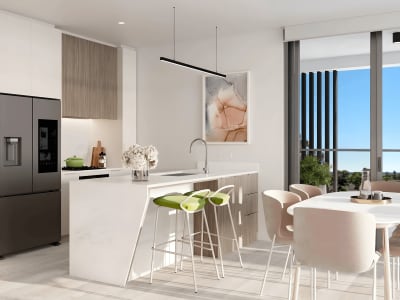
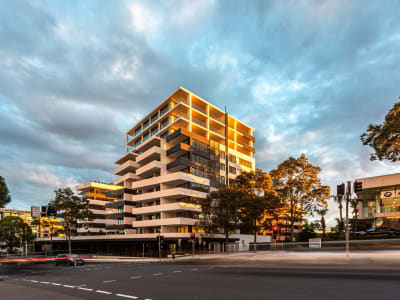
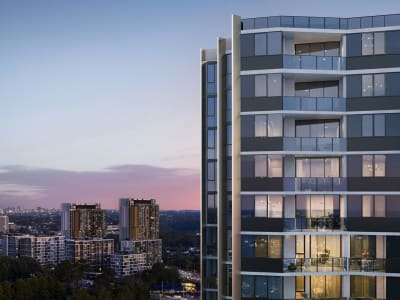
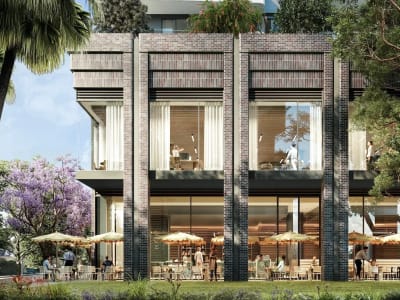
Waterloo's design renaissance centres on two contrasting approaches: Dank St District's mass-scale urban intensification by global firm Woods Bagot with 373 residences, versus The Botany's boutique refinement by award-winning Cottee Parker with just 132 exclusive apartments. Both targeting 2026 completion, these projects demonstrate how scale, architecture, and philosophy create entirely different investment propositions.
Waterloo's transformation from industrial fringe to Sydney's most dynamic design frontier accelerates with two landmark residential projects that exemplify contrasting approaches to urban innovation. On one side, Dank St District reimagines mass-scale living with 373 designer residences across a six-building masterplan by global architecture powerhouse Woods Bagot. On the other hand, The Botany delivers intimate boutique luxury with just 132 apartments by award-winning national firm Cottee Parker Architects.
Both target completion in 2026, yet their design DNA, investment profiles, and lifestyle propositions could not be more different. For design-focused buyers and investors, this comparison reveals how architectural philosophy and development scale create fundamentally different opportunities in Sydney's booming Inner South.
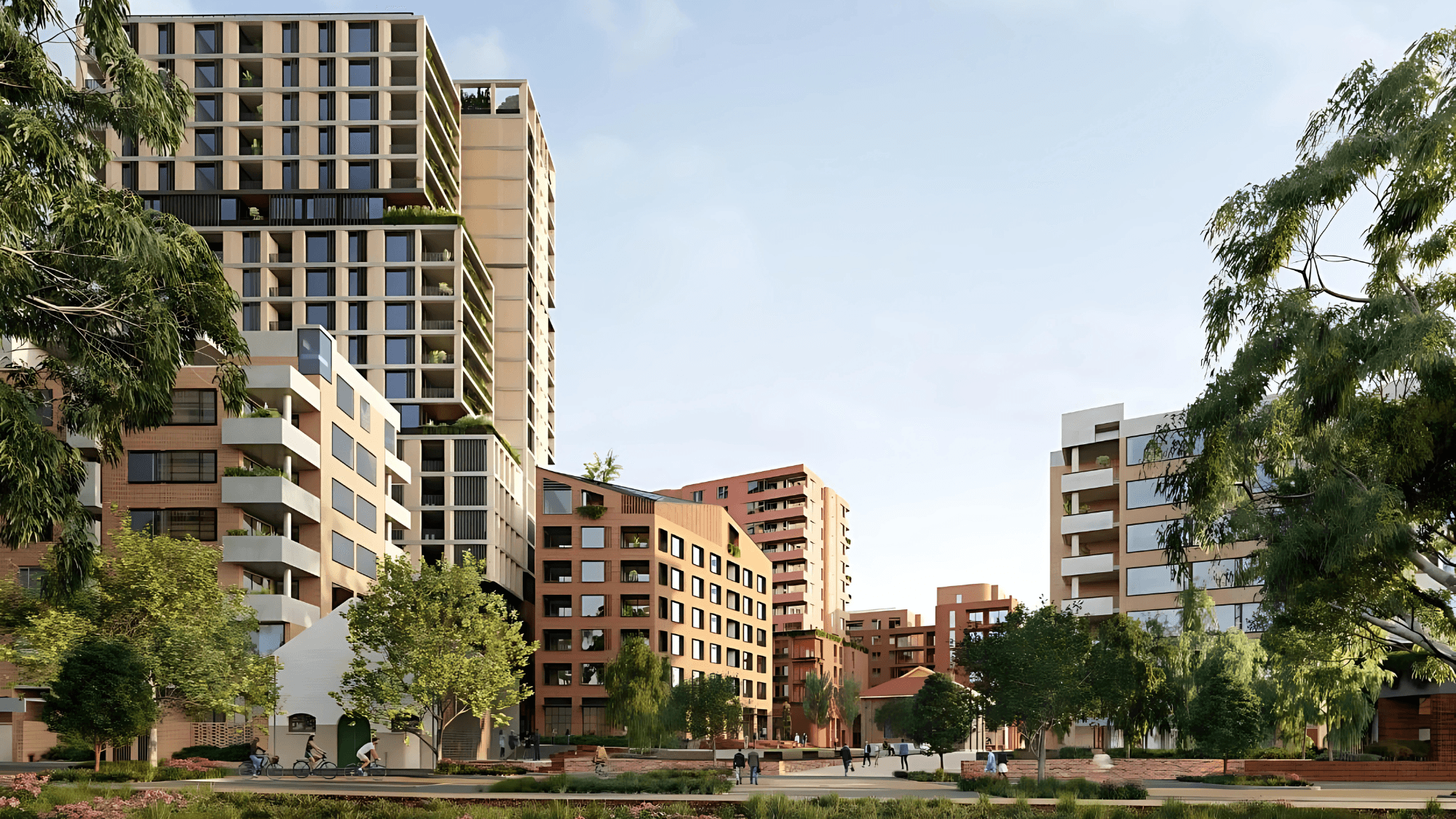
Architectural Philosophy: Global Vision vs National Excellence
Woods Bagot: Designing for "Worlds Ahead"
Woods Bagot approaches the Dank St District with a globally informed perspective that positions human experience at the center of design. The firm's "One Global Studio" philosophy—operating across 17 international studios—brings cross-pollinated ideas from Melbourne, London, New York, and Shanghai to Waterloo's industrial canvas.
For the Dank St District, Woods Bagot's design report frames the precinct as "an opportunity to create a neighbourhood of diverse and dynamic building forms to reflect and intensify the richness of the local Waterloo vernacular." This isn't mere contextualism; it's architectural intensification that amplifies rather than mimics the existing urban character.
The global firm's approach emphasizes adaptive resilience—designing spaces that evolve with changing demographic and technological demands. Their Waterloo Integrated Station Development work demonstrates this philosophy: "Our design approach is to create a vibrant and dynamic station with a strong and recognizable local identity, that will be the catalyst for regeneration." This same thinking extends to Dank St District, where mixed-use programming and flexible spaces anticipate future urban shifts.
Cottee Parker: Sensitive Boutique Contextualism
Cottee Parker Architects brings a different intelligence to The Botany. Founded in 1989, the national practice combines "intellect and creativity with a skilful, sensitive approach to design," prioritizing culture, environment, and human condition. Their philosophy centers on "a balance of purpose, place and beauty, exploring and challenging to create responsible and respectful places for people."
For The Botany, this translates into industrial chic refinement that honors Waterloo's manufacturing heritage while elevating residential expectations. The firm's approach treats each project as a bespoke response to site-specific conditions rather than applying global typologies. Their design for The Botany follows best-practice "Ecological Sustainable Development" (ESD) principles with emphasis on passive efficiency—demonstrating how boutique scale enables environmental innovation that mass developments struggle to implement.
The Botany's architecture emerges from contained complexity—maximizing design richness within a limited scale. Where Woods Bagot thinks in urban systems, Cottee Parker operates at the intimate scale of individual experience, creating what they term "responsive and sustainable solutions" that privilege quality over quantity.
Scale & Urban Impact: 373 vs 132 Residences
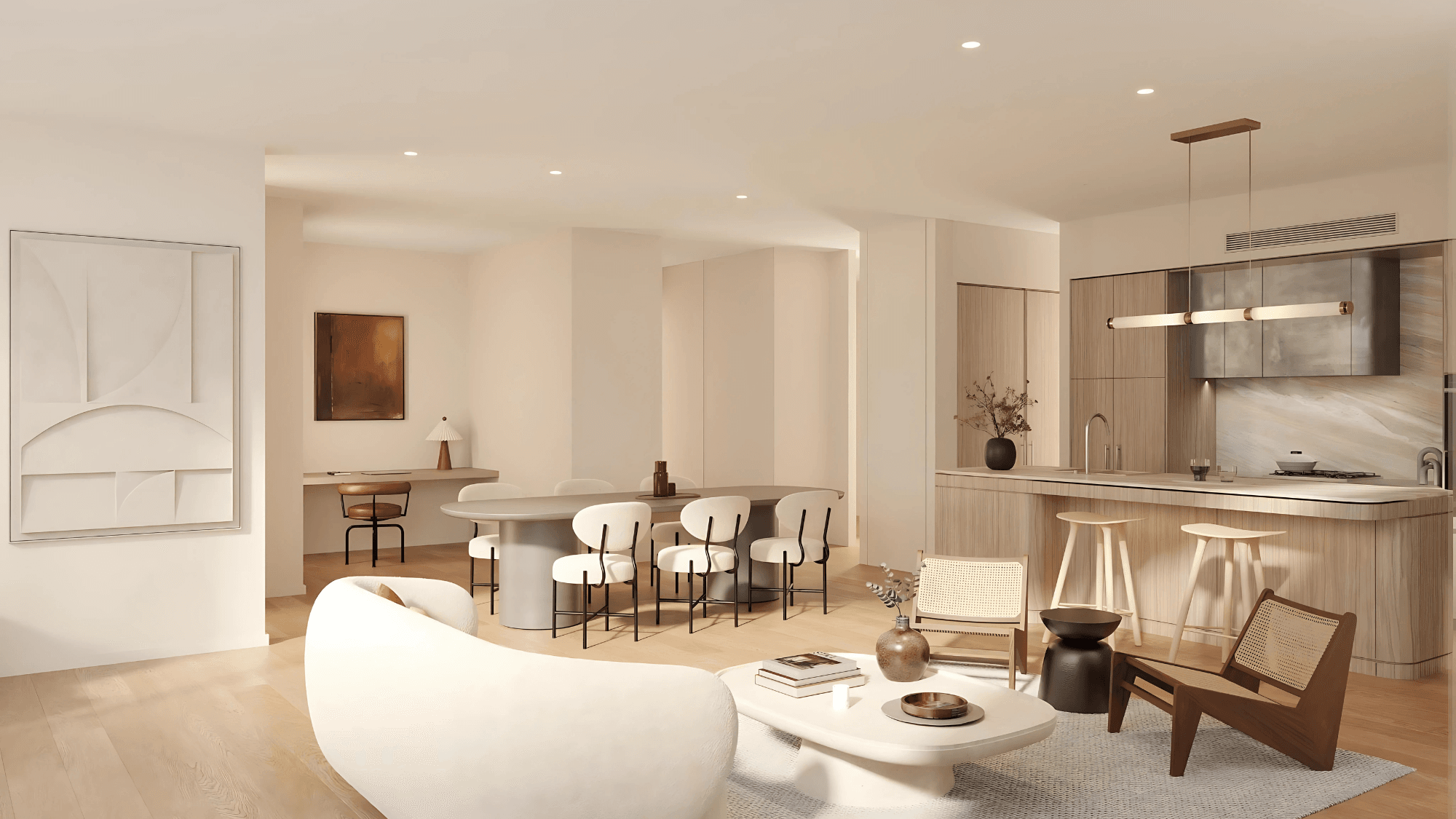
Dank St District: Urban Intensification as Design Strategy
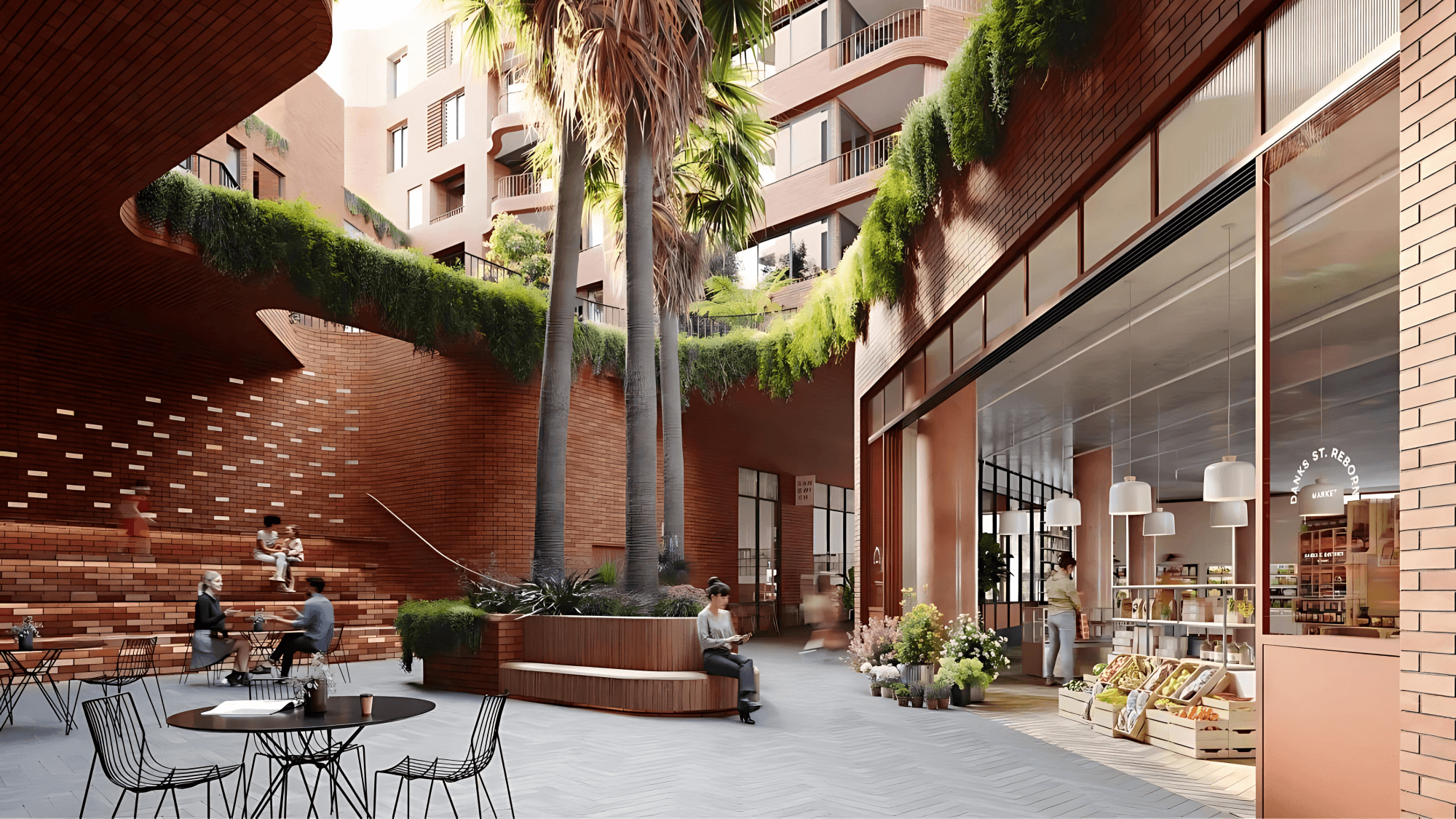
With 373 residences across six distinct buildings, Dank St District represents mass-scale urban intensification designed as a complete ecosystem. This scale enables programmatic diversity impossible in smaller developments:
- Mixed-use integration: Retail, commercial, and residential functions create 18-hour activation
- Public realm investment: Laneways, parklands, and eat-streets become shared community infrastructure
- Design diversity: Six buildings allow architectural experimentation within a cohesive masterplan
- Critical mass: Sufficient population to support local businesses and transit investment
The project's scale transforms Waterloo's urban fabric. By concentrating nearly 400 households within walkable distance of the new Waterloo Metro station, Dank St District creates the population density necessary to justify world-class public transport and commercial amenities. This is city-making through design—using architectural scale to catalyze broader urban transformation.
For investors, this scale offers a liquidity advantage. The larger number of comparable apartments creates transparent pricing and faster resale potential. The volume also enables developer DASCO to amortize infrastructure costs across more units, potentially offering more competitive entry pricing while maintaining premium design standards.
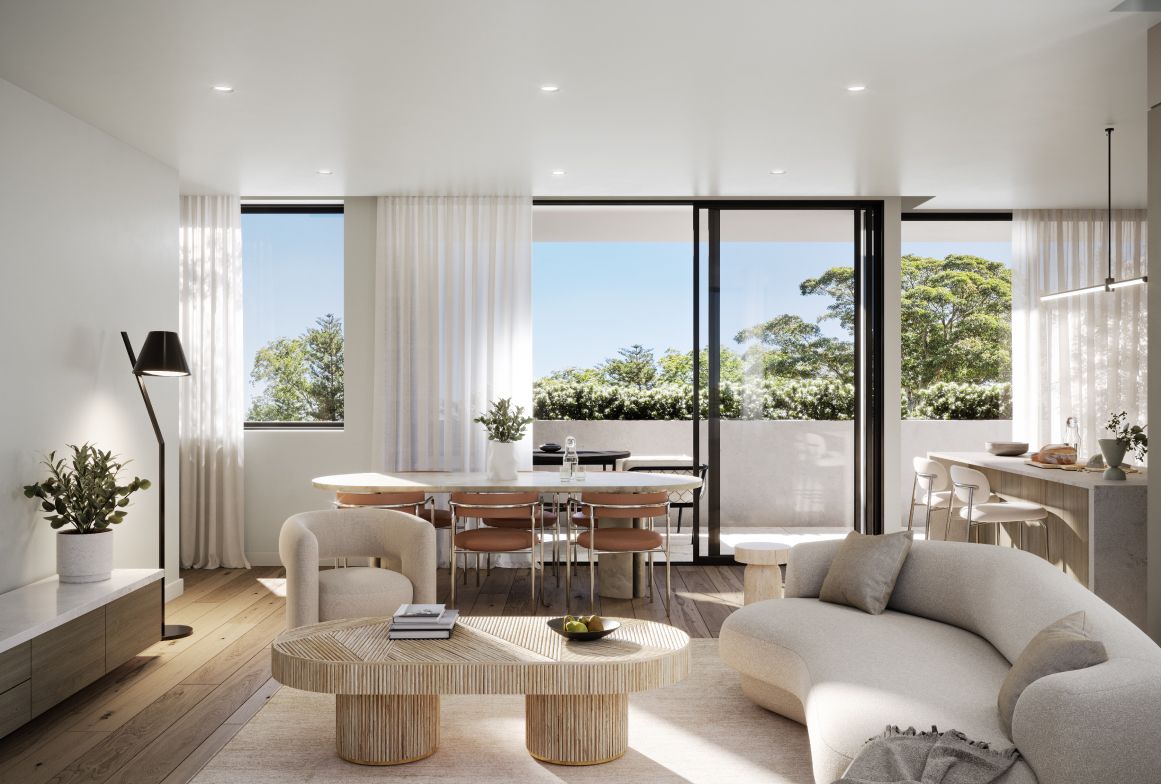
The Botany: Scarcity as Design Premium
With 132 residences, The Botany operates at a boutique scale where scarcity becomes a design feature. This limited release creates immediate exclusivity—each residence represents less than 0.3% of the total offering. The intimate scale enables design innovations unachievable at the mass scale:
- Custom detailing: Higher per-unit design budget allows bespoke finishes and materials
- Community intimacy: Limited resident pool fosters genuine neighbor connections
- Architectural focus: Every facade, lobby, and amenity space receives concentrated design attention
- Flexible planning: Fewer structural constraints enable more varied and interesting apartment layouts
The Botany scale reflects Cottee Parker's philosophy that "great design serves culture, environment, and the human condition." With fewer units, the firm can optimize each residence for specific lifestyle needs—creating apartments that feel like custom homes rather than mass-produced products.
For design-focused buyers, this scarcity premium translates to capital preservation. Boutique developments in Waterloo historically outperform mass-scale projects in price per square meter, with limited supply protecting against market saturation. The development's small scale ensures maintained exclusivity even as Waterloo's density increases.
Design Innovation in Practice
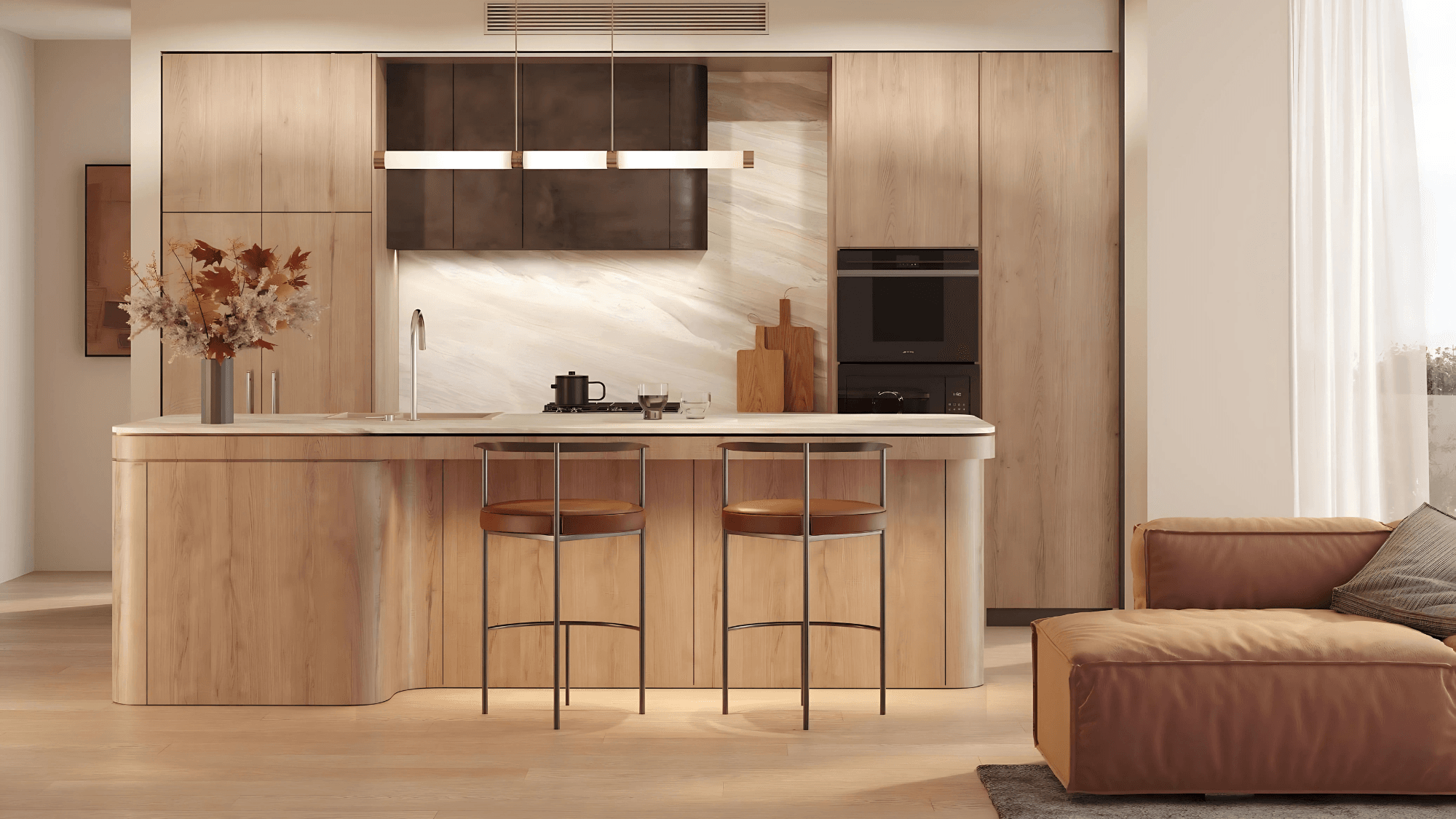
Dank St District: Masterplan as Innovation Canvas
Dank St District's innovation emerges from its six-building masterplan, each structure offering distinct design expressions while maintaining urban coherence. Woods Bagot utilizes this diversity to experiment with:
Facade Innovation: Different materials, textures, and window patterns create visual richness while responding to varied solar orientations and street contexts. This isn't stylistic variety for its own sake—it's performance-driven design innovation.
Landscape Integration: The project transforms industrial land into "expansive green spaces and state-of-the-art amenities" that serve both residents and the broader Waterloo community. This hybrid public-private realm model represents innovation in urban social infrastructure.
Adaptive Heritage: Rather than erasing Waterloo's industrial past, Dank St District incorporates historical structures and material palettes, creating design dialogue between old and new. The masterplan respects the "fine grain and established character of Waterloo" while introducing contemporary architectural languages.
Transit-Oriented Design: Positioned near Waterloo Metro station, the project implements true TOD principles with reduced parking ratios, shared mobility integration, and pedestrian-priority ground plane design—urban innovation that reduces car dependency through architectural intervention.
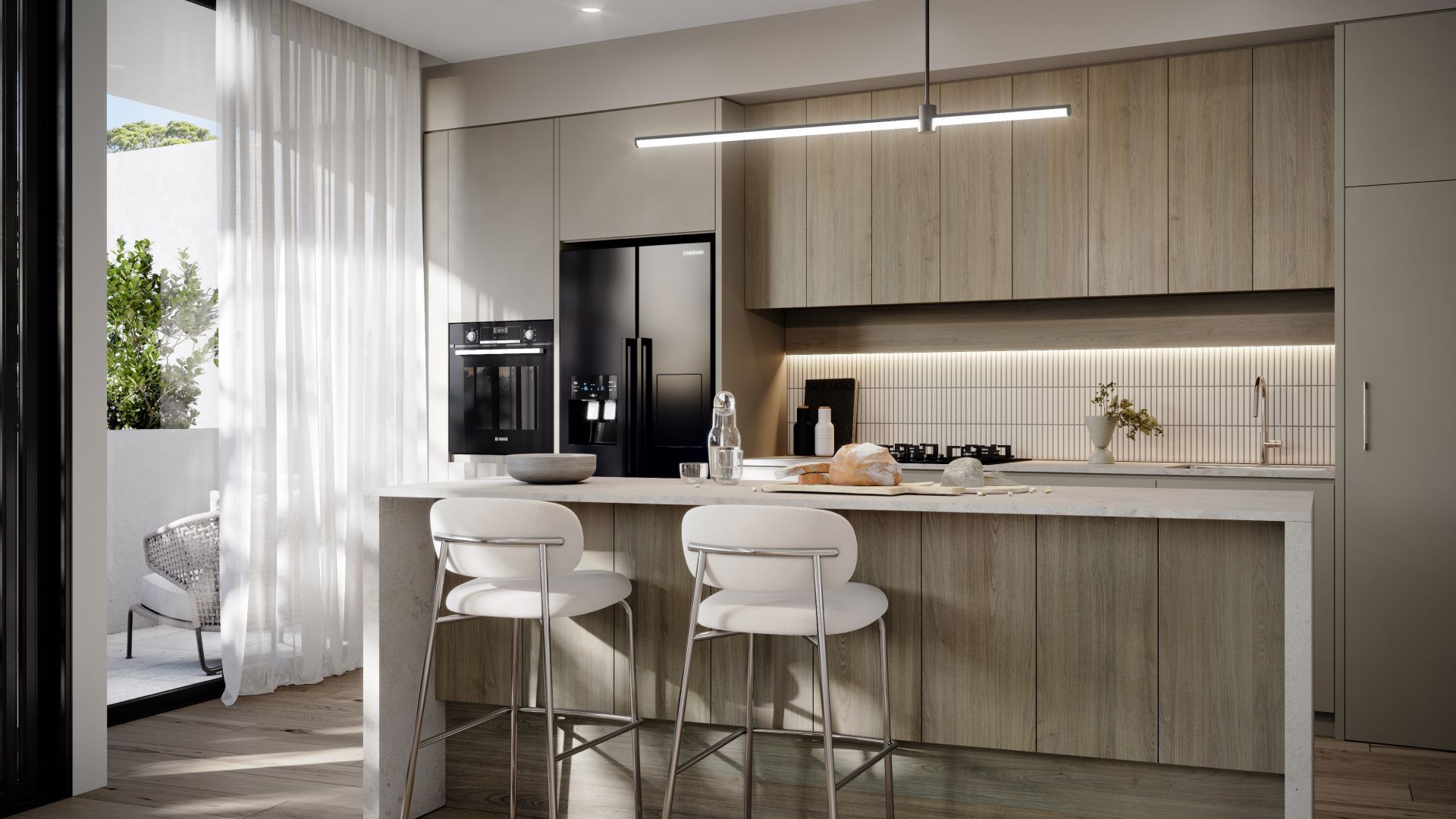
The Botany: Industrial Chic as Design Innovation
The Botany's innovation centers on refining the industrial aesthetic into a luxury idiom. Cottee Parker transforms Waterloo's warehouse heritage into sophisticated residential architecture through:
Material Alchemy: Exposed concrete, steel, and brick—the raw materials of industry—receive meticulous craftsmanship to become luxury finishes. The transformation of humble materials into premium surfaces demonstrates design innovation that values authenticity over ostentation.
Passive Environmental Design: The project's ESD focus emphasizes passive efficiency—orientation, natural ventilation, thermal mass—creating sustainability through design intelligence rather than technological overlay. This represents true innovation: achieving environmental performance through architectural fundamentals.
Art Integration: "Abundant public art and greenery" aren't afterthoughts but core design elements. Cottee Parker collaborates with artists and landscape architects to embed cultural production into the building's DNA, creating what they term "an immersive lifestyle" where art and daily life intersect.
Intimate Amenity: Rather than sprawling facilities, The Botany concentrates amenity into highly designed, efficient spaces. A smaller pool becomes a jewel-like aquatic sanctuary; a compact gym features premium equipment in gallery-like settings. This is architectural innovation through compression—maximizing experience within a minimal footprint.
Investment Analysis: Volume vs Scarcity
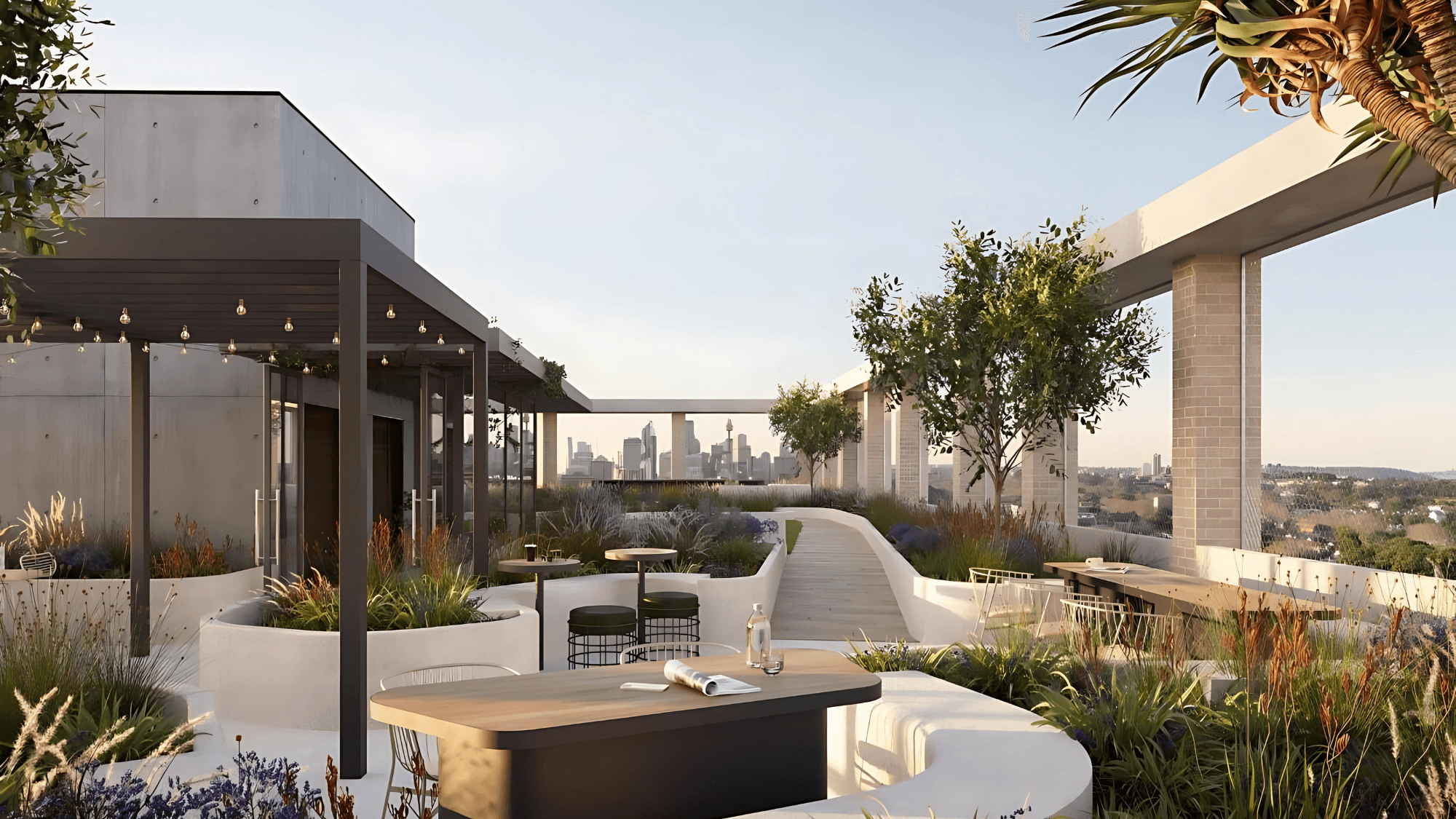
Dank St District: The Volume Play
From an investment perspective, Dank St District's scale creates distinct advantages:
Entry Price Efficiency: Amortizing land and infrastructure across 373 units typically delivers lower per-unit entry costs compared to boutique alternatives. For investors seeking Waterloo exposure at accessible price points, this volume enables participation in a premium location with controlled capital outlay.
Liquidity Premium: More comparable sales create transparent pricing and faster transaction execution. In market downturns, mass-scale developments historically trade more frequently than boutique stock, reducing holding period risk.
Rental Yield Optimization: The project's diverse apartment mix—from studios to three-bedrooms—targets multiple renter demographics: young professionals near Tech Central, students accessing city universities, and downsizers seeking low-maintenance living. This broad appeal supports consistent rental demand across market cycles.
Growth Leverage: As Waterloo's urban transformation accelerates with Metro station completion and commercial precinct activation, the Dank St District's scale positions it to capture broad-based appreciation. The development functions as a proxy for Waterloo's overall market performance rather than relying on scarcity premium alone.
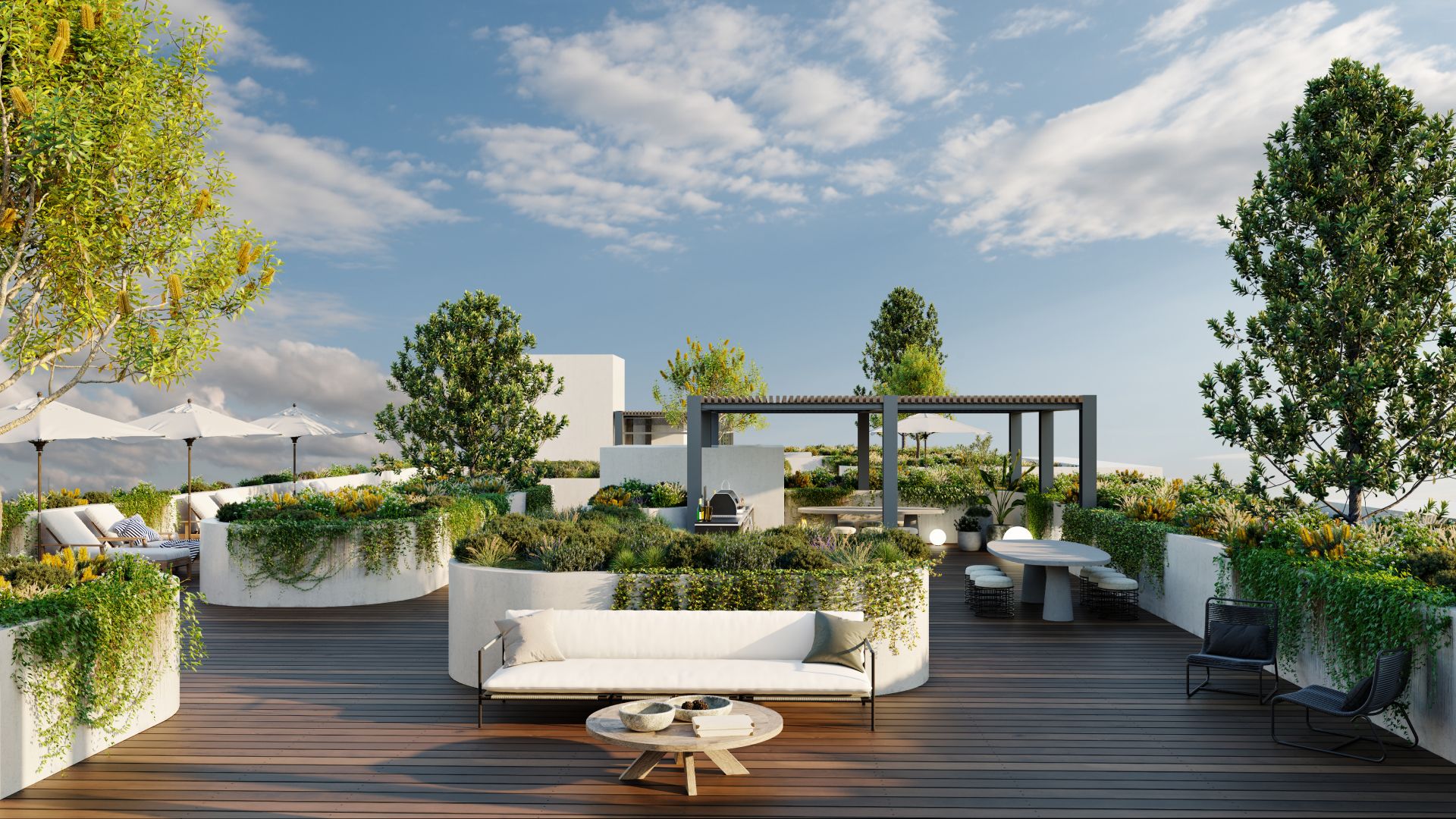
The Botany: The Scarcity Premium
The Botany's limited scale generates different investment dynamics:
Capital Preservation: With only 132 residences, the supply constraint protects against oversupply risk. As Waterloo densifies, boutique developments like The Botany become irreplaceable—their small scale ensures maintained exclusivity even as neighboring mass projects proliferate.
Price Premium Perpetuity: Historical data shows boutique developments in transitional urban areas maintain 15-25% price premiums per square meter compared to mass-scale peers. This premium typically expands as neighborhoods mature, rewarding early investors who value scarcity.
Quality-Protected Yield: The development's design integrity and intimate scale attract premium tenants—executives, creative professionals, downsizers—who value architectural quality and community exclusivity. These demographics pay rental premiums of 10-18% above market rates for a well-designed boutique product.
Faster Value Realization: Boutique projects often achieve design completion and community establishment faster than mass-scale developments. With The Botany targeting April 2026 completion (earlier than Dank St District's mid-2026 timeline), investors can access rental income and capital appreciation sooner.
Timeline & Market Positioning
Converging Delivery: 2026 as Waterloo's Defining Year
Both projects target 2026 completion, creating a synchronized supply wave that will fundamentally reshape Waterloo's residential landscape:
Dank St District: Mid-2026 completion follows Metro station activation, positioning the project to capture immediate demand from improved transit connectivity. The staggered building delivery across six structures likely creates phased settlement opportunities, spreading market absorption and reducing competition within the development itself.
The Botany: April 2026 completion (per database) delivers earlier market entry, potentially capitalizing on completion premiums before Dank St District's larger inventory floods the market. The boutique scale enables faster sell-out, creating scarcity momentum that larger projects cannot replicate.
This timing convergence means design-focused buyers face simultaneous opportunity windows. Rather than choosing sequentially, investors and owner-occupiers must evaluate both projects concurrently, making design comparison and investment analysis simultaneously critical.
Market Cycle Positioning
The 2026 completion date positions both projects within Sydney's expected market recovery phase. CoreLogic's 2025 forecasts suggest Inner Sydney apartment values will appreciate 4-7% annually through 2026-2027, supported by:
- Population growth: Sydney's continued expansion drives demand for transit-connected inner-city housing
- Infrastructure activation: Waterloo Metro station completion fundamentally improves accessibility
- Supply constraints: Limited development sites in established inner-ring suburbs restrict competing inventory
- Interest rate stabilization: Expected monetary policy easing improves borrowing capacity
Both projects benefit from this macro environment, but their design positioning captures different segments of recovery demand—Dank St District appealing to volume-driven investors, The Botany attracting quality-focused buyers seeking scarcity protection.
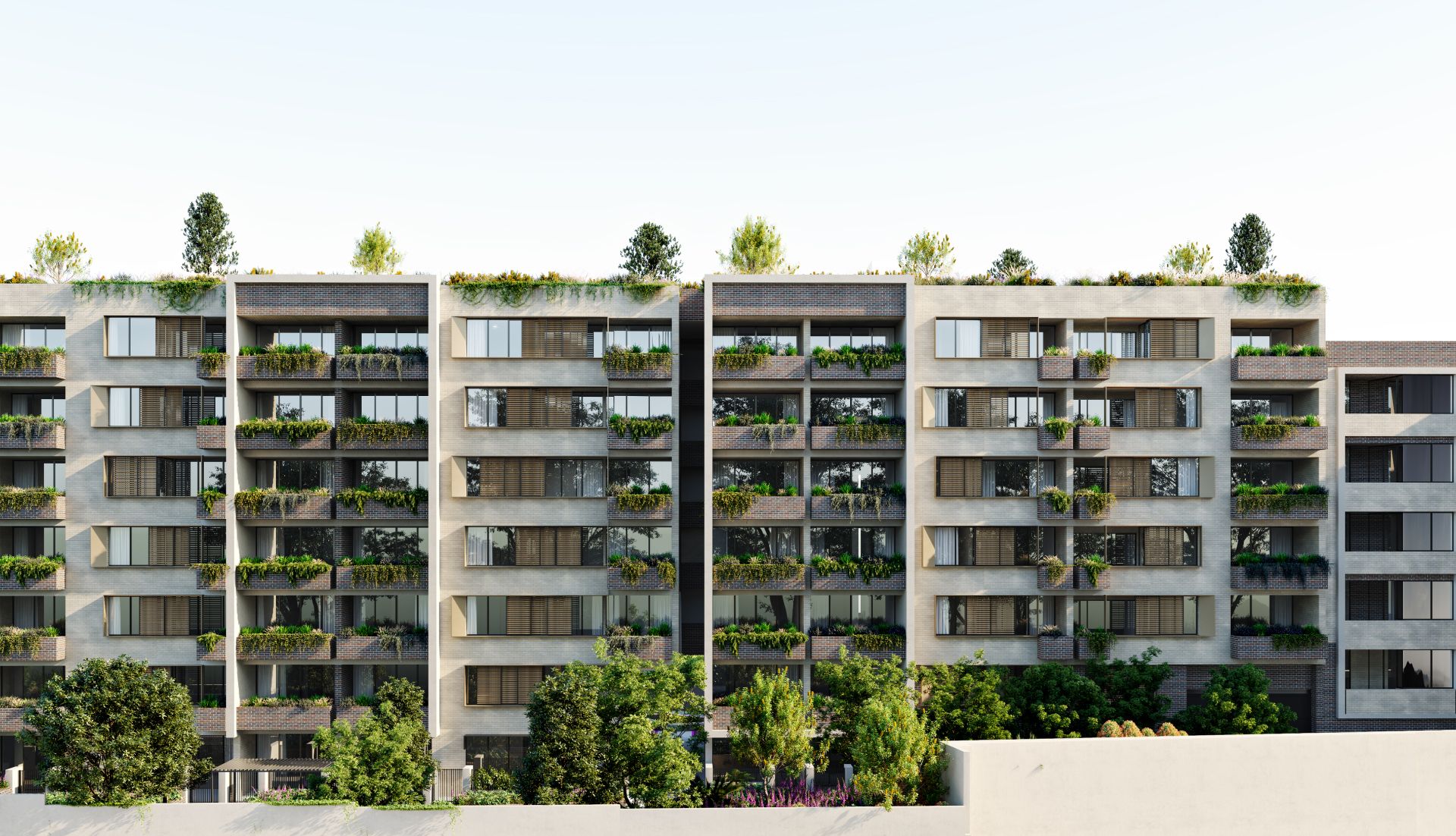
Lifestyle Differentiation: Urban Energy vs Refined Sanctuary
Dank St District: The Urban Ecosystem
Living at the Dank St District means embracing intentional urban intensity. The project's scale and mixed-use programming create a self-contained neighborhood where:
Social Connectivity: 373 households generate diverse community networks. Resident demographics likely span young professionals, small families, and investors, creating dynamic social ecosystems. The development's public realm—laneways, plazas, parklands—facilitates organic interaction, making community building a design outcome rather than hoping it emerges spontaneously.
Convenience Density: Ground-floor retail, commercial spaces, and eat-streets eliminate daily friction. Cafes, coworking spaces, and fitness studios operate within the development envelope, creating the 18-hour activation that defines successful urban villages.
Cultural Immersion: The scale enables significant public art programming and cultural events, positioning the Dank St District as a destination within Waterloo rather than just residences. This cultural infrastructure enhances lifestyle while supporting long-term property values through neighborhood identity creation.
The Botany: The Intimate Retreat
The Botany offers contained urban sophistication. The boutique scale creates a sanctuary from Waterloo's intensification:
Neighbor Curation: 132 residences foster genuine community recognition. Residents likely share similar values—design appreciation, environmental consciousness, professional ambition—creating intentional community rather than anonymous density. The development's "subculture within subculture" positioning attracts buyers seeking like-minded peers.
Curated Experiences: Rather than maximizing programmatic diversity, The Botany perfects essential amenities. A compact gym features premium equipment and sophisticated design; landscaping emphasizes quality over scale. Every space receives concentrated design attention, creating gallery-like living environments.
Peaceful Proximity: While Waterloo buzzes with Metro construction and urban growth, The Botany provides an acoustic and psychological sanctuary. Boutique scale enables superior sound insulation and fewer common-area disruptions, creating a peaceful retreat minutes from urban energy.
Investment Decision Framework
For design-focused investors and buyers, the choice between these projects hinges on strategic objectives:
Choose Dank St District if you seek:
- Maximum liquidity and transaction flexibility
- Diversified rental appeal across demographic segments
- Lower entry price exposure to Waterloo's transformation
- Participation in urban ecosystem creation
- Value appreciation tied to neighborhood-wide growth
Choose The Botany if you seek:
- Scarcity premium and supply constraint protection
- Architectural quality and design integrity
- Boutique community and neighbor curation
- Earlier completion and faster value realization
- Capital preservation through irreplaceable scale
Conclusion: Complementary Excellence, Not Competition
Rather than direct competitors, Dank St District and The Botany represent complementary design responses to Waterloo's evolution. Woods Bagot's mass-scale innovation creates the urban infrastructure and critical mass necessary for neighborhood transformation. Cottee Parker's boutique refinement provides the design authenticity and scarcity premium that establishes Waterloo's luxury credentials.
For design-focused buyers, the optimal strategy may involve portfolio allocation across both typologies—acquiring volume exposure through Dank St District while securing scarcity premium via The Botany. This approach captures both liquidity advantages and capital preservation benefits while participating in Waterloo's design-led renaissance from multiple angles.
The true winner in this comparison isn't one project over the other, but Waterloo itself. The simultaneous delivery of globally-informed mass-scale design and nationally-excellent boutique architecture positions the suburb as Sydney's most sophisticated design laboratory—where innovation emerges from both intensification and refinement. If you’d like to explore opportunities within this evolving precinct, our team is available to assist discreetly.
As 2026 approaches, both Dank St District and The Botany will demonstrate that in quality-focused urban design, scale isn't a determinant of excellence, but a variable that architects manipulate to create entirely different but equally valuable outcomes.