Gone are the days of cramped, inflexible family apartments. Today's designs prioritize flexibility, longevity, and functionality to support families through every life stage. From adaptable rooms to multi-use living spaces, see how apartment living is redefining itself for long-term family accommodation.
For decades, "family home" meant a detached house with a backyard on a quiet suburban street. Apartments were for singles, couples, and investors—temporary accommodation before the "real" family home. That narrative has fundamentally changed.
In 2026, families are increasingly choosing apartments as long-term homes, not stepping stones. With Sydney's median house price exceeding $1.6 million, the financial logic is compelling. But money only explains part of the shift. The real story is design evolution, apartments are now being purpose-built for family life, with flexibility, longevity, and functionality as core principles rather than afterthoughts.
Today's family apartments don't ask buyers to compromise on space, adaptability, or quality of life. Instead, they reimagine how families live, work, and grow together within vertical communities. The results are spaces that often function better than traditional houses, offering genuine solutions to modern family challenges.
For families and upsizers evaluating their options, understanding these design innovations is critical. The gap between old-generation apartments and new family-focused designs is vast, and growing wider.
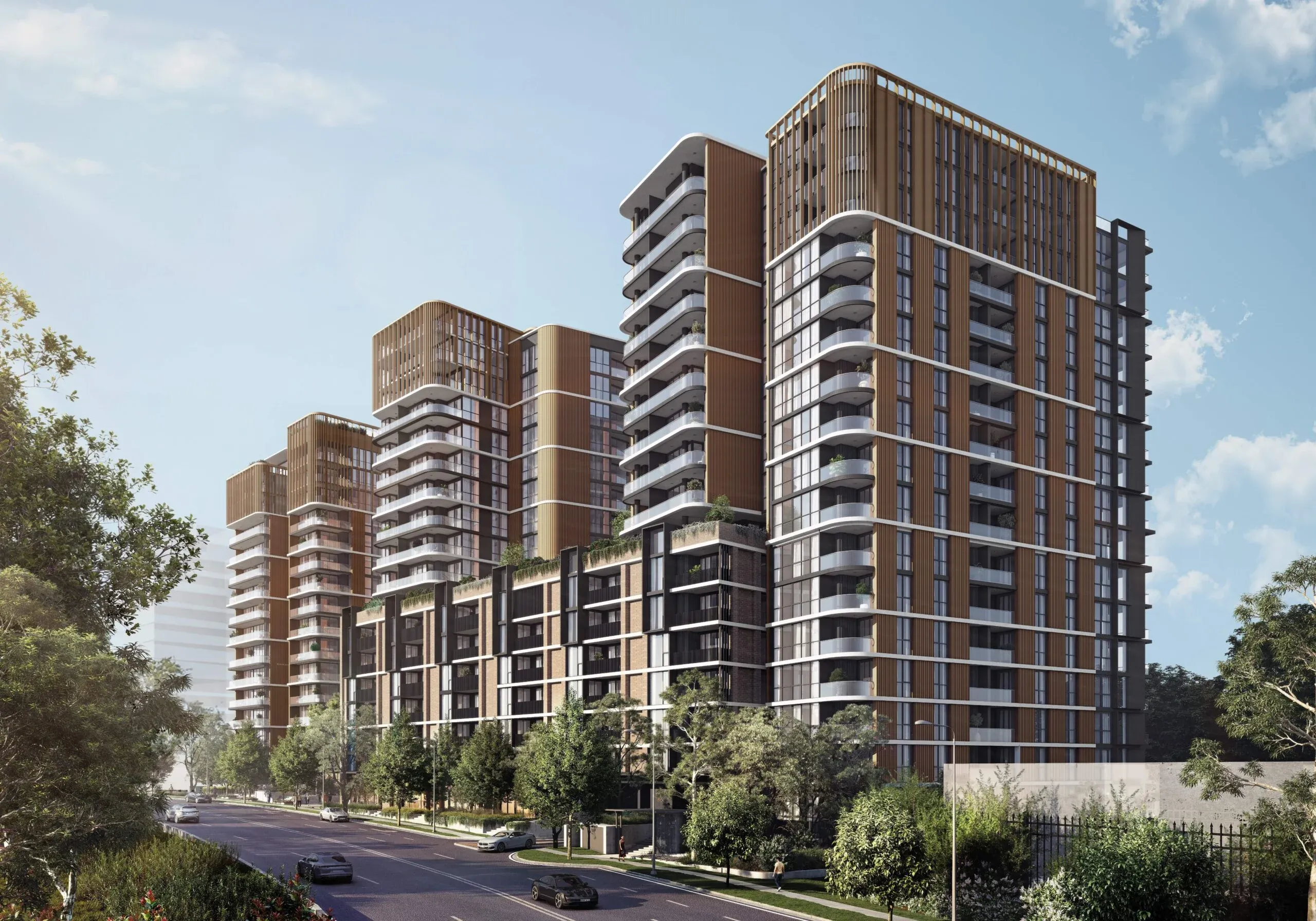
The Design Revolution: Why Apartments Are Viable for Long-Term Family Living
Shifting Demographics: The New Family Apartment Buyer
The family apartment buyer in 2026 looks different from even five years ago. They're not just first-home buyers priced out of houses; they're often second or third-home buyers actively choosing apartment living for lifestyle benefits.
Key Demographic Shifts:
- Established families: Households with children aged 5-15, trading suburban houses for urban convenience
- Multi-generational families: Adult children living with parents longer, creating a need for flexible accommodation
- Work-from-home parents: Requiring dedicated spaces for both work and family life
- Lifestyle upsizers: Seeking low-maintenance living without sacrificing space or quality
These buyers bring expectations shaped by house living. They want storage, flexible rooms, outdoor space, and the ability to adapt their home as children grow and needs change.
Developers who understand this are creating genuinely competitive alternatives to detached housing.
Financial Logic: The Value Equation Has Changed
The financial case for family apartments has become undeniable. Consider the numbers for a
typical Sydney family:
House vs. Apartment Comparison (Upper North Shore):
- 4-bedroom house: $2.8M purchase + $25K annual upkeep
- 3-bedroom premium apartment: $1.9M purchase + $8K annual strata
- Capital freed: $900,000 for investment, education, lifestyle
- Time saved: 8-10 hours weekly on maintenance, gardening, and cleaning
But the equation only works if the apartment genuinely meets family needs. A cramped, poorly designed space with no storage and fixed layouts doesn't solve the problem; it creates new ones. Hence the design revolution.
Urban Infrastructure Maturity: The Foundation for Family Living
Sydney's urban precincts have matured to support family life in ways that simply didn't exist a decade ago. The transformation of areas like St Leonards, Green Square, and Parramatta means families can now access:
- Quality schools (public and private) within walkable catchments
- Parks and green spaces are designed for active family use
- Healthcare facilities, including pediatric and family medical centers
- Community services like libraries, pools, and recreation centers
- Transport infrastructure reducing car dependency for school and activity runs
This infrastructure maturity means apartment living no longer requires compromise on family essentials. The pieces are in place for genuine long-term family accommodation.
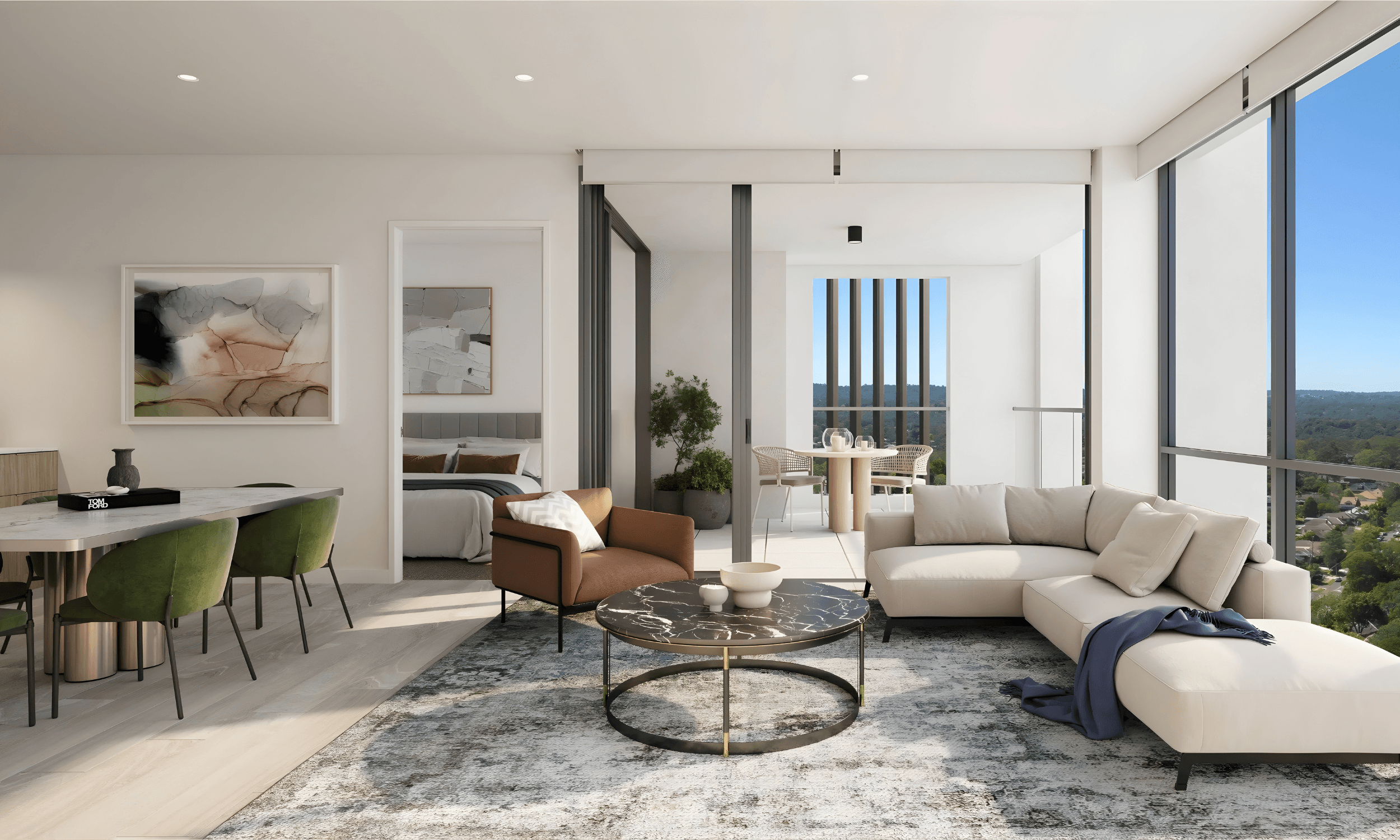
Flexibility: The Cornerstone of Modern Family Apartment Design
Adaptable Room Configurations: Growing With Your Family
Flexibility begins with a room design that serves multiple purposes across different life stages. Gone are fixed, single-purpose rooms that become obsolete as children grow.
Common Adaptable Configurations:
- Bedroom-to-study conversion: Rooms designed to function as both, with built-in desks that fold away or convert to storage
- Generational suites: Larger bedrooms with ensuite bathrooms that can accommodate adult children or elderly parents
- Nursery-to-teen-room evolution: Spaces with infrastructure for changing needs (wardrobe systems, study zones, tech connectivity)
- Multi-purpose living areas: Open-plan spaces with defined zones that can be reconfigured as family dynamics change
The key is designing for transitions. A room that works for a toddler, a primary school child, a teenager, and eventually an adult child living at home provides 20+ years of functionality. This adaptability adds measurable value—buyers will pay 10-15% premiums for demonstrably flexible floor plans.
Movable Walls and Sliding Partitions: Space on Demand
Physical flexibility has become a hallmark of premium family apartment design. Movable walls and sliding partitions allow families to adapt spaces daily, weekly, or as life circumstances change.
Innovative Solutions:
- Operable walls between living areas and studies, creating open space or privacy as needed
- Sliding bookshelf partitions that divide rooms while maintaining storage
- Pocket doors that disappear into walls, creating true open-plan or closed-room options
- Folding wall systems that can create temporary guest rooms or private zones
These systems require sophisticated engineering and quality materials to ensure acoustic performance and durability. When done well, they transform apartment functionality, effectively increasing usable space by 25-30% through intelligent reconfiguration.
For families, this means a 120sqm apartment can function like a 150sqm space, with rooms that expand and contract based on daily needs.
Multi-Generational Accommodation: Planning for Extended Family
Multi-generational living has become increasingly common, with adult children living at home into their late 20s and elderly parents moving in for care. Modern family apartments are designed for this reality from the outset.
Multi-Generational Features:
- Dual master suites: Two bedrooms with en-suites on separate levels or wings
- Secondary kitchenettes: Small prep areas supporting independent living
- Separate entrances: Private access points for different family units
- Sound separation: Enhanced acoustic treatment between zones
- Accessibility provisions: Wider doorways, no-step entries, reinforced bathroom walls for future grab rails
This forward-thinking design extends the useful life of apartments from 5-7 years to 20+ years, supporting families through multiple life stages without requiring relocation.
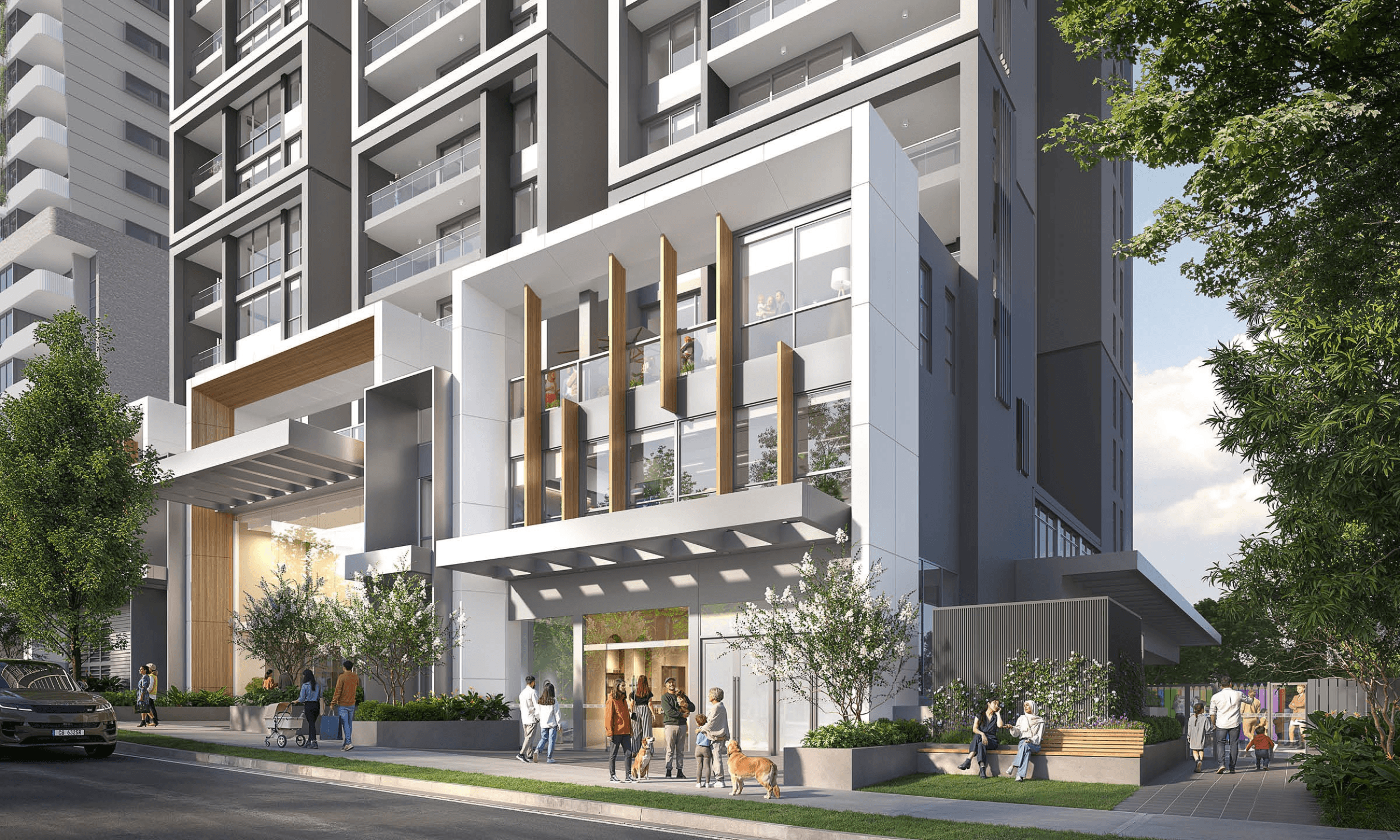
Longevity: Designing for 20+ Years, Not 5
Material Selection: Durability Over Fashion
Long-term family living demands materials that withstand heavy use while aging gracefully. Developers are shifting from trendy finishes to timeless, durable materials that look better after a decade than they did at completion.
Family-Proof Material Innovations:
- Engineered stone benchtops: Non-porous, scratch-resistant, low-maintenance
- Commercial-grade timber flooring: Thicker wear layers that can be sanded multiple times
- Porcelain slab finishes: Large-format tiles that mimic stone but resist staining and cracking
- Metal fixtures: Solid brass or stainless steel instead of plated alternatives
- Washable wall finishes: Matte paints and textured surfaces that hide marks and can be cleaned repeatedly
The emphasis is on materials that develop character with age rather than showing wear. A timber floor that gains a patina, a stone benchtop that subtly changes tone—these become features, not defects.
Storage Solutions: The Make-or-Break Factor
Storage has emerged as the single most important factor in family apartment satisfaction. Poor storage creates clutter, stress, and the feeling of being "stuffed in." Generous, well-designed storage transforms apartment functionality.
Essential Storage Innovations:
- Full-height cabinetry maximizing vertical space in kitchens and living areas
- Walk-in pantries (yes, in apartments) with proper shelving and appliance storage
- Bedroom wall-to-wall wardrobes with customizable internal systems
- Bathroom vanity storage with drawers, not just doors, for better organization
- Linen closets with dedicated shelving, not just "space for shelves."
- Kids' storage zones: Low-height accessible storage that teaches organization
- Bulk purchase storage: Space for cost-saving bulk groceries and household items
- Seasonal item storage: For sports equipment, holiday decorations, luggage
The benchmark is 15-20% of total floor area dedicated to storage. Below this threshold, families report frustration and space inefficiency. Above it, satisfaction increases dramatically.
Outdoor Space: Quality Over Quantity
Families won't sacrifice outdoor access, but the definition has evolved. A large balcony isn't enough; it needs to be usable, safe, and integrated with indoor living.
Family-Friendly Outdoor Design:
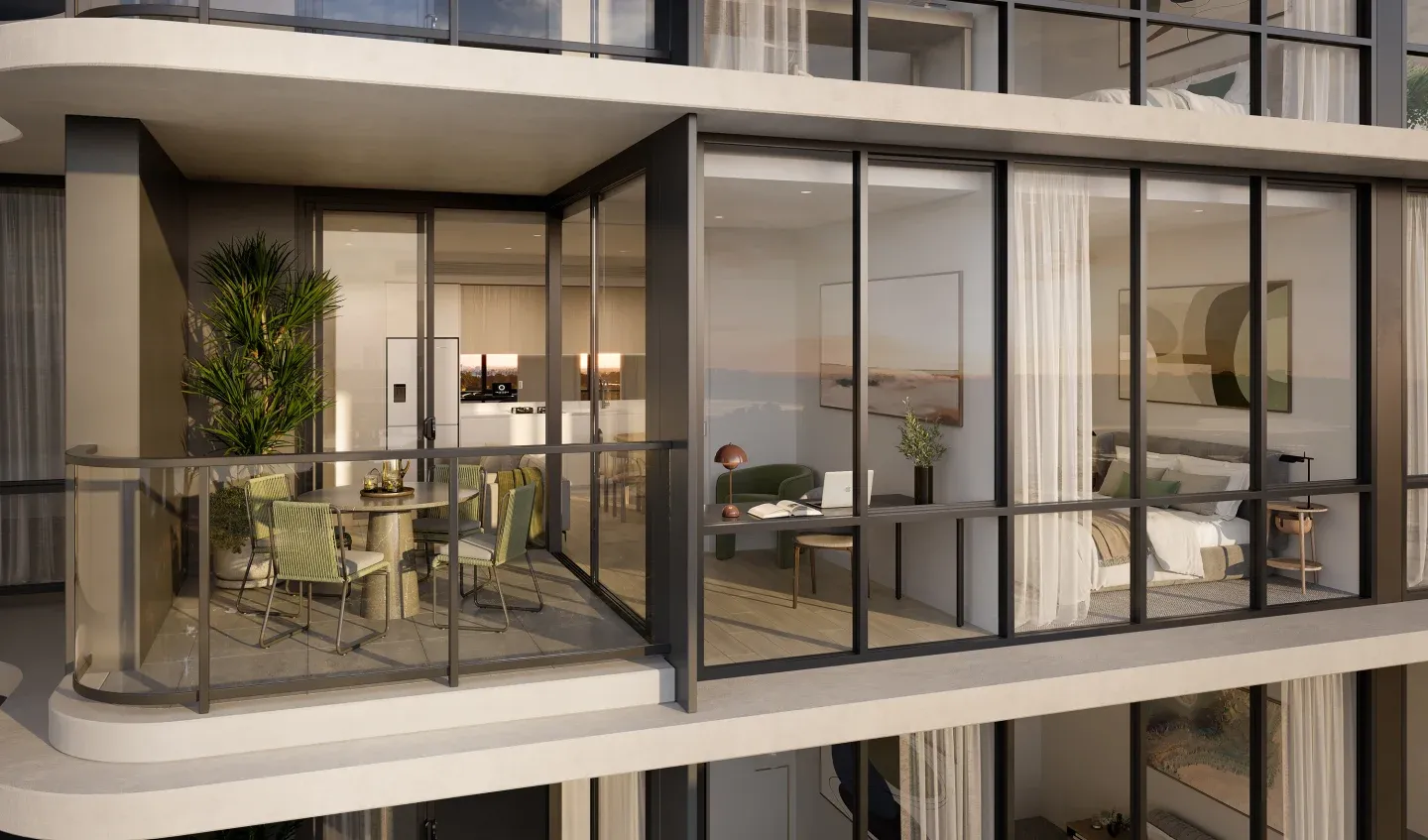
- Enclosed balconies with safety barriers for young children
- Weather protection: Louvre systems or operable roofs for year-round use
- Direct indoor access: Seamless flow from living areas, not isolated spaces
- Practical surfaces: Non-slip, easy-clean materials, not delicate tiles
- Vertical gardens: Food growing opportunities and nature connection
- Storage integration: Space for outdoor toys, bikes, and furniture
- Power and lighting: Making balconies functional extensions of living space
Rooftop common areas are being reimagined as family spaces, not just adult entertainment zones. Play equipment, safe surfaces, barbecue facilities, and shaded seating create genuine outdoor living alternatives to private backyards.
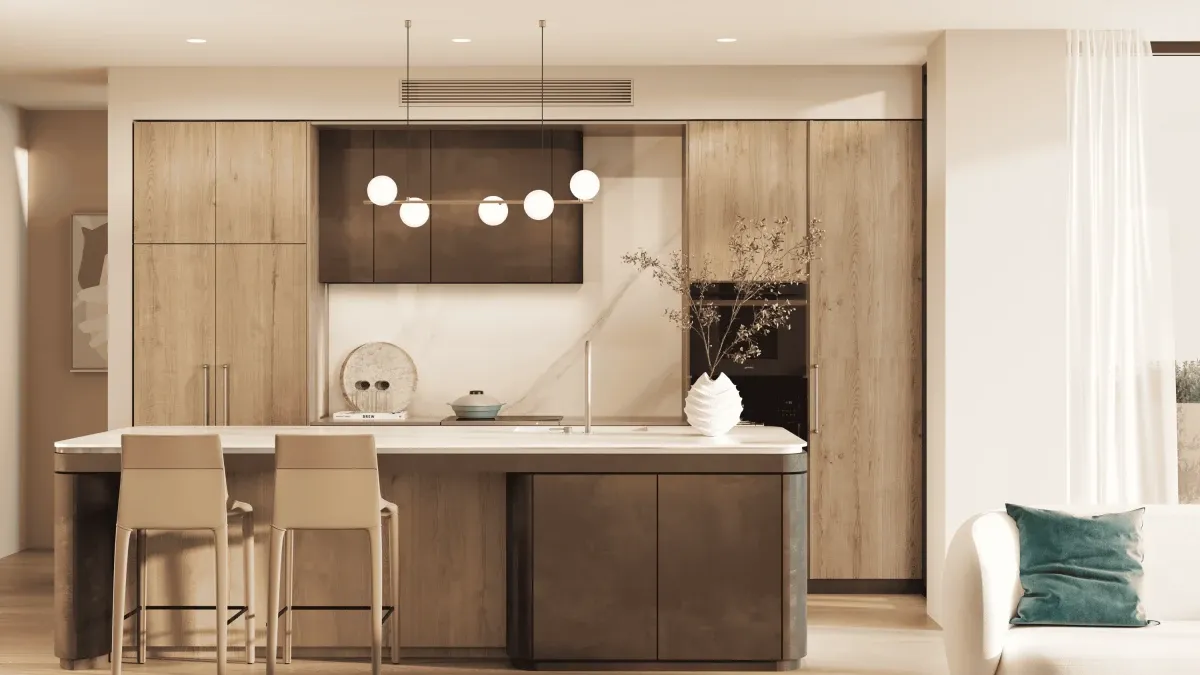
Functionality: Making Every Square Meter Work
Kitchen Design as Family Command Center
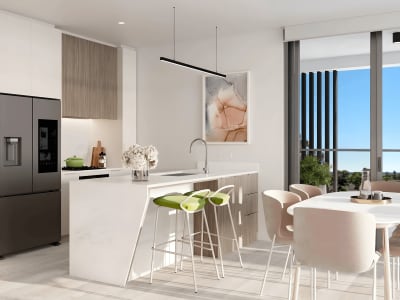
The kitchen has evolved from a cooking space to a family command center. Modern family apartment kitchens accommodate multiple cooks, homework sessions, family meetings, and social entertaining—often simultaneously.
Family-Functional Kitchen Features:
- Multiple work zones: Separate prep, cooking, and cleaning areas, allowing family members to work together
- Island benches with seating on two sides, one for meal prep, one for homework/socializing
- Appliance garages keep countertops clear while maintaining access
- Double sinks or sink-plus-prep-bowl configurations for simultaneous use
- Dishwasher drawers allowing small loads and reduced water usage
- Soft-close everything, reducing noise and finger-trap risks
- Task and ambient lighting supporting different activities at different times
- Tech integration: Charging stations, hidden outlets, space for laptops and tablets
The kitchen must function for rushed weekday breakfasts, elaborate weekend cooking projects, after-school snack time, and adult dinner parties, often within the same space.
Bathroom Efficiency: Serving Multiple Users Simultaneously
Family bathroom bottlenecks create daily stress. Modern designs solve this through the separation of functions, allowing multiple family members to use bathroom facilities simultaneously.
Family Bathroom Innovations:
- Separate toilet compartments allowing toilet use while the shower is occupied
- Twin basins in main bathrooms (not just en-suites) for simultaneous morning routines
- Storage towers between basins provide individual storage zones
- Heat lamps and exhaust fans prevent fogging and ensure comfort
- Non-slip surfaces and good lighting for safety across all ages
- Handheld showerheads make child bathing and cleaning easier
- Built-in step solutions for young children with a removable design for future flexibility
The goal is to eliminate morning queues and evening conflicts, practical functionality that reduces family stress and improves daily quality of life.
Laundry Integration: No More Afterthoughts
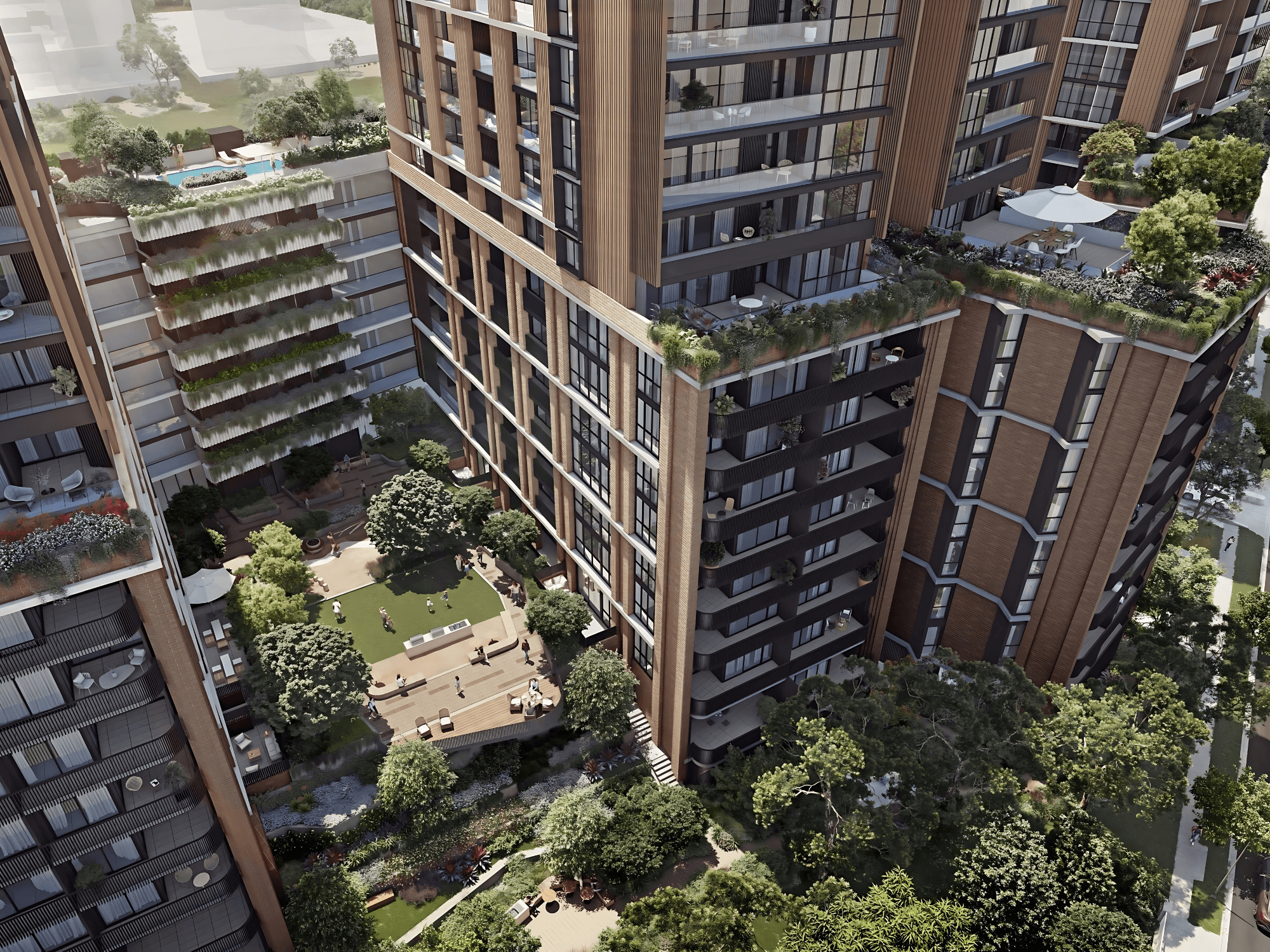
Laundries in traditional apartments were cramped, dark spaces hidden away. Family-focused designs treat laundry as the functional heart of the home, with proper space, ventilation, and storage.
Proper Family Laundry Design:
- Minimum 4sqm space allowing room to move, sort, and fold
- Bench space for folding and sorting, not just appliance placement
- Sink for hand-washing and stain treatment
- Drying solutions: Retractable lines or cupboard space for drying rack storage
- Storage for supplies: Bulk detergent, cleaning products, linen overflow
- Ventilation: Proper exhaust fans and ideally natural light/windows
- Noise management: Acoustic treatment to prevent laundry noise from disturbing living areas
Some innovative designs integrate laundry with kitchen or bathroom zones, using quality joinery to conceal appliances while maintaining functionality, a space-saving solution that doesn't compromise on utility.
Technology Integration: The Smart Family Home
Connectivity Infrastructure: The New Plumbing
Technology has become as essential as water and electricity. Family apartments require robust infrastructure that supports current needs and adapts to future technological evolution.
Essential Tech Infrastructure:
- NBN ultra-fast or fiber-to-the-premise as standard, not upgrade
- Multiple Ethernet points in every room, not just living areas
- USB charging outlets integrated into power points throughout
- Smart home pre-wiring: Conduit systems for future tech additions
- Amplified mobile reception: In-building systems ensure coverage everywhere
- Security camera readiness: Wiring for external and internal monitoring
- Whole-home Wi-Fi: Ceiling-mounted access points eliminate dead zones
The key is infrastructure that allows technology to evolve without requiring destructive renovations. Conduit systems and centralized cabinet space mean new standards can be accommodated as they emerge.
Smart Home Applications: Practical Family Benefits
Smart home technology has moved beyond gimmicks to deliver genuine family functionality, safety, efficiency, and convenience that improve daily life.
Family-Valued Smart Features:
- Digital concierge: Package management, visitor access, booking amenities
- Automated climate control: Zoned heating/cooling, reducing energy costs
- Leak detection systems: Preventing water damage, especially important in multi-level buildings
- Keyless entry: Never locked out, temporary codes for visitors or cleaners
- Automated blinds and lighting: Safety, security, and energy efficiency
- Intercom systems: Visual door entry and building communication
- EV charging management: Load sharing and billing for electric vehicles
The value is in integration, systems that work together through a single interface, managed via smartphone apps that give parents control and visibility regardless of location.
Featured Projects: Family-Focused Excellence
Cielo: Raising the Family Apartment Bar
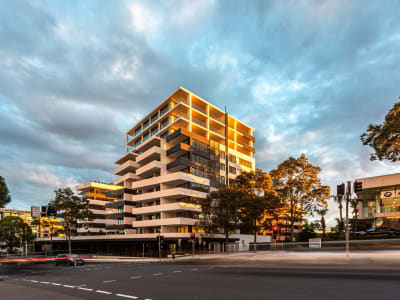
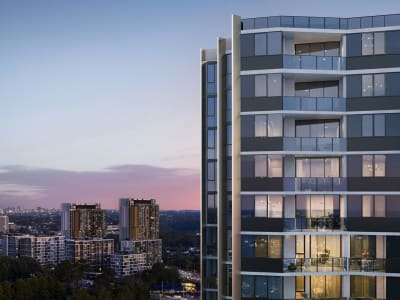
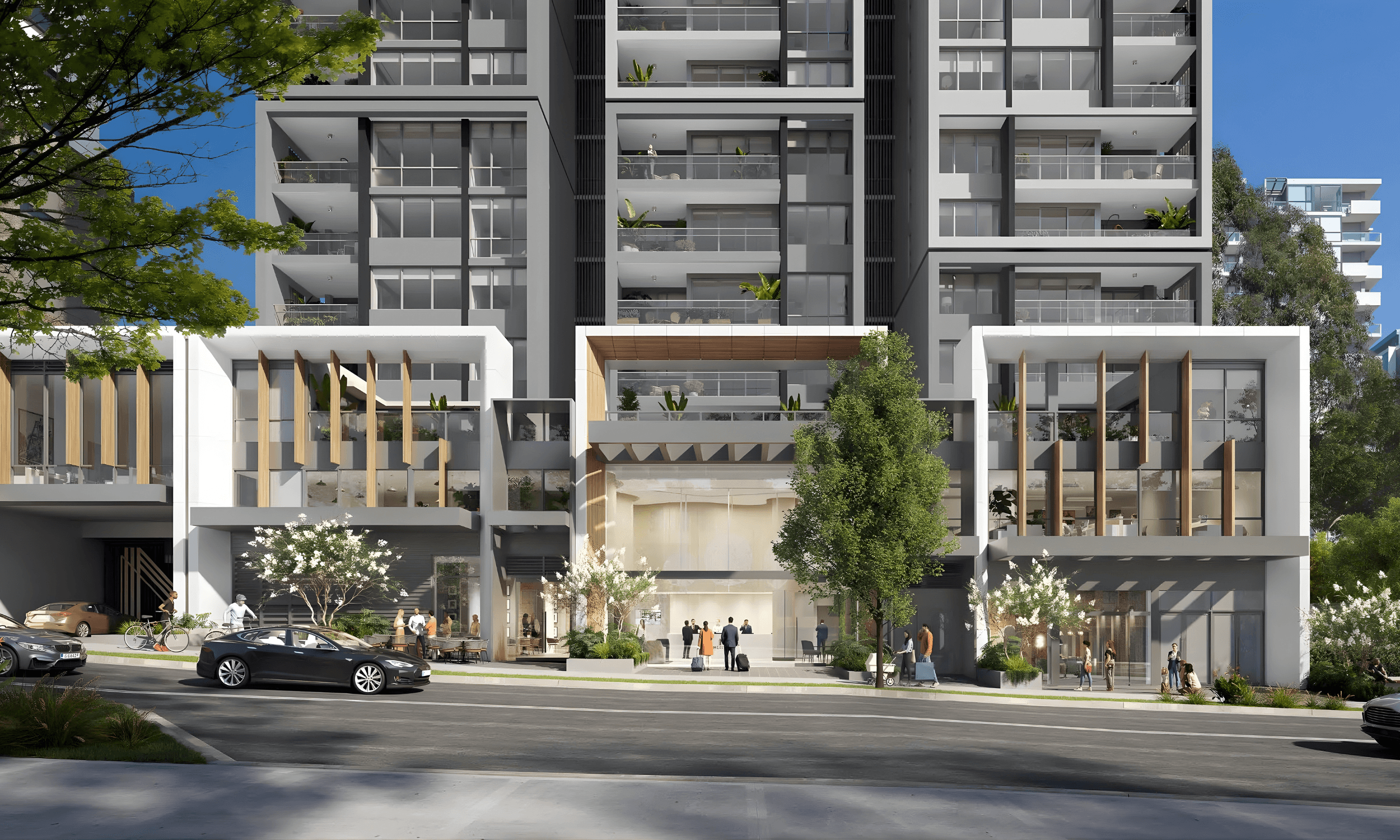
Cielo represents the next generation of family apartment design, developments conceived from the ground up for long-term family occupancy rather than adapted from generic templates.
Flexibility Innovations: Cielo-type developments typically feature:
- 3-bedroom + study configurations allowing work-from-home without sacrificing bedrooms
- Movable partition walls between the living and study zones
- Dual master bedroom potential: Two bedrooms with en-suites supporting multi-generational living
- Convertible storage: Linen closets plumbed for future second laundry if needed
Longevity Features: Premium family apartments like Cielo prioritize:
- 25-year material warranties on flooring, benchtops, and fixtures
- Commercial-grade finishes in high-traffic areas
- Full-height stonework in kitchens versus delicate splashbacks
- Engineered timber floors with 6mm wear layers that can be refinished 5+ times
 Functionality Solutions:
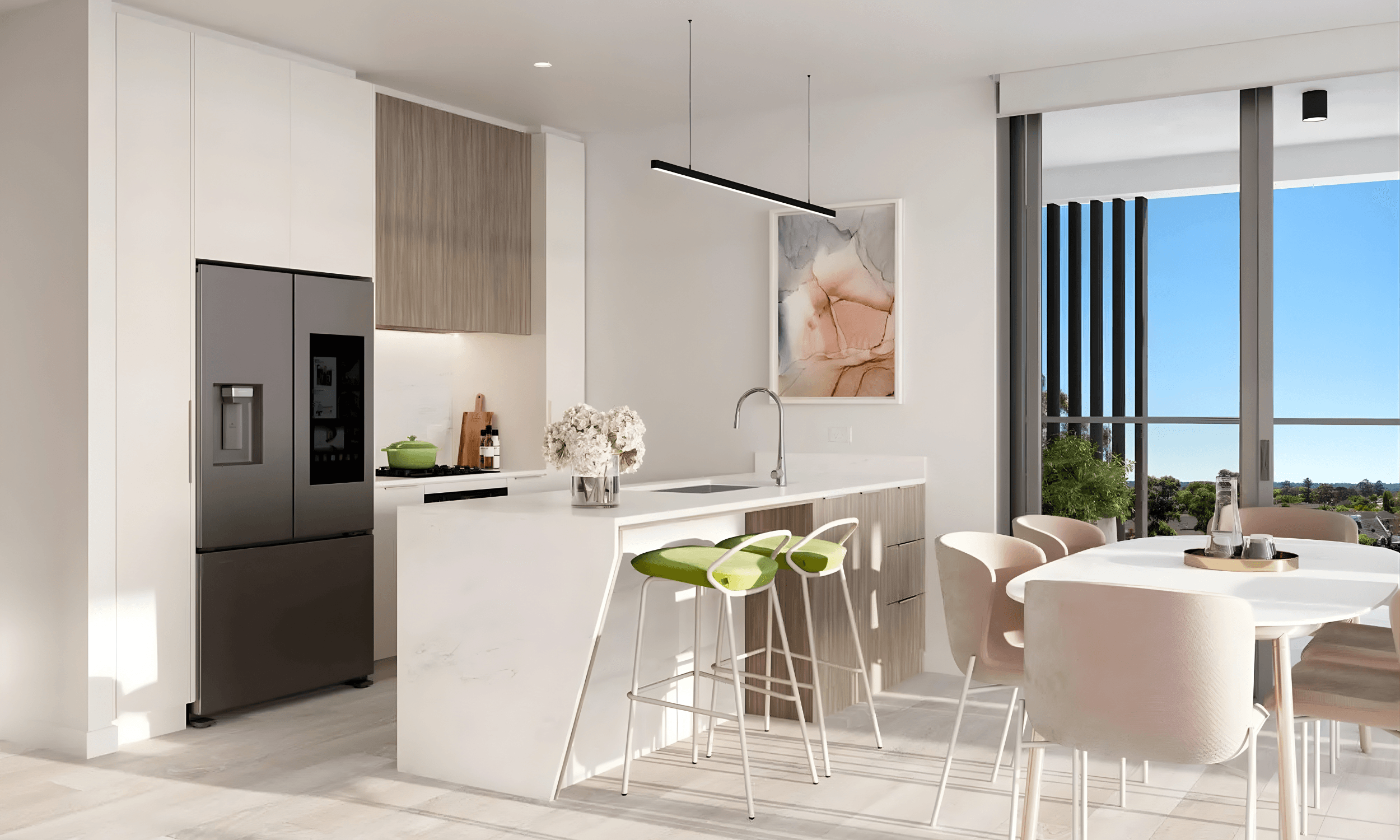
- Walk-in pantries in 3-bedroom apartments (previously unheard of)
- Laundry chutes from bedrooms to laundry (multi-level apartments)
- Second bathroom access from the living areas for guests without entering the bedroom zones
- Kids' storage zones in bedrooms with modular systems that evolve from toys to clothes to study materials
Functionality Solutions:
- Walk-in pantries in 3-bedroom apartments (previously unheard of)
- Laundry chutes from bedrooms to laundry (multi-level apartments)
- Second bathroom access from the living areas for guests without entering the bedroom zones
- Kids' storage zones in bedrooms with modular systems that evolve from toys to clothes to study materials
Cielo's positioning targets families who expect apartment living to match or exceed house functionality. These buyers research materials, interrogate floor plans, and demand evidence of durability. They'll pay 15-20% premiums for genuine quality and functionality but reject superficial upgrades.
Senso: Adaptive Design for Evolving Families
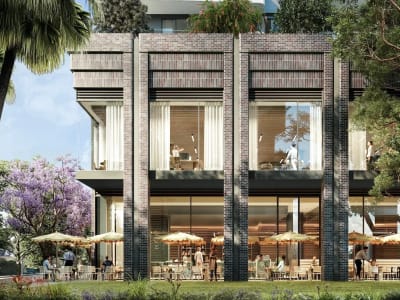
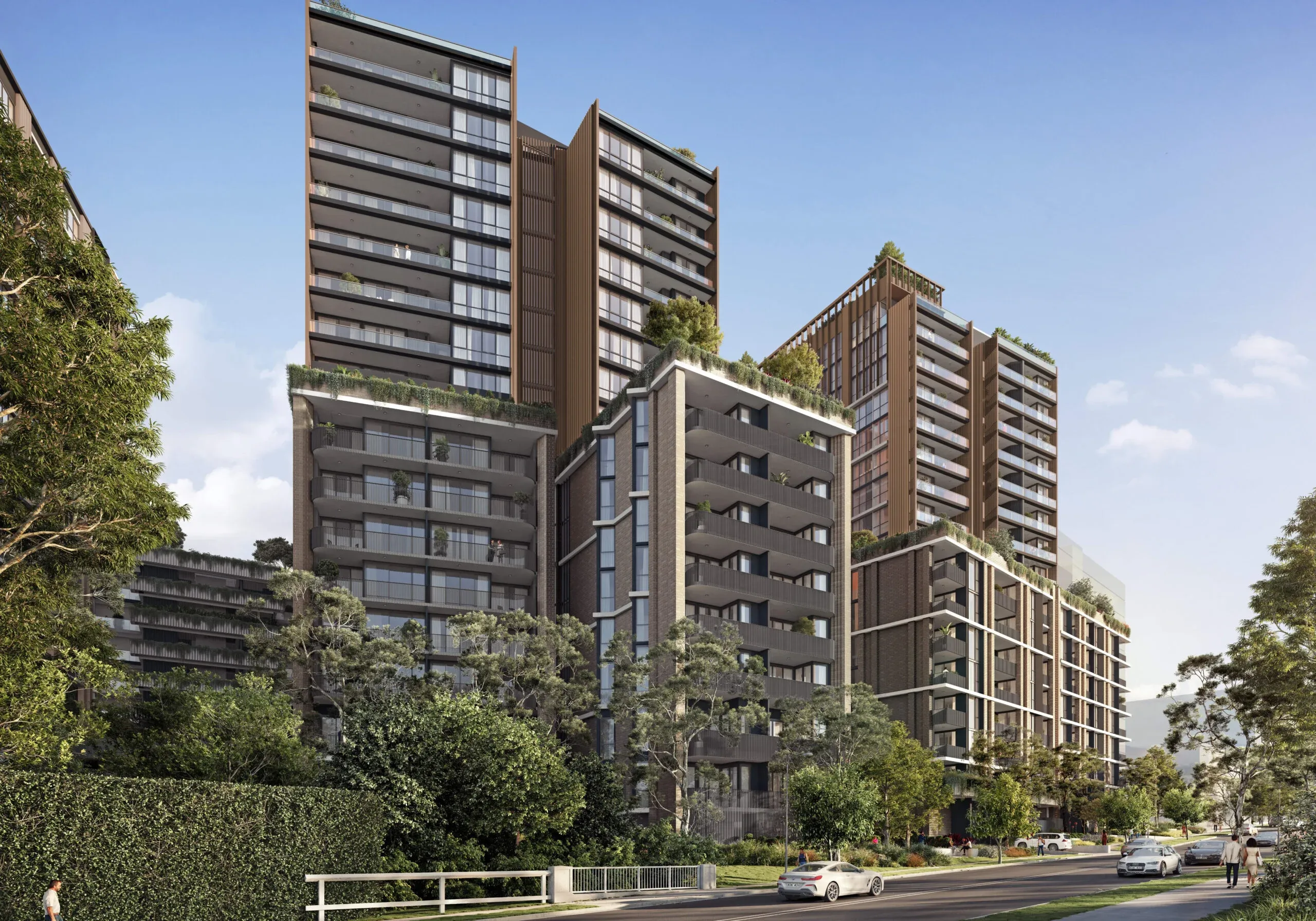
Senso exemplifies a design philosophy centered on evolution, creating apartments that function for young families, adapt to teenage years, and support adult children or aging parents.
Evolution-Focused Design Elements: Senso-type developments typically include:
Early Childhood Optimization:
- Integrated play areas in living zones with built-in toy storage
- Safe balcony design with glass balustrades and lockable doors
- Bathroom safety features include anti-scald taps, non-slip surfaces, and toilet seat stabilizers
- Kitchen family zones low bench extensions allowing child "help" with cooking
School-Age Functionality:
- Dedicated study nooks in or adjacent to children's bedrooms
- Tech homework stations with charging and monitoring capabilities
- Sports equipment storage in basement or balcony zones for bikes, boards, gear
- Family command centers: Central communication and organization hubs
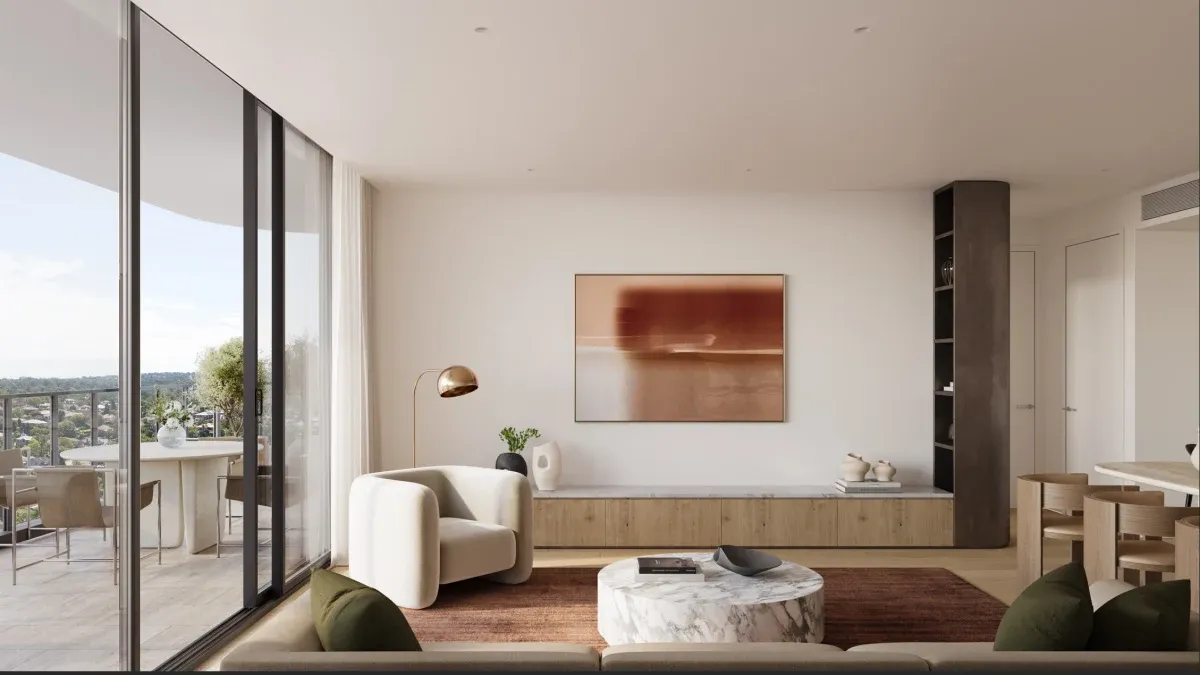 Teenage/Young Adult Accommodation:
- Separate living zones allowing teens to entertain friends semi-independently
- Bathroom separation: Ensuite for parents, main bathroom for kids, powder room for guests
- Pocket door systems: Creating privacy zones without permanent division
- Second entry potential: Some designs allow independent access for adult children
Teenage/Young Adult Accommodation:
- Separate living zones allowing teens to entertain friends semi-independently
- Bathroom separation: Ensuite for parents, main bathroom for kids, powder room for guests
- Pocket door systems: Creating privacy zones without permanent division
- Second entry potential: Some designs allow independent access for adult children
Multi-Generational Future:
- Bedroom privacy separation: Zoned design allowing elderly parents to have a defined space
- Accessibility provisions: Wider doorways, reinforced bathroom walls for grab rails, no-step entries
- Lifts to all floors: Essential for aging-in-place functionality
- Separate temperature controls: Zoned air conditioning, allowing different comfort levels
Senso's approach recognizes that families don't stay static; they evolve through predictable
stages, and the home must evolve with them. This adaptability creates 20+ year occupancy potential, justifying premium pricing through reduced transaction costs and life continuity.
Market Response: How Developers Are Adapting
From Investor-Focused to Owner-Occupier Driven
The family apartment trend has forced a fundamental shift in developer business models. Investor-focused designs (small kitchens, minimal storage, generic finishes) are failing in the market, while owner-occupier-focused designs command premiums and sell faster.
Business Model Evolution:
- Higher specifications: Materials and finishes budgets increased 30-40%
- Bigger floor plans: Average 3-bedroom size increased from 110sqm to 135sqm
- Architectural differentiation: Unique designs responding to specific buyer demographics
- Quality certifications: Independent building audits are marketed as key selling points
- Long-term warranties: 10-year structural, 5-year fixture guarantees are becoming standard
This shift reflects recognition that family buyers conduct deeper due diligence and demand evidence of quality. They research builder track records, visit completed projects, and interrogate material specifications. Superficial marketing no longer works.
Price Point Reality: Premium Justified by Value
Family-focused apartments command significant premiums over generic stock, but buyers accept these premiums when value is demonstrated.
Premium Breakdown:
- Material upgrades: $80,000-120,000 for commercial-grade finishes
- Flexible design: $30,000-50,000 for movable partitions and adaptable infrastructure
- Storage solutions: $25,000-40,000 for walk-in pantries, bedroom wardrobes, garage storage
- Outdoor space: $40,000-60,000 for usable balconies with weather protection
- Technology integration: $15,000-25,000 for smart home infrastructure and connectivity
Total premium: $200,000-300,000 over standard apartment specifications.
However, buyers calculate the total cost of ownership over 15-20 years. Spread across long-term occupancy, the premium delivers value through reduced maintenance, avoided relocation costs, and enhanced daily living quality. The math works if the design genuinely delivers on flexibility, longevity, and functionality promises.
Conclusion: The Family Apartment Has Come of Age
The evolution from cramped, investor-focused apartments to genuine family homes represents one of the most significant shifts in Sydney's housing market. No longer a compromise, well-designed family apartments now offer advantages over traditional houses: lower maintenance, better locations, community amenities, and sophisticated design that enhances rather than constrains family life.
The key is recognizing the difference between generic apartments and those purpose-built for families. Flexibility to evolve with changing needs, longevity through quality materials and construction, and functionality that makes daily life easier, these are the non-negotiables that define successful family apartment design.
For families and upsizers entering the market in 2026, the message is clear: demand more. Insist on adaptable floor plans, generous storage, quality finishes, and technology integration. These aren't luxuries, they're essentials for long-term family living.
The apartment market has responded. Developers now understand that families won't compromise on functionality. The result is a new generation of apartments that don't just compete with houses; they often surpass them.
Ready to explore family-focused apartments that deliver genuine long-term living solutions? Contact our team to inspect developments designed specifically for families, including projects with adaptable floor plans, premium storage solutions, and quality that endures.