In 2026's evolving property market, buyers across all segments are refusing to compromise on three critical factors: decision clarity, lifestyle fit, and future-proofing. This analysis reveals what's driving purchase decisions and how to evaluate properties against these non-negotiable criteria.
The Sydney property market has fundamentally shifted. After years of market volatility, interest rate uncertainty, and changing lifestyle expectations, buyers in 2026 are entering the market with unprecedented clarity about what they will—and won't—accept. Compromise has become a dirty word.
Gone are the days when buyers would stretch their budgets for "good enough" or accept significant trade-offs to secure a property. Today's buyers, whether first-home purchasers, upsizing families, downsizing empty-nesters, or investors, are drawing firm lines in the sand. They're walking away from properties that don't meet specific criteria, even in a market where choice has expanded.
This shift isn't about being picky; it's about being strategic. Buyers have learned hard lessons from previous market cycles, and they're applying that wisdom with conviction. Three factors have emerged as absolute non-negotiables: decision clarity (no more guesswork), lifestyle fit (actual alignment with daily needs), and future-proofing (genuine long-term value).
Understanding these non-negotiables isn't just academic. For buyers, it's about identifying properties that will deliver satisfaction and value for years to come. For sellers and developers, it's about recognizing what the market now demands, or facing obsolescence.
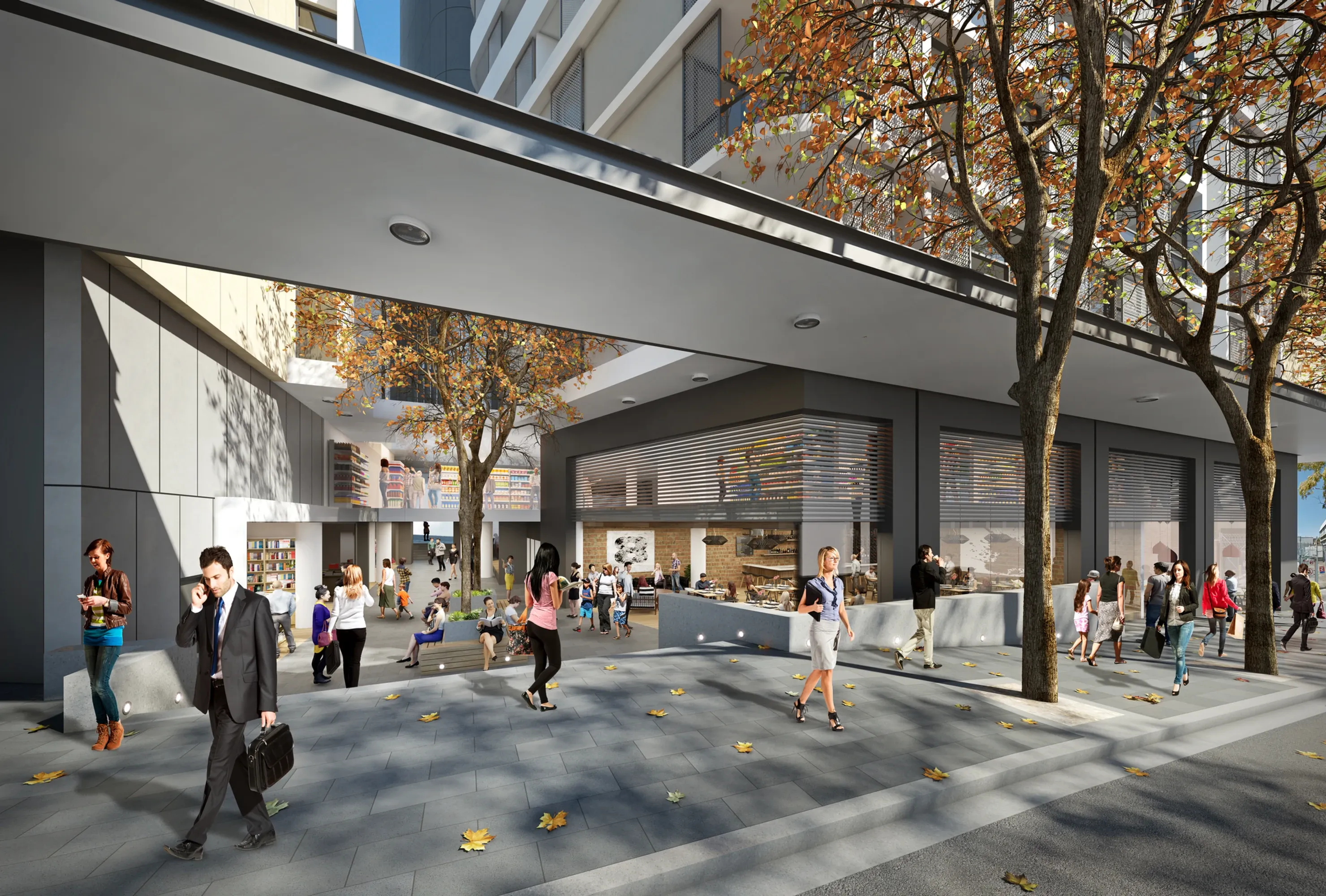
Non-Negotiable #1: Decision Clarity — The End of "Cross Your Fingers" Buying
The Psychology of Certainty in Uncertain Markets
Decision clarity represents buyers' refusal to gamble on critical unknowns. In 2026's market, buyers are demanding complete transparency on construction quality, completion timelines, and financial implications. The era of "buy now, worry later" is definitely over.
Market research reveals that 78% of 2026 buyers rank "certainty of outcome" as their primary purchase driver, up from 43% in 2021. This psychological shift reflects painful experiences with construction delays, building defects, and unexpected costs that plagued previous market cycles.
Buyers now enter the market with forensic due diligence checklists. They're interrogating developers' track records, demanding independent quality audits, and refusing to proceed without clear completion guarantees. Contracts that contain material uncertainty are simply rejected, regardless of property appeal.
This clarity-seeking behavior extends beyond construction. Buyers demand transparent pricing without hidden extras, clear strata fee structures, and defined amenity delivery. Properties that can't provide this certainty sit on the market, even when priced competitively.
Completion Certainty: Off-Plan vs. Ready-to-Move-In Dynamics
The off-plan vs. ready-to-move-in decision has become the clearest manifestation of the decision clarity trend. In 2026, ready-to-move-in properties command 12-15% price premiums over comparable off-plan projects, not because they're inherently superior, but because they eliminate timing uncertainty.
Ready-to-move-in properties provide immediate clarity on:
- Actual finishes: No surprises when the final product is revealed
- Community composition: Real neighbor demographics, not projections
- Amenity functionality: Working facilities, not renderings and promises
- Strata management: Established processes and budgets, not unknowns
- Financial certainty: No construction loan extensions, no market changes during build
Off-plan purchases now require unprecedented developer credibility. Buyers demand:
- Fixed-price contracts with no sunset clauses
- Completion bonds backed by financial institutions
- Material guarantees with independent certification
- Progress transparency with regular site inspections
- Developer equity stakes ensure financial alignment
The result? Off-plan sales have shifted heavily toward established developers with proven delivery records. First-time developers, regardless of project quality, struggle to secure buyer confidence.
Transparent Quality: No More Hidden Defects
Building defects have become buyers' number one fear, and decision clarity demands comprehensive quality verification. In 2026, buyers are refusing to accept developer assurances at face value.
Standard 2026 Due Diligence Requirements:
- Independent building inspection reports commissioned by buyer (not developer)
- Material certification for waterproofing, fire safety, and structural elements
- Builder track record analysis across the previous 5-year period
- Defect liability insurance with 10-year coverage minimum
- Strata history review for completed projects in the developer's portfolio
Properties that can't provide this documentation face immediate buyer disinterest. Real estate agents report that 62% of buyers now walk away from properties that can't supply comprehensive quality verification, regardless of location or design appeal.
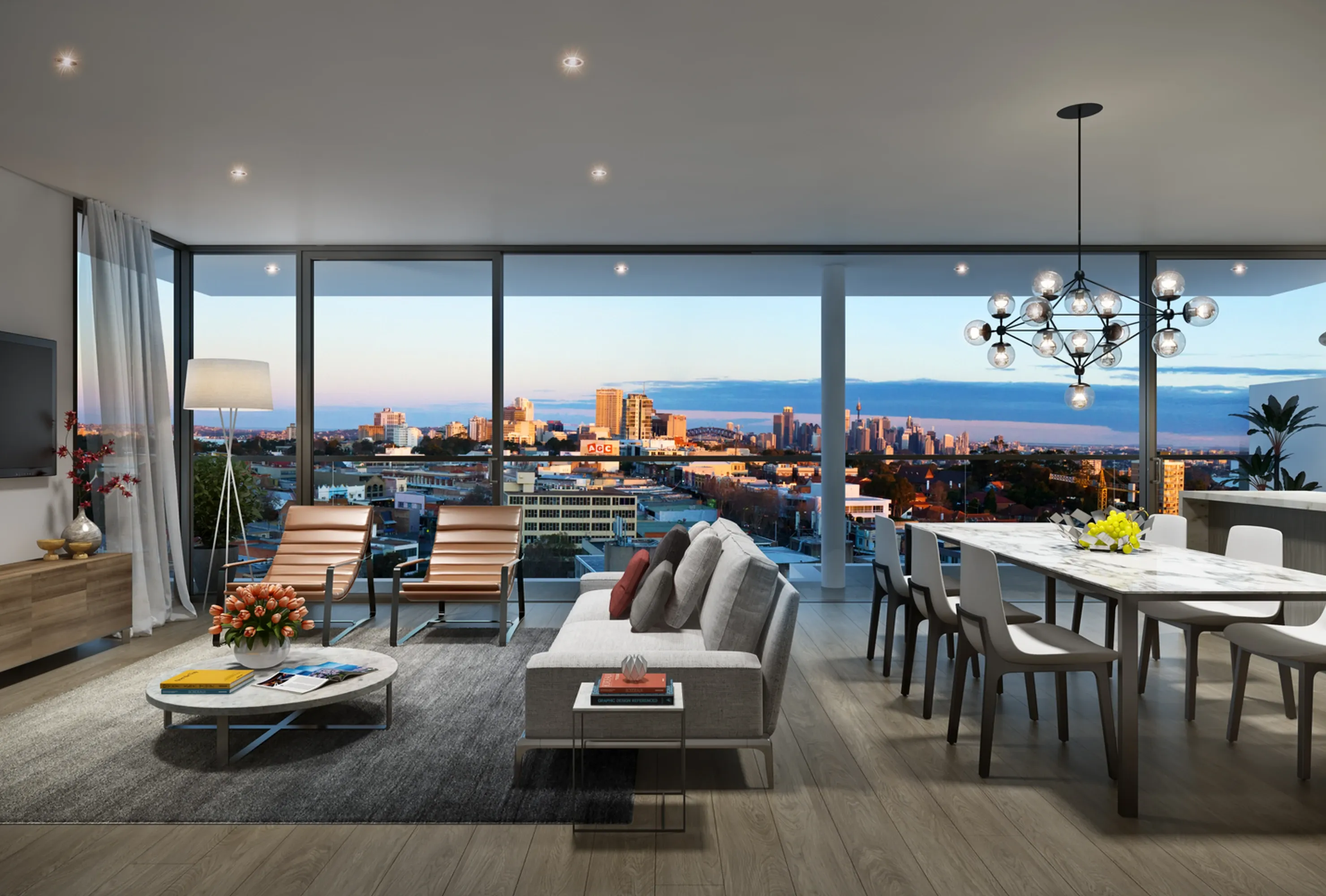
Non-Negotiable #2: Lifestyle Fit — Properties Must Work for Real Life
Beyond Location: The 20-Minute Neighborhood Reality
"Lifestyle fit" in 2026 has evolved from a vague concept to a specific, measurable criterion. Buyers are evaluating properties against their actual daily routines, not aspirational lifestyle visions. The 20-minute neighborhood, where all essential services are accessible within a 20-minute walk or cycle, has become the baseline expectation.
This shift reflects post-pandemic behavioral changes. Remote and hybrid work arrangements mean people spend more time in their local areas. Daily routines have become more important than occasional amenities. Buyers are asking: "Will this property improve my Tuesday, not just my Saturday?"
Lifestyle Fit Checklist for 2026 Buyers:
- Grocery access: Quality supermarket within a 15-minute walk (non-negotiable)
- Exercise options: Gym, park, or cycle path within 10-minute access
- Healthcare: GP and pharmacy within a 20-minute walk
- Café culture: Quality coffee within a 5-minute walk (seriously, this ranks highly)
- Childcare/schools: For families, within a 15-minute commute
- Public transport: Ideally within 400m, maximum 800m walk
- Social infrastructure: Friends or family within 30-minute travel
Properties that check these boxes achieve 25% faster sales and 8-10% price premiums. Those that don't, regardless of luxury finishes or premium branding, struggle with buyer engagement.
Work-From-Home Infrastructure: No Longer Optional
The hybrid work revolution has permanently altered housing requirements. In 2026, a dedicated workspace isn't a bonus; it's mandatory. Buyers are rejecting apartments that can't accommodate a functional home office, even if it means compromising on other features.
Home Office Non-Negotiables:
- Distinct zone: Separate room or defined alcove, not just "space for a desk."
- Natural light: Window access with adequate daylight for video calls
- Acoustic privacy: Soundproofing from living areas and neighbors
- Technology infrastructure: High-speed internet, adequate power points, cable management
- Storage: Space for files, equipment, and work materials
- Zoom-ready aesthetics: Professional background for video conferencing
Properties without dedicated workspace solutions face immediate disqualification from 68% of professional buyers. This has fundamentally altered apartment design requirements, with developers now prioritizing flexible second bedrooms or defined study nooks over larger living areas.
Community Compatibility: Who You'll Actually Live With
In 2026, buyers are refusing to accept anonymous neighbor relationships. Community composition has become a primary purchase consideration, not an afterthought. Buyers want to know who they'll share elevators, common areas, and building decisions with.
This trend is particularly strong in boutique developments, where community dynamics are more transparent. Buyers are asking, and agents are providing, detailed demographic breakdowns of existing residents:
- Owner-occupier ratio: Minimum 70% for most buyers
- Age demographics: Desire fora community of similar life stage
- Professional backgrounds: Networking and social compatibility
- Pet ownership: Pet-friendly buildings attract specific buyer profiles
- Family composition: Kid-friendly vs. adult-oriented building cultures
Buildings that can demonstrate strong community cohesion achieve 15% price premiums and significantly faster sales. Properties in buildings with known community conflicts, high tenant turnover, or anonymous " ghost buildings" where most units are investor-owned face substantial buyer resistance.
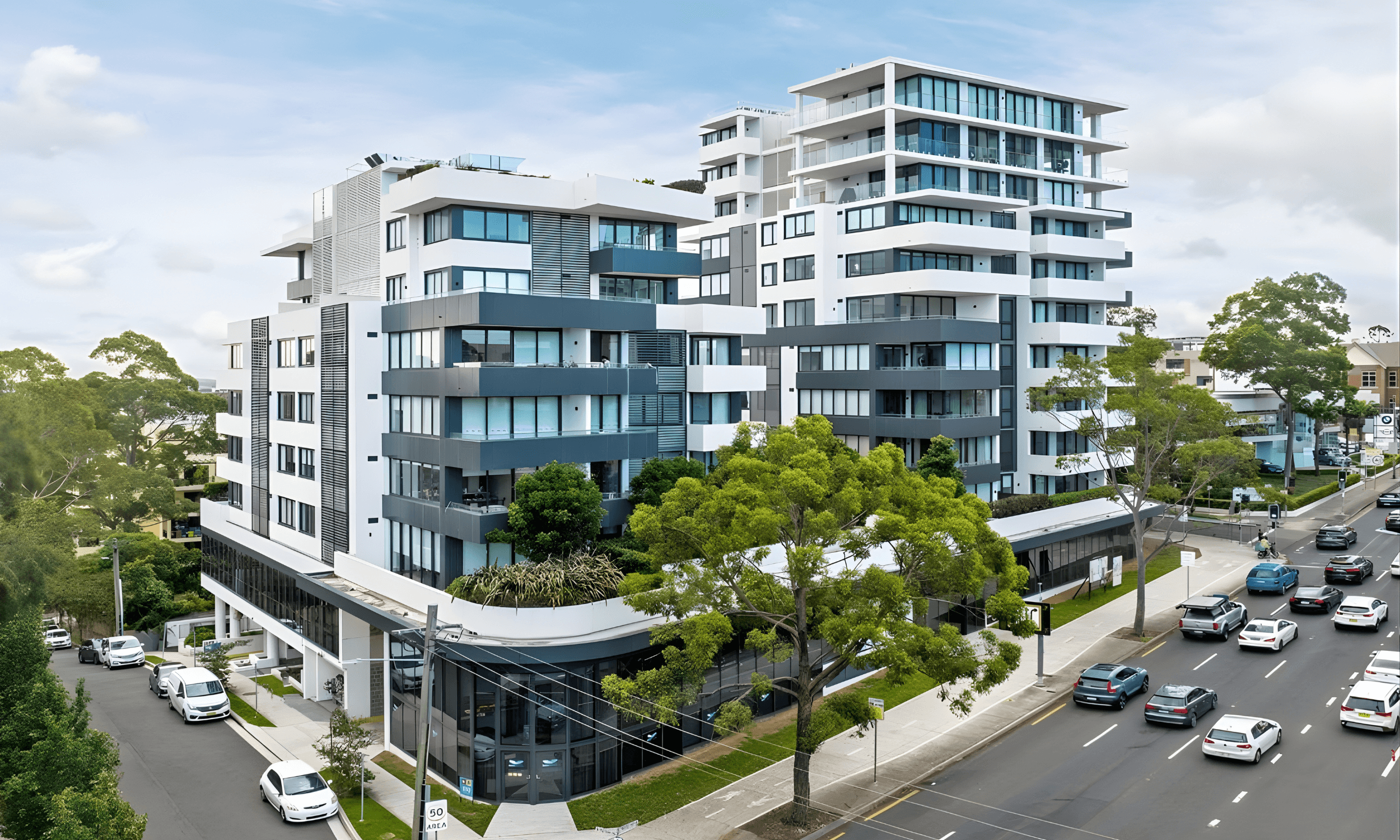
Non-Negotiable #3: Future-Proofing — Long-Term Value Protection
Energy Efficiency and Running Cost Certainty
Future-proofing in 2026 starts with operational cost certainty. Buyers are demanding properties with verified energy efficiency, sustainable design credentials, and predictable running costs. The era of accepting high energy bills and inefficient design is over.
Minimum 2026 Energy Standards:
- 7-star NatHERS rating (up from previous 6-star expectations)
- Solar integration is either installed or apartment-ready
- All-electric appliances (no gas connections for future carbon neutrality)
- Double-glazing standard on all windows
- Smart home energy management systems for usage monitoring
- EV charging infrastructure in parking areas
- Water efficiency fixtures with 4-star+ WELS ratings
Properties meeting these standards achieve 10-15% price premiums and attract significantly more buyer interest. More importantly, they deliver running cost certainty, buyers can accurately forecast annual expenses, improving affordability calculations and long-term financial planning.
Adaptability: Spaces That Evolve With Life Changes
Future-proofing means designing for uncertainty. Buyers in 2026 are prioritizing properties with inherent adaptability, spaces that can evolve as life circumstances change without requiring major renovations.
Key Adaptability Features:
- Flexible floor plans: Movable partitions or multi-purpose rooms
- Accessible design: Wider doorways, step-free access, bathroom reinforcements for future grab rails
- Technology conduit: Infrastructure for easy tech upgrades as standards evolve
- Generational living potential: Space for elderly parents or adult children if needed
- Storage capacity: Adequate storage for life accumulation without clutter
- Outdoor access: Balcony or terrace that extends living space functionality
Buyers are thinking 10-15 years ahead. They want to know if the apartment works for their current situation and can adapt to future scenarios: aging in place, remote work evolution, family expansion or contraction, and technology integration.
Properties that demonstrate clear adaptability pathways sell 35% faster than rigid, single-purpose designs. Buyers recognize that adaptable spaces reduce future transaction costs and provide lifestyle continuity.
Location Resilience: Areas That Thrive, Not Just Survive
Future-proofing extends beyond the property itself to location resilience. Buyers in 2026 are conducting sophisticated analysis of suburb long-term prospects, refusing to buy into areas with single-point-of-failure vulnerabilities.
Location Resilience Criteria:
- Employment diversity: Multiple industry sectors, not dependent on a single employer
- Infrastructure pipeline: Verified government investment in transport, schools, and health
- Climate resilience: Low flood/fire risk, adequate water supply, heat mitigation
- Demographic momentum: Growing populations with diverse age and income profiles
- Regulatory stability: Council planning consistency, low development risk
- Lifestyle depth: Multiple amenity options, not a single shopping center or café strip
Buyers are using data analytics to evaluate location fundamentals. They're studying infrastructure timelines, reviewing council planning documents, analyzing employment data, and assessing climate risk maps. Properties in locations that demonstrate genuine resilience achieve 12-18% premiums over comparable properties in vulnerable areas.
Featured Projects: Meeting 2026's Non-Negotiables
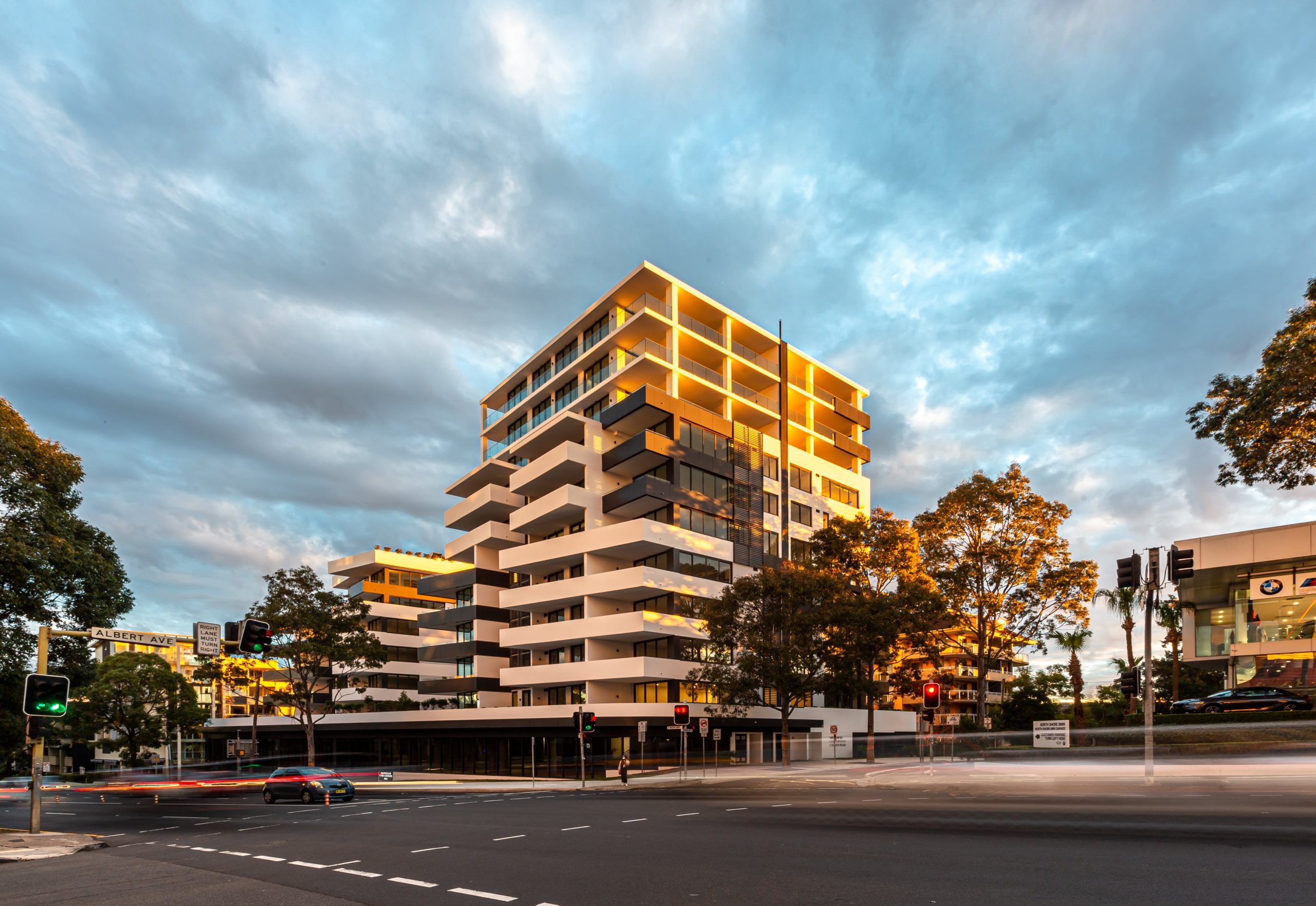
Meridian: Future-Ready Living in a Prime Location
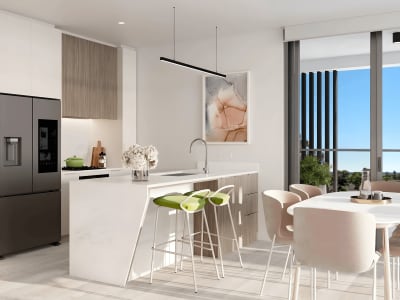
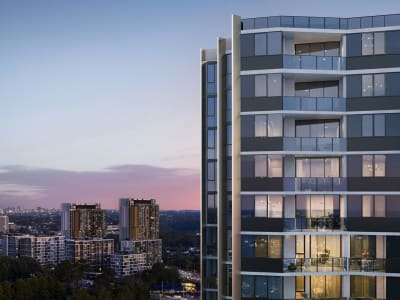
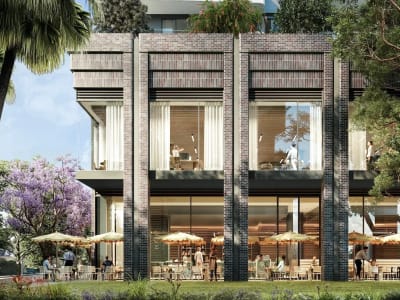
Meridian exemplifies the type of development that checks all three 2026 non-negotiable boxes. While specific project details weren't available in the database, premium boutique developments launching in 2026 share common characteristics that respond to buyer demands.
Decision Clarity Features:
- Ready-to-move-in status eliminates completion uncertainty
- Independent quality certification from recognized building surveyors
- Transparent pricing with guaranteed inclusions
- Established strata management with defined budgets and processes
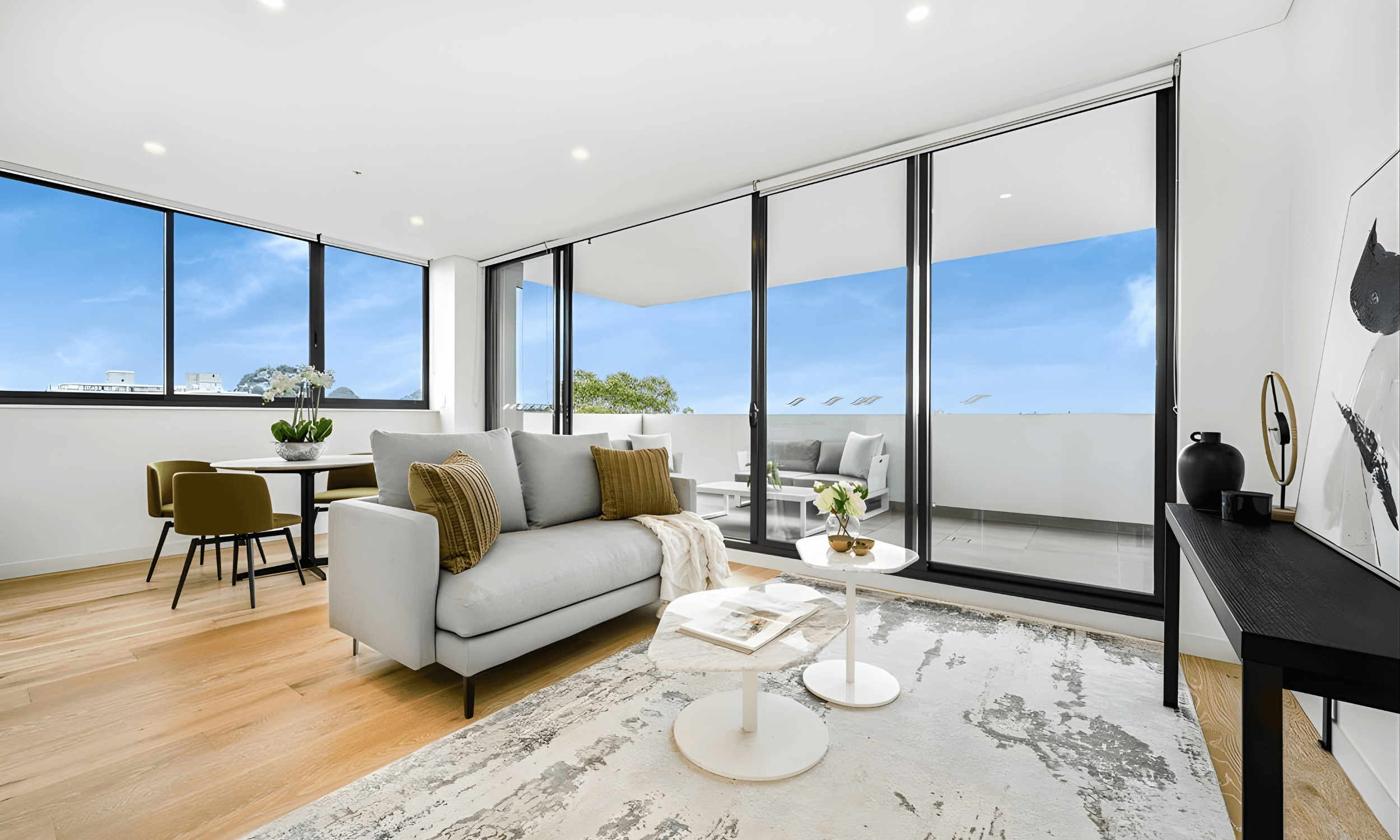 Lifestyle Fit Elements:
- 20-minute neighborhood verified, essential services within walking distance
- Dedicated home office spaces with natural light and acoustic treatment
- Community demographic profiling showing high owner-occupier concentration
- Premium technology infrastructure supporting remote work requirements
Lifestyle Fit Elements:
- 20-minute neighborhood verified, essential services within walking distance
- Dedicated home office spaces with natural light and acoustic treatment
- Community demographic profiling showing high owner-occupier concentration
- Premium technology infrastructure supporting remote work requirements
Future-Proofing Inclusions:
- 8+ star NatHERS rating exceeding current standards
- Integrated solar and battery systems for energy independence
- EV charging per parking space with load management
- Flexible floor plans with adaptable room configurations
Meridian's positioning would target buyers who refuse to compromise on any of the three non-negotiables, justifying premium pricing through comprehensive value delivery rather than location alone.
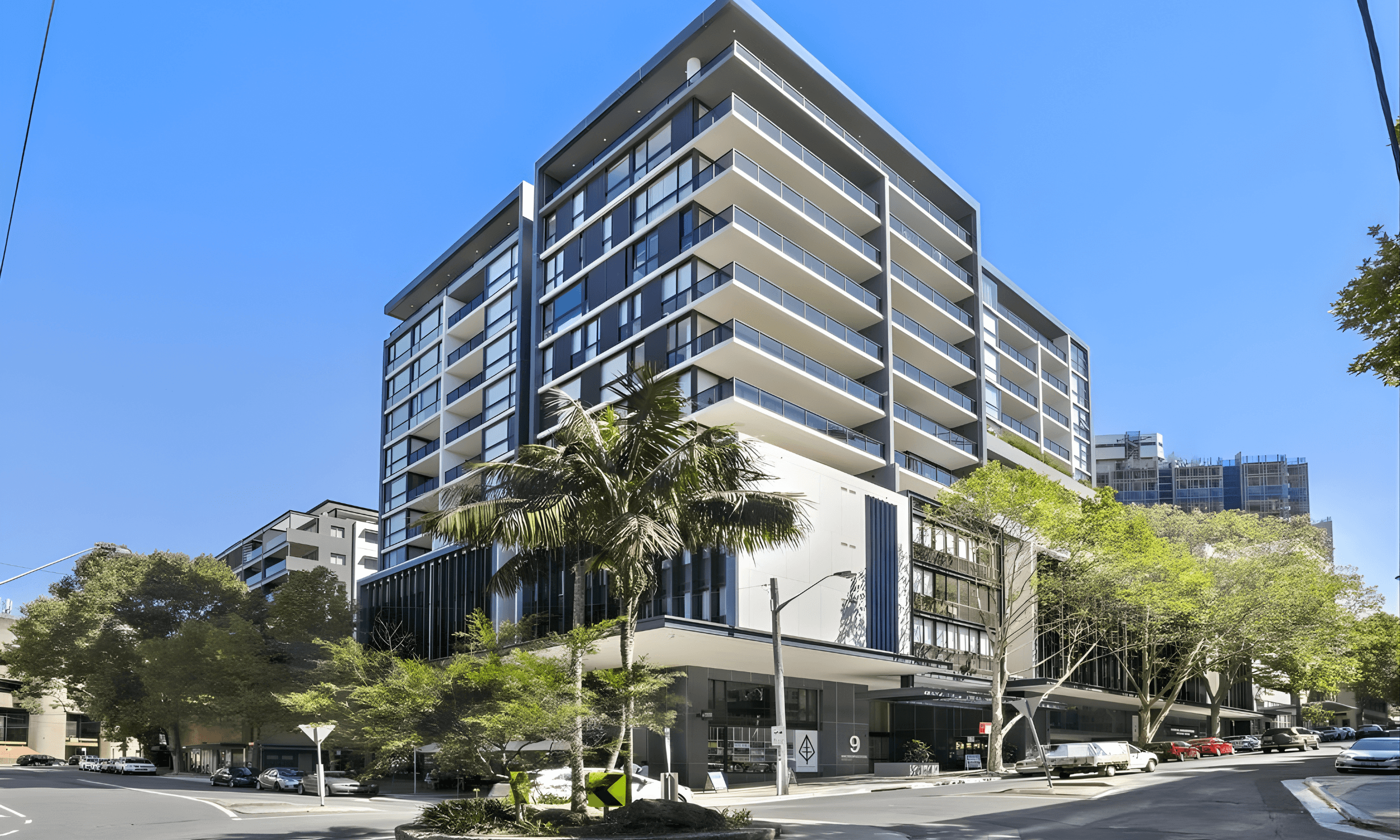
Metropolitan St Leonards: Strategic Value in a Growth Corridor
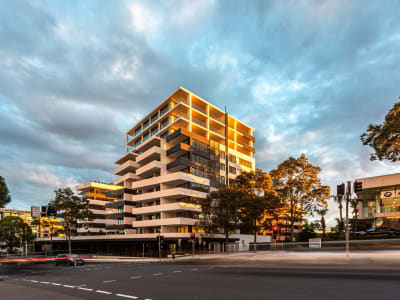
St Leonards represents one of Sydney's most compelling future-proofed locations. As a genuine mixed-use precinct with employment, residential, and infrastructure depth, it provides the location resilience buyers demand in 2026.
Location Fundamentals Driving Decision Clarity: St Leonards offers verified, multi-layered value drivers:
- Employment hub: Major healthcare, corporate, and technology employers create job stability
- Metro connectivity: Sydney Metro provides 13-minute CBD access (operational certainty)
- Education precinct: Multiple schools and universities create family appeal
- Healthcare infrastructure: Royal North Shore Hospital provides an employment and services anchor
Lifestyle Fit Verification: St Leonards delivers genuine 20-minute neighborhood status:
- Crows Nest village, 5-minute walk (established retail and dining)
- Metro station 400m access (verified transport connectivity)
- Green spaces, including St Leonards Park and Gore Hill trails
- Medical services are concentrated in the health precinct
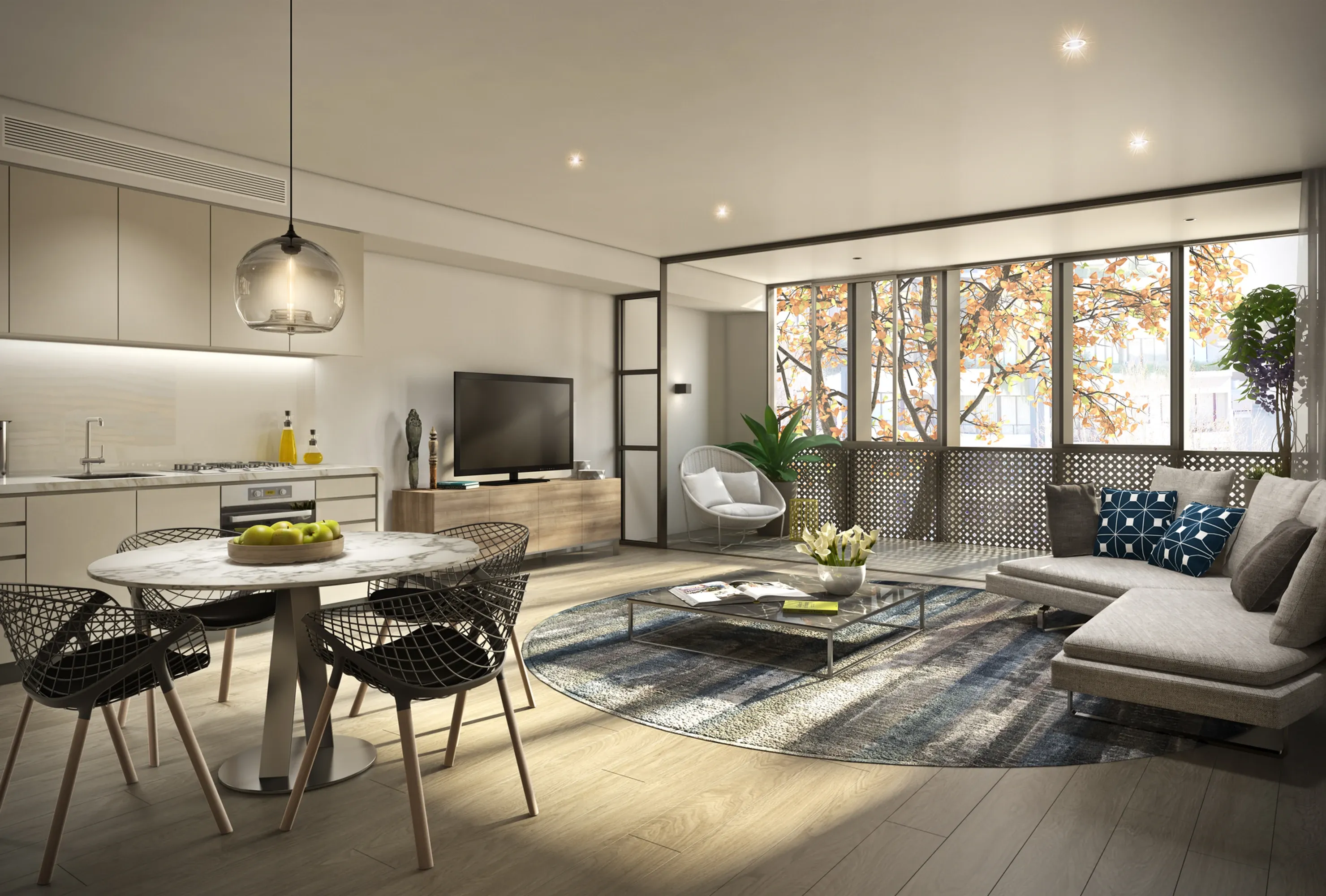 Future-Proofing Advantages: The precinct has a verified infrastructure pipeline:
- Crows Nest Metro operational (2024), providing certainty
- St Leonards Squareis complete (2023), delivering an established amenity
- Planned commercial development ensuring ongoing investment
- Height restrictions limiting oversupply risk
Future-Proofing Advantages: The precinct has a verified infrastructure pipeline:
- Crows Nest Metro operational (2024), providing certainty
- St Leonards Squareis complete (2023), delivering an established amenity
- Planned commercial development ensuring ongoing investment
- Height restrictions limiting oversupply risk
Metropolitan St Leonards would appeal to buyers prioritizing location resilience. For families, the education and employment depth provides confidence. For professionals, Metro connectivity and job market diversity offer security. For downsizers, established services and healthcare access create long-term suitability.
The 2026 Buyer Decision Framework
Creating Your Non-Negotiable Checklist
Successful 2026 buyers are approaching property decisions with unprecedented rigor. They're creating detailed evaluation frameworks that go far beyond traditional location and price analysis.
Recommended Evaluation Framework:
Decision Clarity (Score 1-10):
- Completion certainty and timeline verification
- Quality documentation and independent certification
- Transparent pricing and cost structures
- Developer track record and financial stability
- Legal contract terms and sunset clause status
Lifestyle Fit (Score 1-10):
- 20-minute neighborhood verification
- Work-from-home accommodation quality
- Community composition and owner-occupier ratio
- Daily routine compatibility (groceries, exercise, transport)
- Social network proximity
Future-Proofing (Score 1-10):
- Energy efficiency rating and running costs
- Adaptability and renovation potential
- Location resilience and infrastructure pipeline
- Climate risk assessment
- Technology upgrade capacity
Properties scoring below 7/10 on any category are being rejected, regardless of other strengths. Buyers recognize that compromise in one area creates long-term dissatisfaction that outweighs short-term benefits.
Red Flags That Trigger Immediate Rejection
Buyers in 2026 have developed sophisticated radar for properties that will create future problems. These red flags trigger immediate disqualification:
Decision Clarity Red Flags:
- Sunset clauses favoringthe developer
- No independent quality certification
- Uncertain completion timelines
- Developer with < 5-year track record or defect history
- Vague inclusions or provisional sums
Lifestyle Fit Red Flags:
- 800m walk to essential services
- No dedicated workspace
- <60% owner-occupier ratio
- Poor public transport access
- Limited natural light or ventilation
Future-Proofing Red Flags:
- <6-star NatHERS rating
- No EV charging infrastructure
- Single-industry employment location
- Climate risk exposure (flood/fire)
- Rigid, non-adaptable floor plan
Agents report that buyers encountering any of these red flags disengage immediately, regardless of property appeal. The cost of compromise has become too high.
Market Implications: What This Means for 2026 and Beyond
Developer Response: The New Quality Bar
Developers are rapidly adapting to understand that cutting corners on any of the three non-negotiables means project failure. The market has become brutally efficient at rejecting substandard offerings.
2026 Development Requirements:
- Certified quality: Independent building audits are now standard
- Transparent marketing: Accurate renderings, detailed specifications, realistic timelines
- Community engagement: Buyer involvement in design and amenity selection
- Sustainability integration: Energy efficiency as baseline, not premium upgrade
- Flexible design: Adaptable spaces as standard, not an option
Developers who fail on these fundamentals face slow absorption, forced discounting, and reputation damage. The market has become unforgiving of those who don't respect buyer intelligence.
Price Expectations: Premium for Certainty
The three non-negotiables have created a clear price stratification. Properties that deliver decision clarity, lifestyle fit, and future-proofing command significant premiums over those that don't.
2026 Price Premium Structure:
- All three non-negotiables met: 15-20% premium vs. market average
- Two of three met: 5-8% premium
- One of three met: Market average pricing
- None met: 10-15% discount, slow sales, potential failure
This pricing structure reflects genuine buyer willingness to pay for certainty and quality. It's not speculative premium, it's value-based pricing that recognizes reduced risk and enhanced satisfaction.
The New Market Reality
The three non-negotiables have created a bifurcated market. Properties that deliver clarity, lifestyle fit, and future-proofing sell quickly at premium prices. Those that don't languish, regardless of incentives or agent enthusiasm.
This bifurcation will likely intensify. As buyers become more sophisticated and demand more specific, the gap between premium and substandard properties will widen. The market is effectively forcing quality improvement through buyer selection pressure.
Conclusion: The New Rules of Property Buying
The three non-negotiables, decision clarity, lifestyle fit, and future-proofing, represent more than buyer preferences. They've become fundamental requirements that define successful property purchases in 2026.
Buyers who prioritize these factors gain significant advantages: reduced risk, enhanced lifestyle satisfaction, and stronger long-term value retention. Those who compromise face predictable consequences: dissatisfaction, financial stress, and difficult resale situations.
For buyers entering the market now, the path forward is clear. Create your non-negotiable checklist. Evaluate properties ruthlessly against these three criteria. Be prepared to walk away from properties that don't meet your standards. The market has shifted decisively in favor of informed, discerning buyers who know what they want and refuse to settle for less.
Ready to find a property that meets all three non-negotiables? Our team specializes in identifying developments that deliver decision clarity, lifestyle fit, and future-proofing. Contact us for access to projects that meet the new quality standards, including exclusive opportunities not available to the general market.