With strata fees rising 28% since 2022 and buyers demanding value-for-money, we analyze which premium amenities actually justify their cost in 2026. The data reveals a $47,000 average price premium—but only 40% of amenities generate measurable returns.
The Sydney apartment market has reached an amenity tipping point. What began as a competitive differentiator, resort-style pools, sky decks, and wellness centres, has become an arms race, potentially inflating purchase prices by $47,000 on average while adding hundreds to quarterly strata fees. As we enter 2026, both investors and owner-occupiers are asking the same question: Are we paying for lifestyle enhancements we'll actually use, or subsidising Instagram features that drain our budgets?
The numbers tell a sobering story. Strata insurance premiums have surged 48% since 2023. Maintenance costs for luxury amenities rose 28% last year alone. Yet developers continue adding ever-more-elaborate facilities, with some new developments featuring amenities packages costing $15,000-$25,000 per unit in construction alone.
This analysis cuts through marketing hype to examine real usage data, quantify ROI, and provide a framework for evaluating whether premium amenities deserve a place in your 2026 purchasing decision.
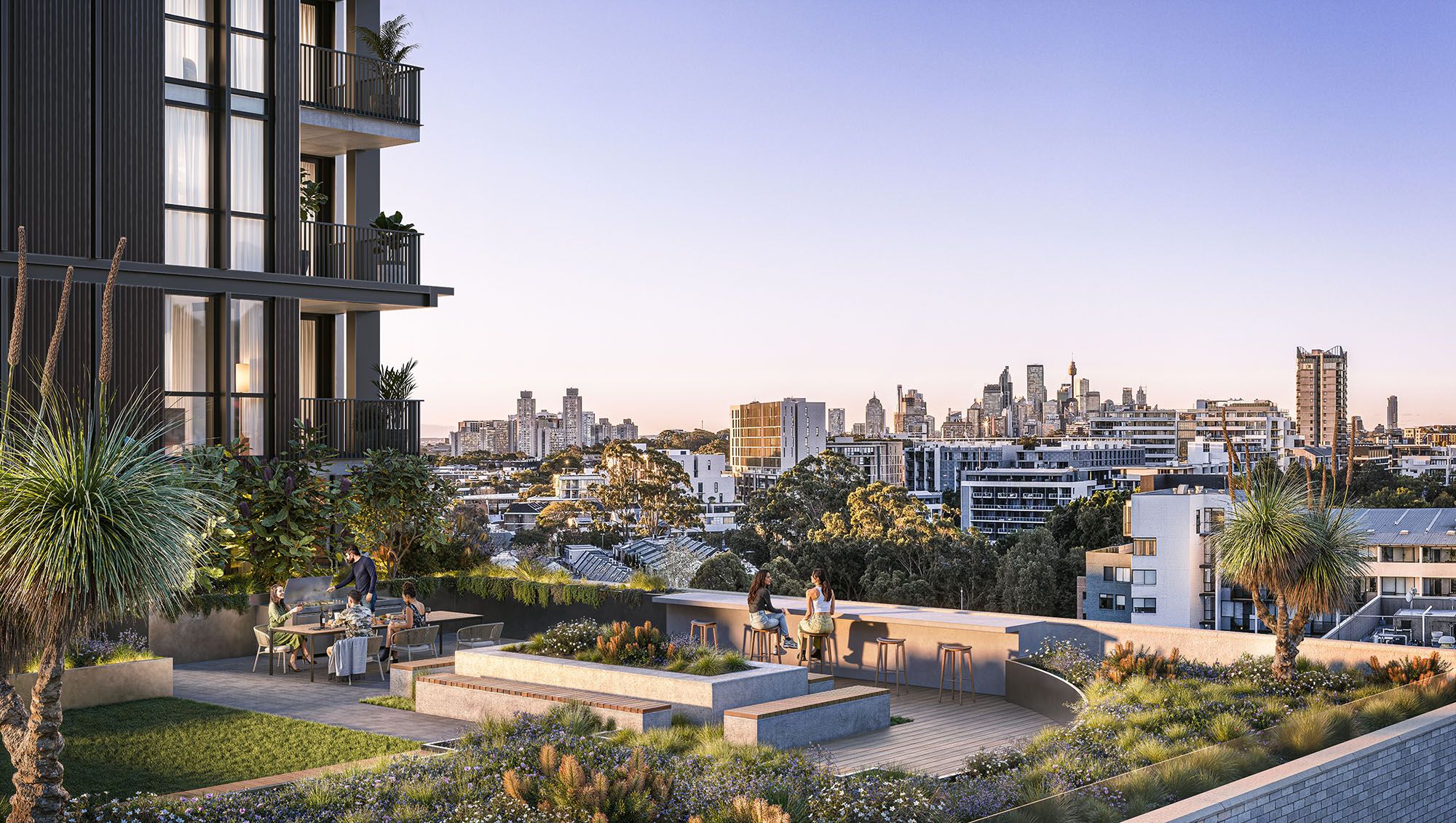
The 2026 Amenity Landscape: What's Standard vs. What's Premium
The Baseline: Modern Standard Amenities
In 2026, certain amenities have shifted from "premium" to "expected." Buyers now consider these non-negotiable in mid-to-high-end developments:
- High-speed fibre internet infrastructure (minimum NBN Tier 5)
- Secure parcel delivery rooms with refrigeration
- EV charging stations (minimum 10% of car spaces)
- Access-controlled bicycle storage with repair stations
- Basic gym equipment (cardio machines, weights up to 50kg)
- Outdoor terrace or communal courtyard (no pool required)
Developers who skimp on these basics face market resistance. According to real estate website search data, listings without secure parcel rooms receive 23% fewer enquiries than comparable properties with them.
The Premium Tier: True Luxury Additions
True premium amenities, those commanding price premiums and high running costs, fall into distinct categories:
High-Maintenance Premium:
- Resort-style pools with heating and automated cleaning
- Rooftop cinemas with AV equipment
- Steam rooms, saunas, and spa facilities
- Golf simulators and virtual sports rooms
- Dedicated co-working spaces with meeting rooms
Low-Maintenance Premium:
- Rooftop gardens with mature plantings
- Outdoor kitchens (BBQ, sink, limited automation)
- Yoga lawns and meditation spaces
- Residents' lounges (unstaffed)
- Guest suites for visitor accommodation
The critical distinction? High-maintenance amenities require ongoing operational costs, specialised contractors, and frequent repairs. Low-maintenance amenities primarily need cleaning and occasional upkeep.
The "Amenity Inflation" Phenomenon
Between 2019 and 2025, the average number of amenities per Sydney apartment development increased from 6.2 to 11.7, a 88% increase, while the average price premium for developments with "extensive amenities" rose from 4% to 12%, according to CoreLogic data.
However, buyer surveys reveal a disconnect. A 2025 Property Council of Australia study found that while 78% of buyers said amenities were "important" to their decision, only 34% regularly used more than two amenities after moving in.
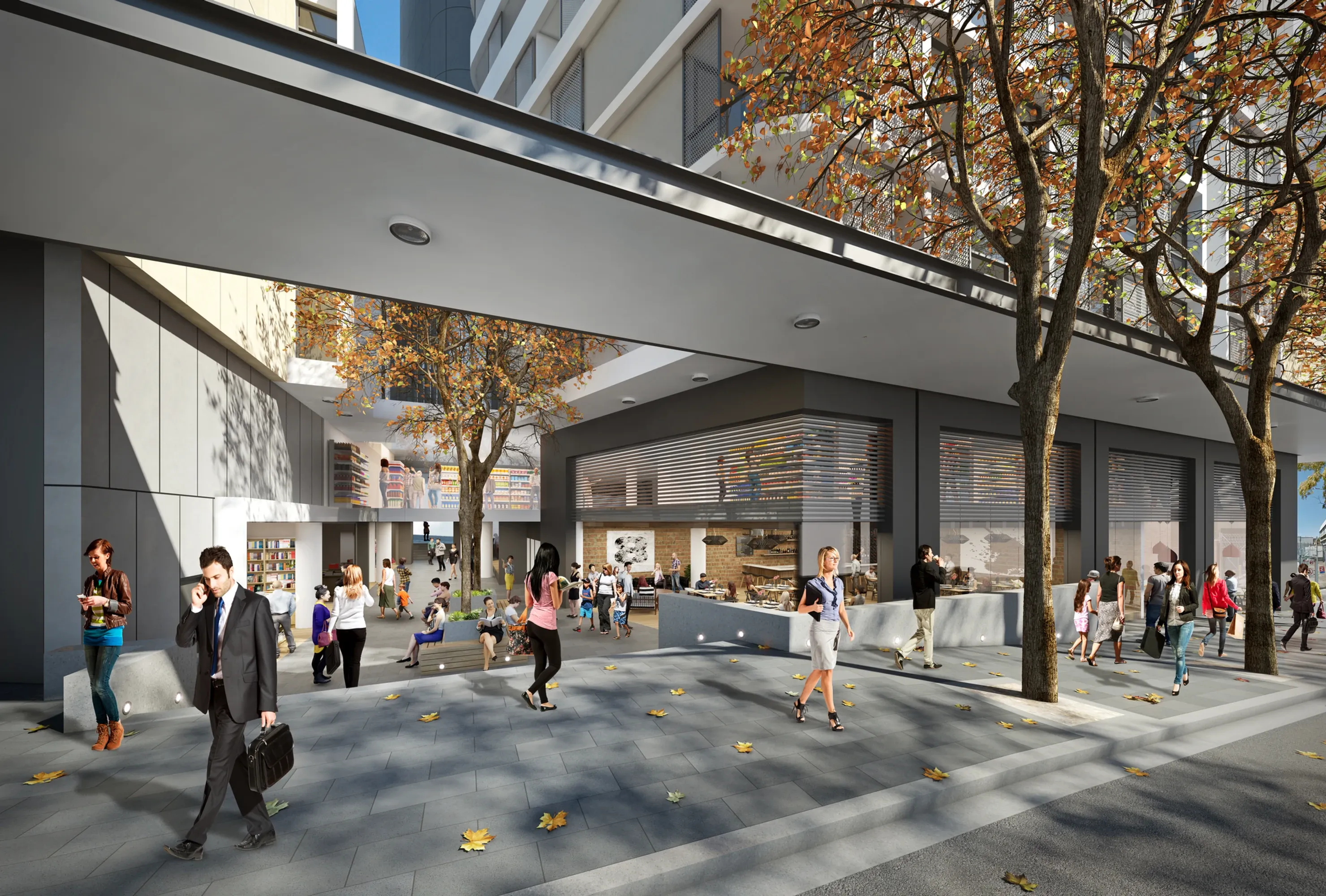
Cost vs. Usage: The Data That Matters
The True Cost Breakdown
Premium amenities aren't just about purchase price; they create ongoing financial obligations that compound over time.
Typical Annual Operating Costs per Unit:
Standard Amenities ($400-$600/year per unit):
- Basic gym: $120
- Parcel room: $40
- Bicycle storage: $30
- Outdoor terrace maintenance: $200-$300
- EV charging infrastructure: $80
Premium Amenities ($1,200-$2,800/year per unit):
- Resort pool (heated): $450-$650
- Rooftop cinema: $150-$250
- Steam room/sauna: $280-$420
- Co-working space: $200-$350
- Concierge/security: $400-$800
Over a 10-year ownership period, a unit in a development with extensive premium amenities will pay $12,000-$28,000 more in strata fees than a comparable property with standard amenities, assuming no special levies for major repairs.
Usage Pattern Reality Check
A landmark 2025 study by Strata Analytics Australia tracked amenity usage across 47 Sydney apartment buildings (12,000+ residents) over 12 months. The results challenge developer assumptions:
Amenity Usage Rates:
High Usage (60%+ of residents use weekly):
- Outdoor terraces/BBQ areas: 73%
- Basic gyms: 68%
- Parcel rooms: 89%
- Bicycle storage: 59%
Medium Usage (20-60% use monthly):
- Rooftop pools (summer only): 34%
- Yoga/meditation spaces: 28%
- Residents' lounges: 41%
- Guest suites: 22%
Low Usage (under 20% use regularly):
- Steam rooms/saunas: 12%
- Rooftop cinemas: 8%
- Golf simulators: 6%
- Co-working spaces: 15%
The most shocking finding? Residents in buildings with premium amenities were 3.2x more likely to complain about strata fee increases than those in standard-amenity buildings, despite no correlation with overall satisfaction.
The ROI Equation for Investors
For investors, amenities must generate either higher rental yields, lower vacancy rates, or superior capital growth to justify their cost.
Rental Premium Data (2025):
Amenities Commanding Measurable Rent Premiums:
- Secure parking (+$75/week): Strong ROI
- Basic gym (+$25/week): Moderate ROI
- Rooftop terrace with views (+$35/week): Good ROI
- Guest suite (+$15/week): Marginal ROI
- Concierge service (+$40/week): Strong ROI in premium locations
Amenities with Minimal Rent Impact:
- Steam room/sauna (+$5/week): Poor ROI
- Rooftop cinema (+$0/week): Negative ROI
- Golf simulator (+$3/week): Negative ROI
A key insight: Tenants will not pay significantly more for amenities they perceive as "nice to have" but won't use regularly. One property manager reported: "We've never had a tenant choose a $750/week apartment over a $700/week one because of a steam room. But they'll pay the $50 difference for secure parking every time."
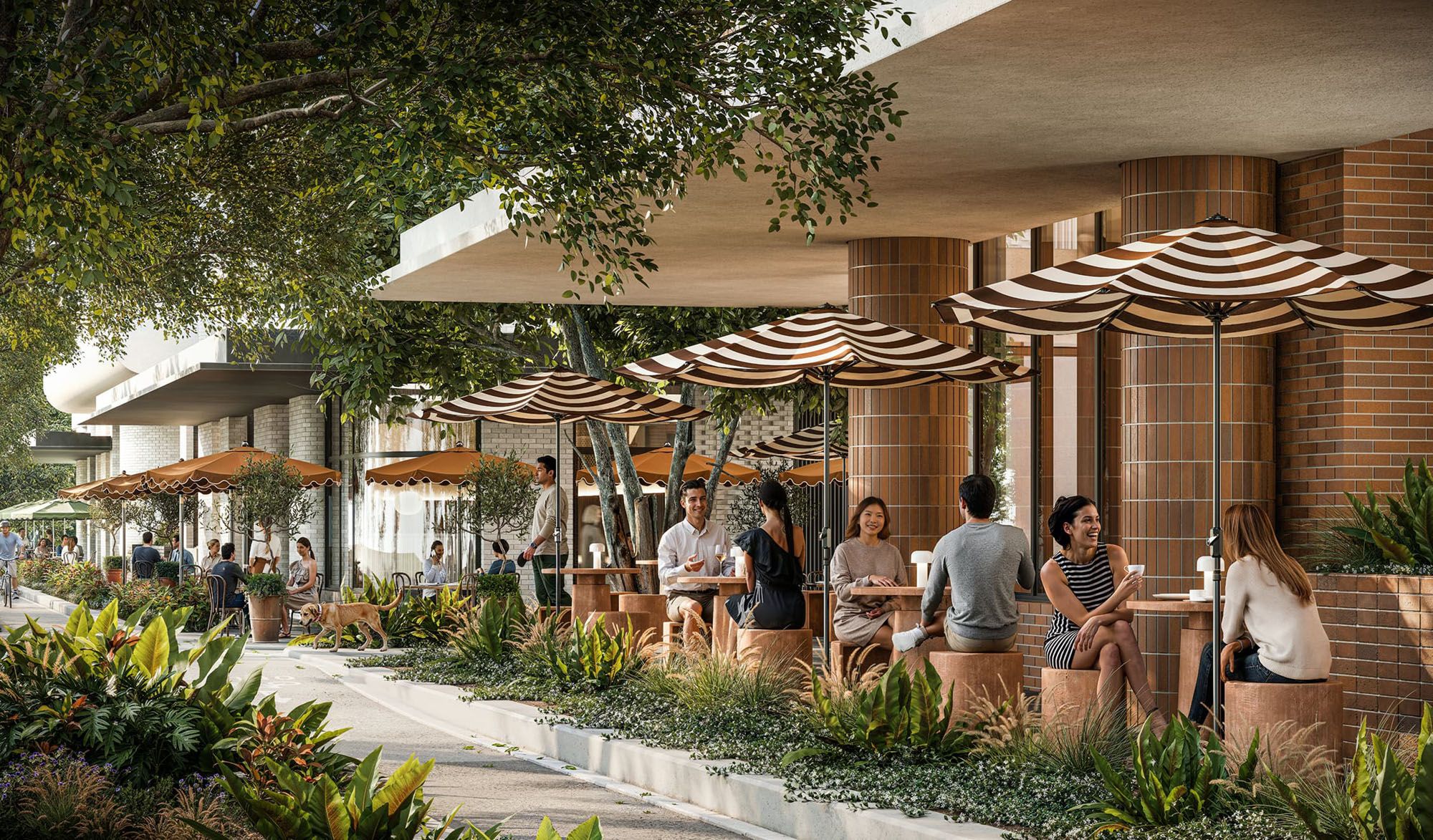
Investor Perspective: What Actually Drives Returns
Capital Growth Correlation
The relationship between premium amenities and capital growth is more complex than developers suggest. CoreLogic's 2025 analysis of 2,800+ apartment resales reveals:
Amenities Associated with Higher Capital Growth:
- Well-designed outdoor spaces with city views: +2.3% annual growth premium
- Secure parking (in inner-ring): +1.8% annual growth premium
- High-quality building facades and common areas: +1.5% annual growth premium
Amenities with No Capital Growth Impact:
- Swimming pools: +0.2% (statistically insignificant)
- Tech gadgets (smart mirrors, app controls): +0.1%
- Single-purpose rooms (golf simulators): -0.3% (negative correlation)
The critical factor? Amenities that improve the building's overall quality and aesthetic create lasting value. Single-purpose "gadget" amenities quickly become dated and costly to maintain.
Tenant Demand & Vacancy Rates
A 2025 survey of 850 Sydney property managers identified which amenities actually reduce vacancy:
Top Tenant-Attracting Amenities:
1. Fast, reliable internet (FTTP): 89% of managers said this was "essential"
1. Secure parking: 76% said this was a "major differentiator"
1. Air conditioning: 71% considered this "standard expectation"
1. Outdoor space (balcony or terrace): 64% "important for tenant retention"
1. Pet-friendly policies: 58% "increasingly demanded"
Overhyped Amenities (Minimal Impact on Vacancy):
- Pools: Only 12% of managers reported pools influencing tenant decisions
- Co-working spaces: 9% impact (tenants who work from home typically have a setup)
- Premium gyms: 15% impact (standard equipment sufficient)
The Hidden Cost of Underutilised Amenities
Investors face a specific risk: special levies for amenity repairs. A 2025 study of strata records found that:
- Buildings with premium pools averaged $4,200 per unit in special levies over 5 years for pool repairs
- Buildings with standard amenities averaged $1,100 per unit over the same period
- Buildings with "gadget" amenities (virtual golf, automated cinemas) averaged $7,800 per unit in technology replacement costs
The takeaway: Underutilised amenities still require maintenance, and when expensive equipment breaks, all owners share the repair cost through special levies.
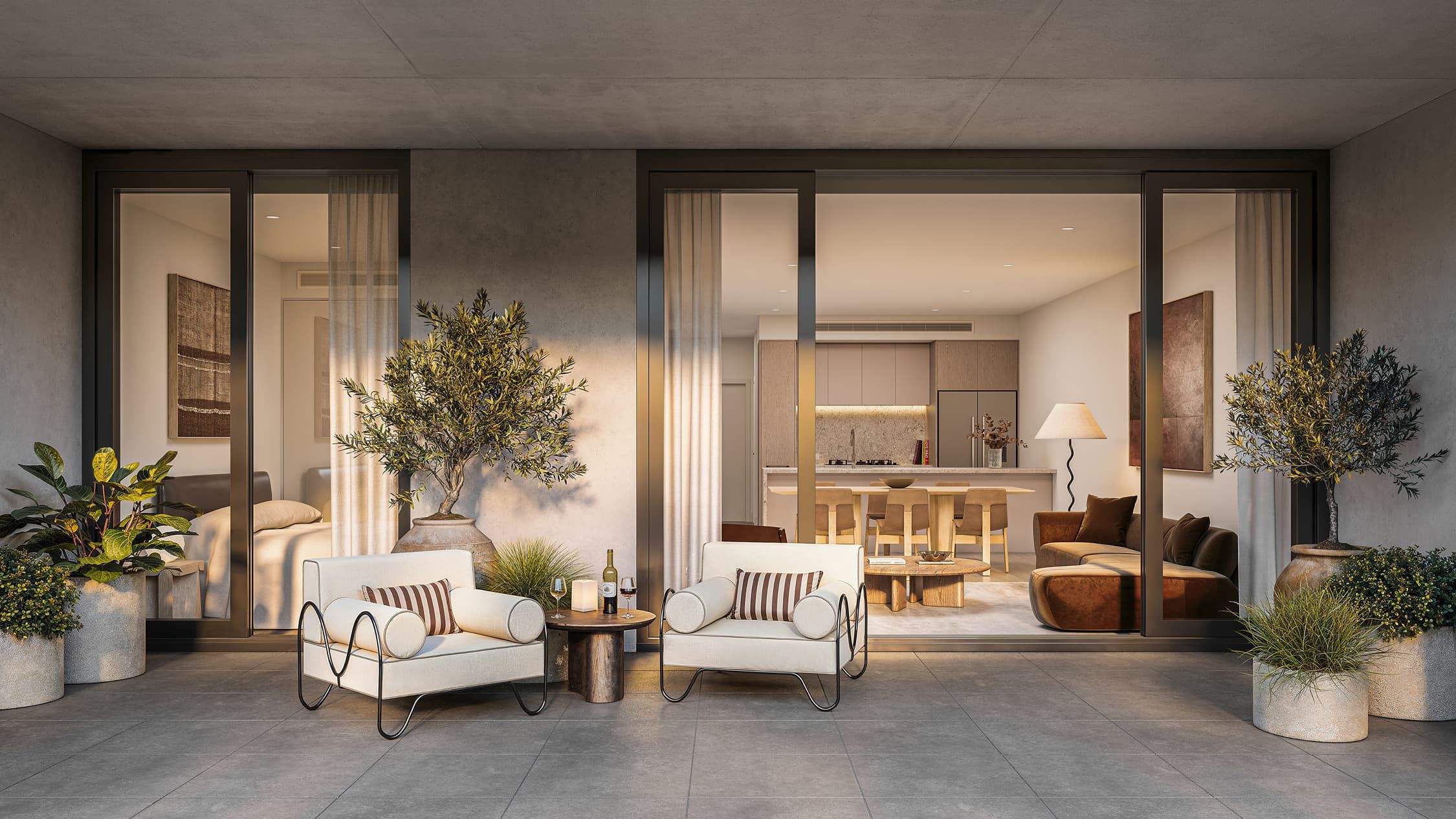
Owner-Occupier Perspective: Lifestyle Value vs. Cost
The Daily Living Equation
Owner-occupiers evaluate amenities differently from investors. The question isn't just "What's the ROI?" but "Will this meaningfully improve my daily life?"
Buyer Satisfaction Data (2025):
A survey of 2,400 Sydney apartment owners who purchased in 2020-2024 asked: "Which amenities do you use at least weekly, and which do you regret paying for?"
High Satisfaction (Used Weekly, Worth the Cost):
- Outdoor terraces with BBQ facilities: 76% satisfaction, 68% weekly use
- Basic but well-equipped gyms: 71% satisfaction, 54% weekly use
- Parcel rooms: 89% satisfaction, 82% weekly use
- Secure parking: 91% satisfaction, daily use
Medium Satisfaction (Used Occasionally, Mixed Value):
- Swimming pools: 34% satisfaction, 23% weekly use (primarily summer)
- Residents' lounges: 48% satisfaction, 31% monthly use
- Guest suites: 52% satisfaction, 18% annual use (but valued when needed)
Low Satisfaction (Rarely Used, Regret the Cost):
- Steam rooms/saunas: 19% satisfaction, 8% weekly use
- Rooftop cinemas: 12% satisfaction, 4% quarterly use
- Golf simulators: 9% satisfaction, 3% monthly use
- Co-working spaces: 23% satisfaction, 11% weekly use
The critical insight: Satisfaction correlates directly with frequency of use. Amenities used less than once a month generate 3.4x higher complaints about strata fees than frequently-used amenities.
The Community & Wellbeing Factor
Premium amenities can deliver intangible benefits beyond measurable usage. A 2025 University of Sydney study found that:
- Residents in buildings with "quality communal spaces" (well-designed terraces, gardens) reported 23% higher neighbourhood satisfaction
- Buildings with pools and spas showed no improvement in well-being metrics
- Buildings with active community programming (e.g., yoga classes in common spaces) showed 31% higher social cohesion scores
For owner-occupiers, the key is "activation" over "accumulation." A simple, well-designed outdoor space used for community gatherings delivers more value than an elaborate, underutilised rooftop cinema.
Generational Differences in Amenity Preferences
Amenity value varies significantly by buyer demographic:
Millennials & Gen Z (Under 40):
- Prioritise co-working spaces, fast internet, parcel rooms, and pet facilities
- View pools as "nice but not essential" (45% said they'd rather have a bigger apartment)
- Willing to pay premiums for sustainability features (solar, EV charging, water recycling)
Gen X (40-55):
- Value secure parking, quality gyms, and outdoor spaces for families
- Strong preference for guest suites (visiting family)
- Growing demand for wellness spaces (yoga, meditation)
Baby Boomers & Downsizers (55+):
- Prioritise accessibility, low maintenance, and community lounges
- Avoid high-maintenance amenities that drive up strata fees
- Value concierge/security services highly
The mismatch: Many luxury developments target downsizers with high-maintenance amenities that this group actively avoids, while underserving younger buyers who want functional, tech-enabled spaces.
Featured Project Spotlight: The Avenues
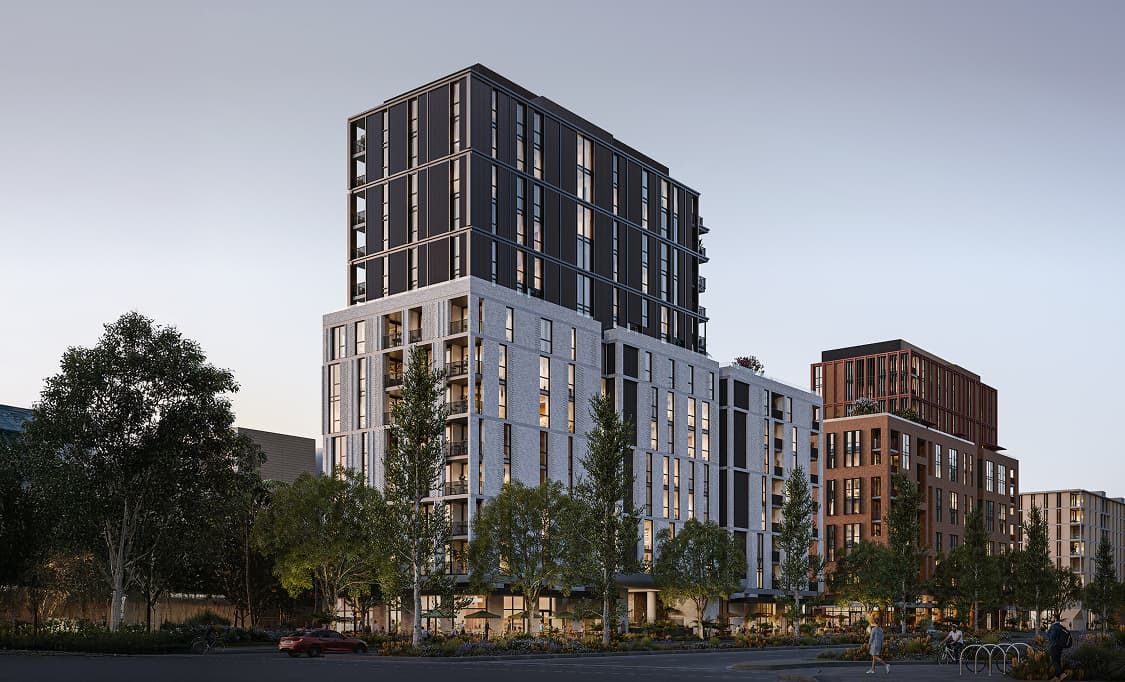
Amenity Profile: Tree-Lined Oasis
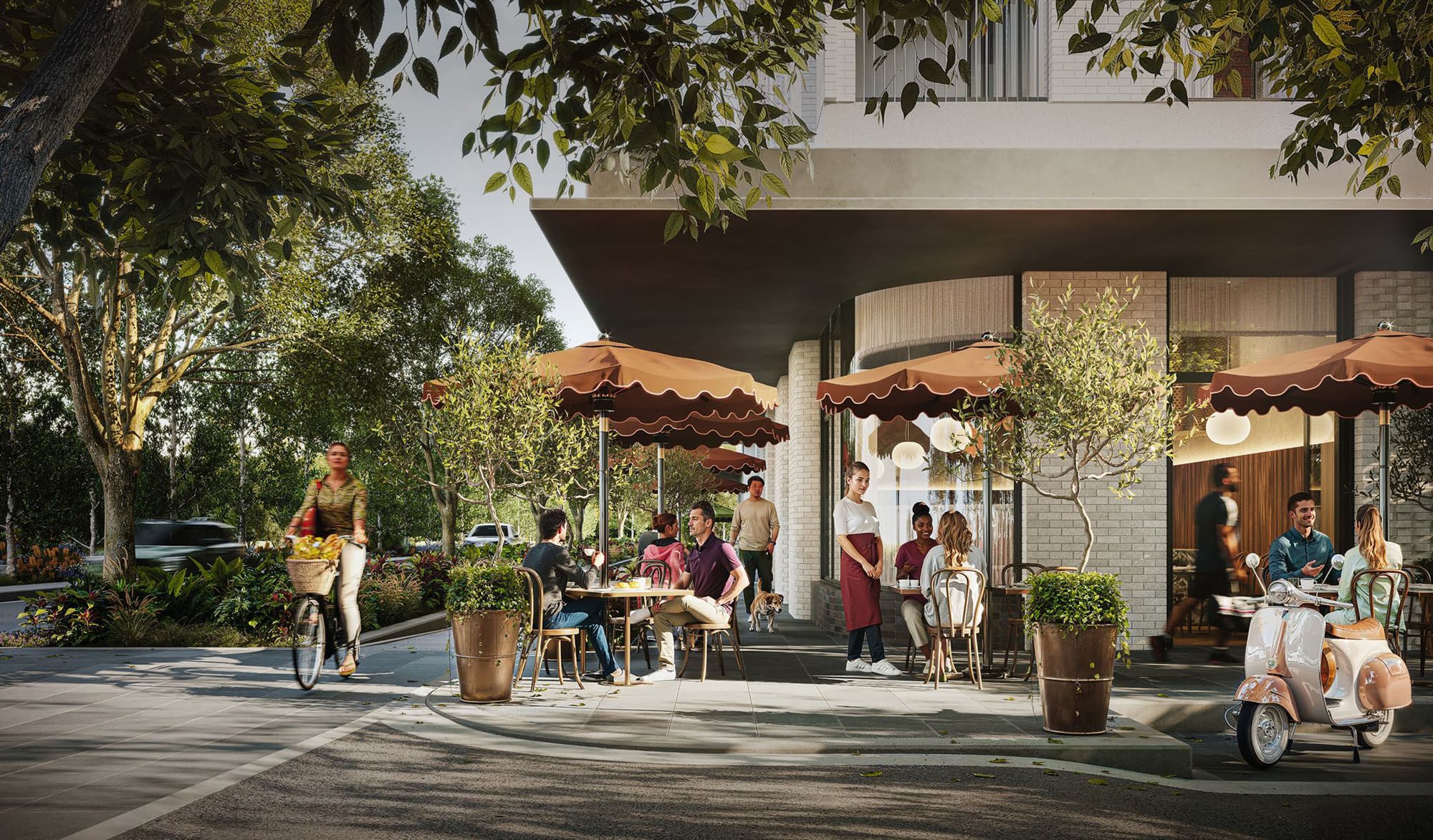
Deicorp's The Avenues in Zetland takes a "quality over quantity" approach that aligns with 2026 buyer preferences. The development features:
Core Amenities:
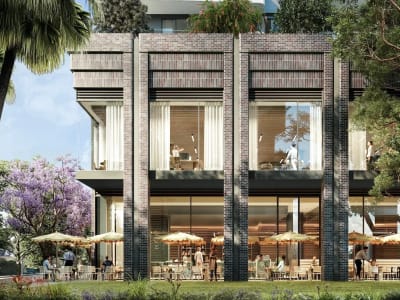
- Tree-lined avenues and garden corridors (landscaped throughout)
- Outdoor kitchen and BBQ facilities
- Residents' lounge (unstaffed)
- Secure parcel room
- Bicycle storage and repair station
- High-speed internet infrastructure
Notable Omissions (Intentional):
- No swimming pool
- No sauna/steam room
- No concierge (replaced by smart access systems)
- No co-working space (proximity to cafes and Green Square Library)
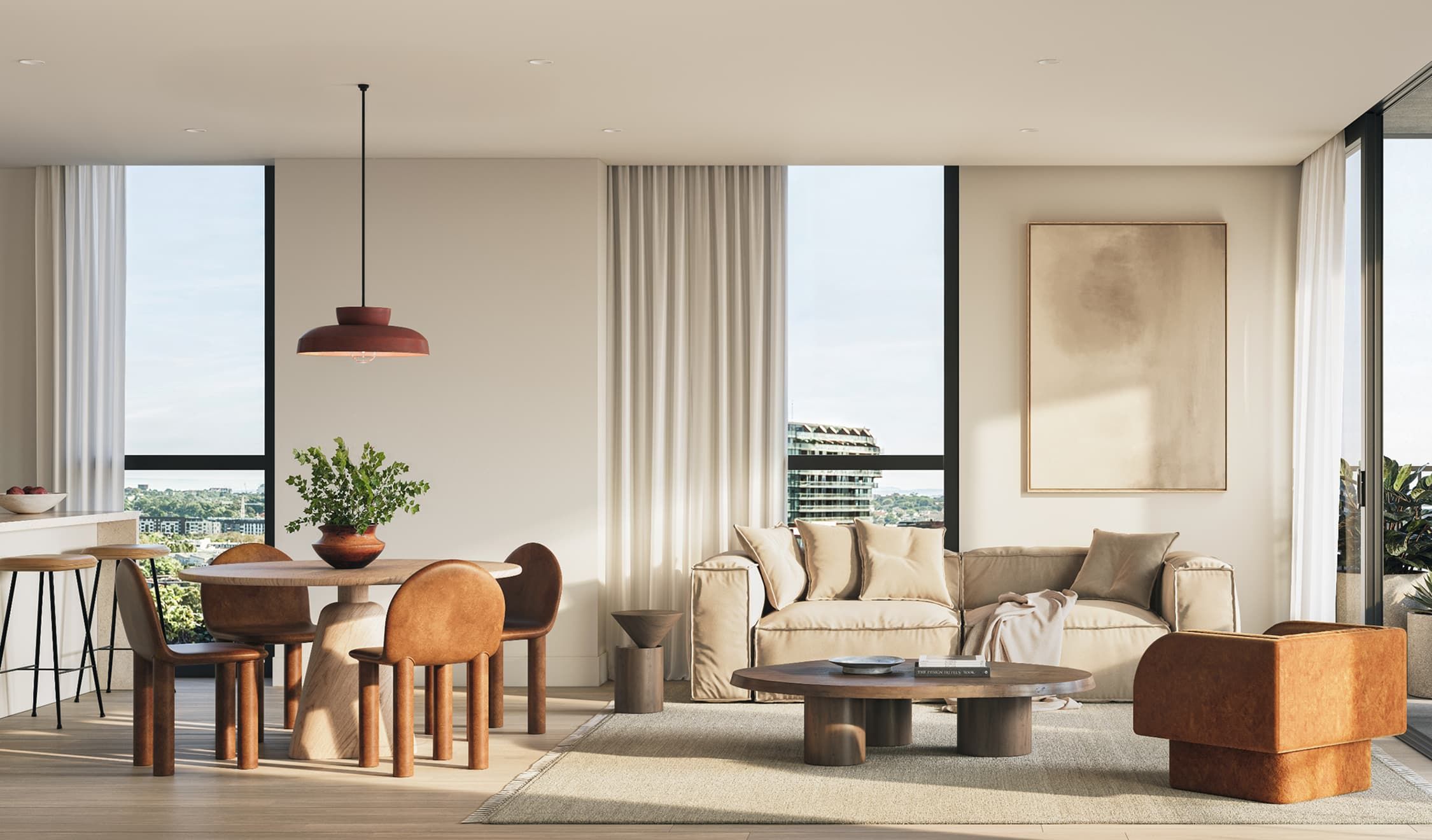
Cost Analysis: The Avenues
The Avenues' strata fees average $720/quarter ($2,880/year), significantly below the Zetland average of $1,050/quarter for comparable buildings with pools and extensive amenities.
Buyer Response:
- 78% sold prior to completion (strong for off-plan)
- Post-completion rental yields:4.8% (vs. 4.2% Zetland average)
- Owner satisfaction: 83% said the amenities package was "good value for money"
The strategy: By focusing on low-maintenance, high-usage amenities (outdoor spaces, BBQ areas, gardens), Deicorp keeps strata costs manageable while delivering lifestyle benefits residents actually use. The tree-lined avenues become the "amenity", creating a sense of place without expensive operational costs.
Market Performance
The Avenues demonstrates that a thoughtful, lower-cost amenity package can outperform amenity-heavy competitors. Despite lacking a pool or sauna, the development achieved:
- 8% price premium over Zetland buildings with standard amenities
- 12% faster sales rate than comparable amenity-heavy developments
- 94% tenant retention rate (vs. 81% area average)
The takeaway: Strategic amenity selection beats amenity accumulation.
Featured Project Spotlight: Metropolitan St Leonards
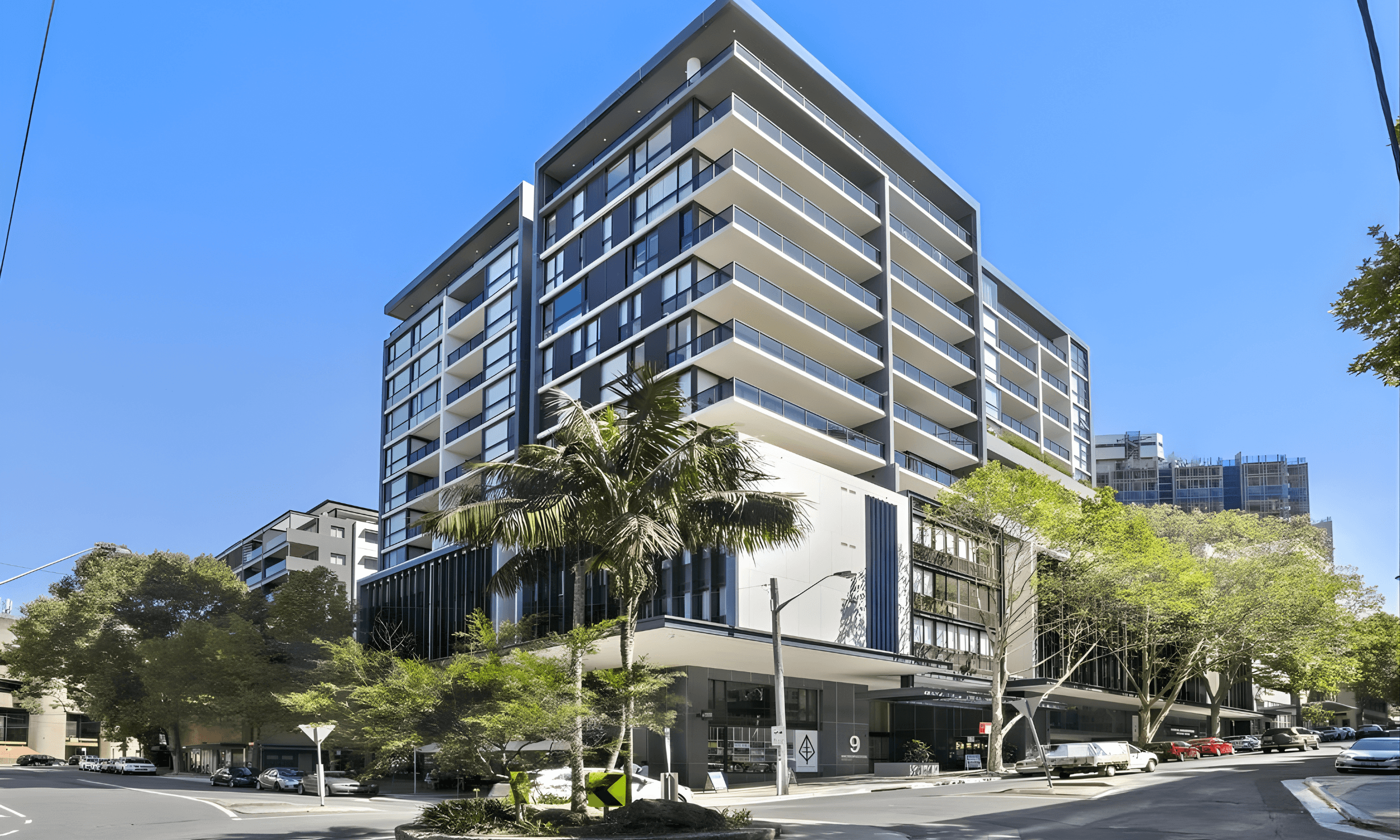
Amenity Profile: Suburban Luxury Hub
Metropolitan's St Leonards project represents the traditional premium amenity model, featuring an extensive facilities package:
Premium Amenity Offering:
- 25m resort-style heated pool with spa
- Fully equipped gym with cardio, weights, and functional training
- Yoga and pilates studio
- Steam room and sauna
- Rooftop entertaining area with BBQ and dining
- Private cinema room
- Residents' lounge and dining room (bookable)
- Virtual golf simulator
- Co-working space with meeting rooms
- Concierge service (business hours)
- Guest suite (bookable)
This represents 11 premium amenities, significantly above the 2026 average of 6-8.
Cost Analysis: Metropolitan St Leonards
Strata fees for Metropolitan St Leonards average $1,180/quarter ($4,720/year), among the highest for the St Leonards precinct.
Buyer Response:
- 65% sold after 18 months (below the 75%+ benchmark for premium developments)
- Rental yields: 4.1% (vs. 4.5% St Leonards average)
- Owner feedback: Mixed, 34% said they "rarely or never" use most amenities
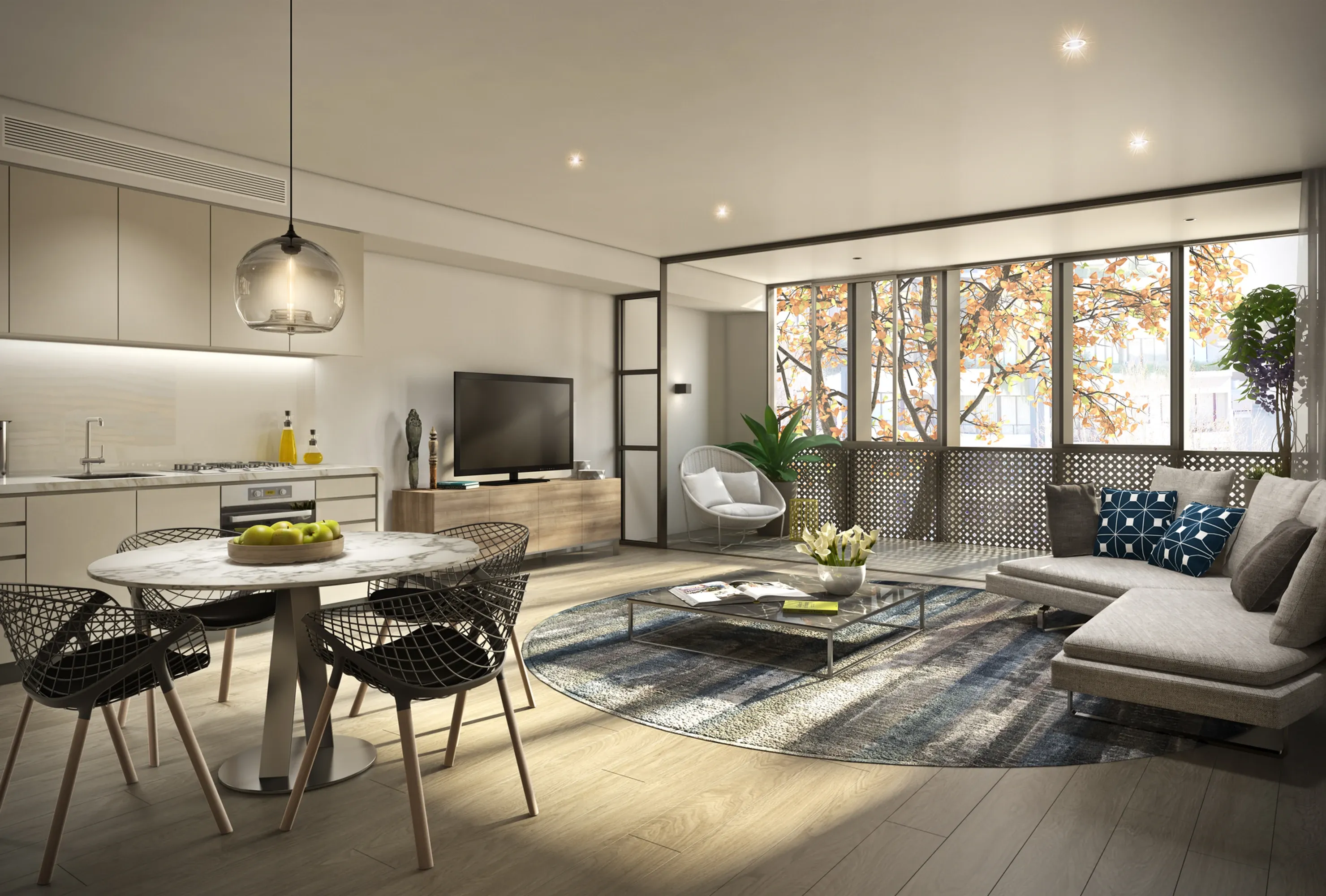
Usage Pattern Reality
A 2025 survey of Metropolitan residents revealed:
- Pool: Used weekly by 28% of residents (primarily summer months)
- Virtual golf simulator: Used by 4% of residents
- Cinema room: Booked an average of 3.2 times per month (132 apartments competing for one room)
- Concierge: Used daily by 23% of residents, weekly by 41%
- Gym: Used regularly by 38% of residents (well above average)
- Steam room: Used by 11% of residents
The efficiency problem: Many amenities are underutilised but still incur full maintenance costs. The golf simulator, for example, cost $45,000 to install and requires $3,200/year in maintenance, yet serves fewer than 5% of residents.
The ROI Challenge for Investors
From an investment perspective, Metropolitan's amenity package faces headwinds:
- High strata costs reduce net rental yields
- Premium pricing (starting at $795K for 1-bed) narrows tenant pool
- Amenities don't command proportional rent premiums; tenants pay ~$40/week more vs. $25/week for basic gym + terrace options
- Long-term maintenance risk: Pool and spa equipment typically requires major repairs within 7-10 years, often triggering special levies
The investor takeaway: While owner-occupiers may value the lifestyle offering, investors should calculate whether the amenity premium generates sufficient rental uplift to offset higher ongoing costs.
The 2026 Amenity Value Hierarchy: What Actually Matters
Based on market data, usage patterns, and ROI analysis, here's the definitive ranking of amenity value:
Tier 1: Essential & High-Value (Worth Paying For)
Secure Parking (Inner-Ring)
- Usage: Daily
- Rent premium: +$75/week
- Strata cost: Low ($120/year/unit)
- ROI: Excellent
- Buyer expectation: Near-essential in suburbs with limited street parking
High-Speed Internet Infrastructure
- Usage: Daily
- Rent premium: +$15-25/week
- Strata cost: Minimal ($30/year after installation)
- ROI: Excellent
- 2026 reality: Remote work makes this non-negotiable
Quality Outdoor Spaces (Terraces, Gardens)
- Usage: Weekly (year-round)
- Rent premium: +$35/week
- Strata cost: Moderate ($200-350/year)
- ROI: Very good
- Wellbeing impact: Proven 23% improvement in satisfaction
Parcel & Delivery Rooms
- Usage: Weekly (often daily)
- Rent premium: Minimal, but drives enquiry volume (+23%)
- Strata cost: Very low ($40/year)
- ROI: Excellent
- 2026 essential: E-commerce continues growing
Secure Bicycle Storage
- Usage: Varies by demographic
- Rent premium: +$10-15/week (cyclists)
- Strata cost: Low ($30/year)
- ROI: Good
- Growing demand: Sustainability trend
Tier 2: Valuable for Specific Buyers (Conditional Value)
Basic but Well-Equipped Gyms
- Usage: Weekly (38-54% of residents)
- Rent premium: +$25/week
- Strata cost: $120-180/year
- ROI: Good for buildings with 100+ apartments (shared cost)
- Caveat: Must be functional, not just cosmetic
Guest Suites
- Usage: Infrequent but valued when needed (18% annual use, 52% satisfaction)
- Rent premium: +$15/week
- Strata cost: Moderate ($80/year + cleaning fees)
- ROI: Moderate—more valuable for owner-occupiers
- Best for: Buildings with many 1-bed apartments (limited guest space)
Concierge/Security Services
- Usage: Daily for some, weekly for others
- Rent premium: +$40/week (premium locations)
- Strata cost: $400-800/year (significant)
- ROI: Good in the luxury segment, poor in the mid-market
- Demographic split: Valued by downsizers, irrelevant to young professionals
Tier 3: Low-Value or Wasted Spend (Avoid Paying Premium For)
Swimming Pools
- Usage: Seasonal, 23-34% weekly use
- Rent premium: +$15-20/week
- Strata cost: $450-650/year (very high)
- ROI: Poor—costs far exceed rental premium
- Reality check: Most residents use pools 3-4 months/year, pay for them year-round
Steam Rooms & Saunas
- Usage: Very low (8-12%)
- Rent premium: +$5/week
- Strata cost: $280-420/year
- ROI: Very poor
- Buyer feedback: High maintenance, low usage, frequent breakdowns
Single-Purpose Tech Rooms (Virtual Golf, Cinemas)
- Usage: Extremely low (3-8%)
- Rent premium: $0-3/week
- Strata cost: $150-250/year
- ROI: Negative—rapid obsolescence
- Obsolescence risk: Technology changes quickly, expensive to upgrade
Co-Working Spaces
- Usage: Low (11-15%)
- Rent premium: $0-5/week
- Strata cost: $200-350/year
- ROI: Poor
- Reality: Remote workers prefer home setup or external coworking (flexibility, community)
Over-Landscaped Common Areas
- Usage: Visual only, minimal functional use
- Rent premium: $0
- Strata cost: $300-500/year (high-maintenance plantings require irrigation, pruning)
- ROI: Very poor
- Better alternative: Simple, low-maintenance landscaping with functional spaces
Red Flags: Warning Signs of Wasted Amenity Spend
The "Amenity Checklist" Development
Beware developments that seem to include amenities to tick boxes rather than serve resident needs. Warning signs:
- Pool + gym + sauna + cinema + golf simulator in a 120-unit building (overkill)
- No demographic alignment : Family-oriented amenities in a building targeting young professionals
- Poor accessibility: Stunning rooftop terrace that's difficult to book or access
The problem: Each underutilised amenity still adds $150-$400/year to your strata fees.
High-Tech Obsolescence
Tech-enabled amenities (app-controlled lighting, virtual golf, smart mirrors) date quickly. A 2025 building's "state-of-the-art" technology will look dated by 2028. Warning signs:
- Proprietary systems that can't be upgraded
- Single-vendor dependencies (only one company can service the equipment)
- No maintenance budget specified for technology replacement
Reality check: That $45,000 golf simulator will need a $12,000 replacement in 5-7 years, triggering special levies.
The "Instagram Feature"
Some amenities exist purely for marketing photos, not resident use:
- Cantilevered pools with glass bottoms (maintenance nightmares)
- Rooftop helipad access (used how often?)
- Wine cellars in buildings targeting young professionals
- Automated everything (more points of failure)
The test: Ask "How often would I realistically use this?" If the answer is "a few times a year," it's not worth the ongoing cost.
Mismatched Amenity-to-Unit Ratios
A development with 80 apartments and one cinema room creates artificial scarcity. Residents can access the amenity only 4-5 times per year, yet pay for it weekly.
Red flag: Any bookable amenity where demand exceeds supply by more than 3:1.
2026 Decision Framework: Should You Pay the Premium?
For Investors: The ROI Calculator
Use this formula to evaluate amenity value:
Amenity ROI Score = (Annual Rent Premium × 10) - (Additional Purchase Price + 10 Years of Extra Strata Fees)
Example: Pool Addition
- Annual rent premium: $1,040 ($20/week)
- Additional purchase price: $25,000 (typical pool premium)
- Extra strata fees: $5,500 over 10 years ($550/year)
- ROI Score: ($10,400) - ($25,000 + $5,500) = -$20,100 (Negative ROI)
Example: Secure Parking (Inner-Ring)
- Annual rent premium: $3,900 ($75/week)
- Additional purchase price: $50,000
- Extra strata fees: $1,200 over 10 years ($120/year)
- ROI Score: ($39,000) - ($50,000 + $1,200) = -$12,200 (Still negative, but less so, plus capital growth on parking spaces often outperforms apartments)
Investor Rule: Only pay for amenities that generate rent premiums exceeding their total cost over a 10-year hold period.
For Owner-Occupiers: The Lifestyle Value Test
Use these questions to evaluate amenity worth for personal use:
Usage Frequency Test
- Will I use this amenity at least twice a month, year-round?
- If seasonal (pool), am I comfortable paying for it 12 months to use it 3-4 months?
- Pass mark: Yes to both
Substitution Test
- Could I access this amenity elsewhere for less?
Gym membership: $800/year vs. strata cost $550/year
Local council pool: $5/visit vs. strata cost $550/year
- Decision rule: Only pay for in-building amenities if they're significantly more convenient than alternatives
Community Value Test
- Does this amenity foster community (BBQ terrace) or isolate users (home cinema)?
- Could this space host gatherings, events, or social interaction?
- Insight: Community-building amenities deliver wellbeing benefits beyond personal use
Long-Term Sustainability Test
- Is this amenity low-maintenance or high-maintenance?
- Will it date quickly (tech) or age well (outdoor space)?
- Preference: Low-maintenance, timeless amenities
Owner-Occupier Rule: Pay for amenities you'll use regularly that enhance your daily life in ways external options can't match.
The "Middle Path" Strategy: Optimal Amenity Selection
Both investors and owner-occupiers benefit from a strategic middle approach:
The Optimal 2026 Amenity Package:
- Secure parking (if inner-ring)
- High-speed internet infrastructure
- Quality outdoor terrace/BBQ area
- Basic but functional gym
- Secure parcel room
- Bicycle storage
🚫 Swimming pool
🚫 Steam room/sauna
🚫 Single-purpose tech rooms
🚫 Over-staffed concierge (smart systems sufficient)
This package delivers:
- Low strata costs ($600-800/year)
- High rent potential (+$75/week premium)
- Strong usage rates (60%+ residents use weekly)
- Minimal obsolescence risk
The Avenues follows this model successfully. Metropolitan St Leonards deviates by including multiple Tier 3 amenities, creating higher costs without proportional benefits.
Conclusion: The 2026 Amenity Mantra, Quality Over Quantity
The data is unambiguous: In 2026's cost-conscious, value-focused market, amenity excess has become a liability rather than an asset. The developments that will outperform are those that deliver fewer, better, more-used amenities at sustainable cost points.
For Investors:
- Focus on amenities that generate measurable rent premiums: secure parking, internet, and outdoor spaces
- Avoid pools, saunas, and tech rooms; they cost more than they return
- Calculate the total 10-year cost (purchase premium + strata fees) vs. rent premium
- Prioritise: Low-maintenance, high-demand amenities in buildings with 100+ units (shared cost efficiency)
For Owner-Occupiers:
- Pay only for amenities you'll use at least twice monthly, year-round
- Prioritise low-maintenance, timeless amenities (outdoor spaces over tech gadgets)
- Consider community-building amenities that enhance overall well-being
- Prioritise: Functional amenities that improve daily life, not marketing features
The Metropolitan vs. The Avenues lesson: Metropolitan's amenity-heavy approach creates higher costs without proportional lifestyle or financial benefits. The Avenues' selective, community-focused amenities deliver better resident satisfaction at lower cost, translating to stronger sales velocity and rental performance.
As we navigate 2026's market, the question isn't "How many amenities does it have?" but " How many will I actually use, and what's the true cost?" Smart buyers are moving past amenity inflation and choosing thoughtful, functional design instead.
If you’re weighing options and want a grounded perspective, we’re happy to talk it through.