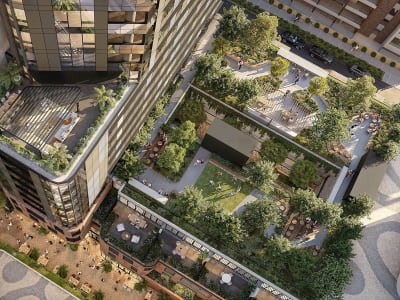
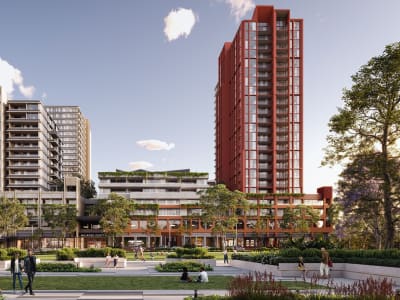
Discover how Sydney Metro expansion is creating measurable capital growth premiums, with apartments near stations commanding 24.4% price premiums. Strategic analysis of two distinct investment positions: established Northwest Metro at Cielo Epping versus CBD Metro beneficiary Hyde Metropolitan.
Sydney's $50 billion Metro expansion isn't merely changing how residents navigate the city—it's fundamentally recalibrating property value equations. For infrastructure-focused investors, this represents one of the most compelling capital growth opportunities of the decade, with data revealing apartments within 400-1,000 metres of Metro stations commanding premiums of up to 24.4% compared to equivalent properties further afield.
The mechanism is straightforward: infrastructure investment reduces friction, expands catchments, and creates sustained demand from both owner-occupiers and tenants. But the nuance lies in timing. Understanding where each Metro line sits in its development lifecycle—from announcement through construction to operational maturity—determines both risk profile and return potential.
The Metro Premium: Quantifying Infrastructure-Led Capital Growth
Research quantifying Sydney Metro's property value impact reveals a clear and substantial premium. Data from CoreLogic and independent analysts shows apartments in primary and secondary catchments of Phase 2 Metro stations carry median values around $1.42 million—approximately $550,000 higher than Greater Sydney's median, representing a 63% premium.
Academic Validation: The Northwest Metro Case Study
A 2019 study in the Journal of Transport Geography examined Sydney's Northwest Metro (now Phase 1) and found properties within 1km of new stations experienced value uplifts of 4.5-11% during the construction phase alone, with further appreciation following operational launch. The research identified two distinct inflection points: announcement (2008-2012) and construction (2013-2019), with the latter delivering more consistent, measurable gains.
Critically, the study revealed that proximity premiums compound. Properties within 400m of stations commanded the highest premiums, but those in the 400m-1km band—where supply is typically greater—delivered superior investment returns due to lower entry costs and higher rental yields.
Current Market Realities: Metro West and Southwest Impact
The emerging Metro West (Parramatta to Sydney CBD) and Southwest (Bankstown line conversion) projects are creating similar value trajectories. Early data indicate:
- 24.4% premium for units within 400-1,000m of new stations compared to equivalent properties 2km+ away
- 16.6% premium for houses in the same catchment zones
- Rental yields 0.8-1.2 percentage points higher for station-proximate apartments
These premiums reflect both current amenity and future certainty. Once a Metro station is confirmed and funded, the area's long-term connectivity is essentially guaranteed—a factor that becomes increasingly valuable as Sydney's road network faces mounting congestion.
The Paradox of High Premiums and Slower Growth
Recent analysis reveals a nuanced paradox: while Metro-proximate properties command significant premiums, their annual capital growth rates have recently trailed the broader Sydney market. This isn't a sign of weakness—it's a mathematical function of starting valuations. When median unit values near new stations already sit at $1.42 million ($550k above city median), achieving 10% annual growth requires an additional $142,000 appreciation versus $87,000 for a median-priced apartment.
For investors, this creates a strategic consideration: established Metro corridors offer stability and premium rents but may deliver lower percentage growth, while emerging corridors present higher upside potential at the cost of greater uncertainty.

Catching the Wave: Investment Timing Across Metro Development Phases
Infrastructure investment follows a predictable three-phase lifecycle, each offering distinct risk-return profiles for property investors.
Phase 1: Announcement and Planning (Highest Risk, Highest Reward)
During the announcement phase—typically 3-7 years before operational launch—properties in proposed corridors experience speculative pricing. Values can increase 15-25% purely on announcement, but risks include:
- Funding uncertainty
- Route modifications
- Extended timelines
- Potential project cancellation
Historical Northwest Metro data shows investors who purchased during the announcement (2008-2012) achieved total returns of 85-120% by 2020, but those who mistimed exit strategies faced 3-5 year holding periods with flat or negative growth during funding uncertainty periods.
Phase 2: Construction (Moderate Risk, Growing Certainty)
The construction phase delivers more predictable appreciation as tangible infrastructure creates confidence. Properties within 400m of active construction sites typically see 6-12% annual appreciation, accelerating as completion approaches.
Key metrics during this phase:
- Yield compression: Rental yields may compress as capital values rise faster than rents
- Infrastructure visibility: Physical presence reduces perceived risk
- Timeline certainty: Construction milestones provide clearer exit timing
Phase 3: Operational (Lower Risk, Premium Rents, Moderate Growth)
Once Metro lines become operational, proximity premiums are fully priced in. Properties deliver:
- Sustained occupancy rates (typically 2-4% higher than area averages)
- Premium rents (8-15% above non-proximate equivalents)
- Stable, moderate capital growth (4-6% annually in established markets)
The strategic opportunity here isn't speculative capital gain—it's securing high-quality assets that outperform during market downturns due to superior tenant demand.
Current Metro Line Investment Positioning
Northwest Metro (Chatswood to Tallawong): Fully operational since May 2019. Premiums are established but stable. Best suited for yield-focused investors seeking quality assets with proven tenant demand.
Metro City & Southwest (Chatswood to Bankstown): Under construction, due 2024-2025. Construction-phase premiums are being priced in now. Moderate risk with strong near-term growth potential as completion approaches.
Metro West (Westmead to Sydney CBD): Early construction phase. Represents the highest growth potential but with corresponding uncertainty around final station locations and timeline.
Station-Proximate Investment Opportunities: Two Strategic Positions
For infrastructure-focused investors, selecting the right asset at the right Metro lifecycle stage is critical. Two distinct opportunities currently present compelling, albeit different, risk-return profiles.
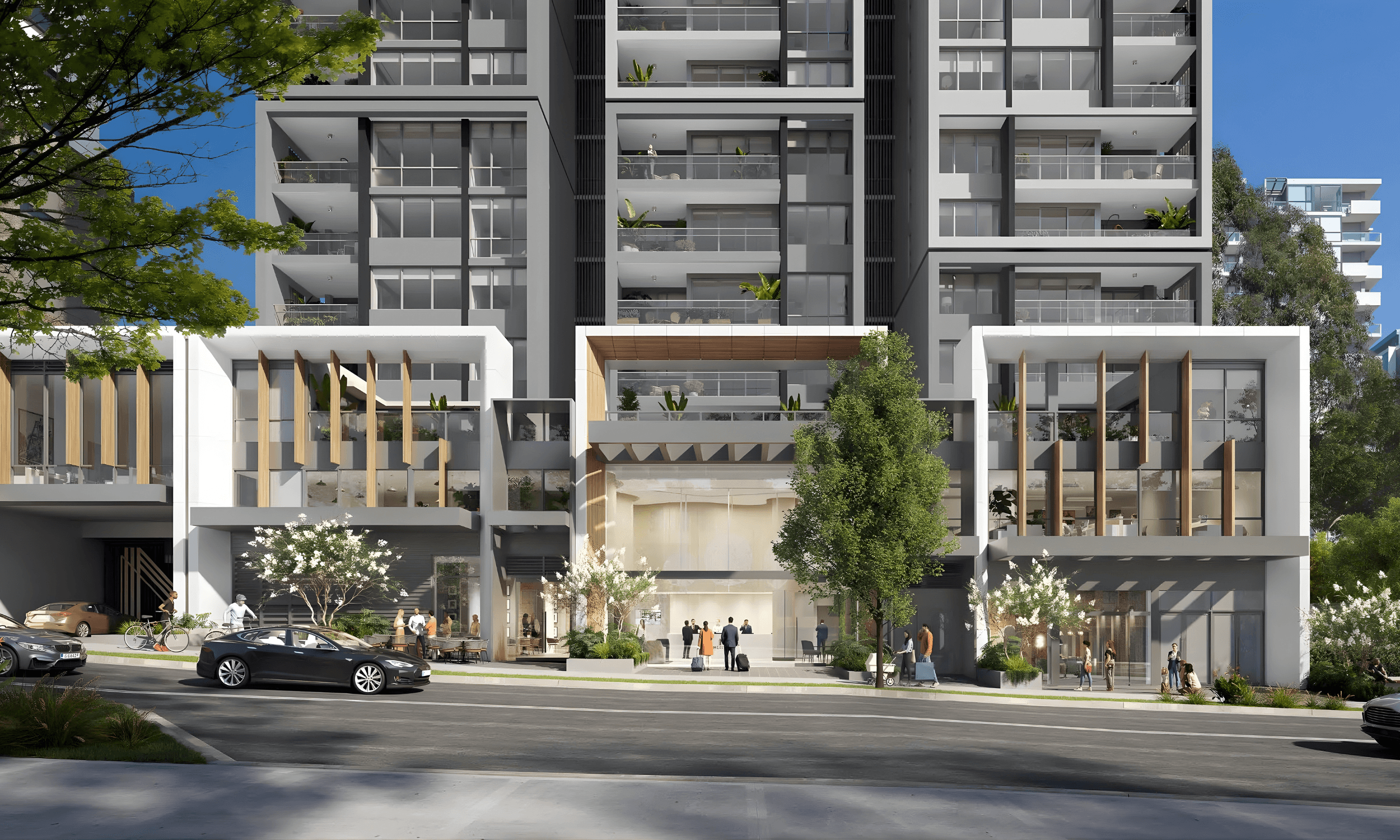
Cielo Epping: Established Connectivity, Proven Premium
Located 250 metres from Epping Station on the fully operational Northwest Metro, Cielo represents the mature-phase Metro investment thesis: a stable, income-producing asset in an established premium corridor.
Strategic Advantages:
- Operational Metro connectivity: Direct 12-minute services to Chatswood, 30 minutes to Sydney CBD via connection at Chatswood
- Established premium: Apartments in Epping's Metro catchment already command 18-22% premiums over non-proximate comparables
- Strong rental demand: Vacancy rates in Epping's Metro catchment sit at 1.8% versus 3.2% area average
- Meriton quality: Australia's most experienced developer with a 100% completion record
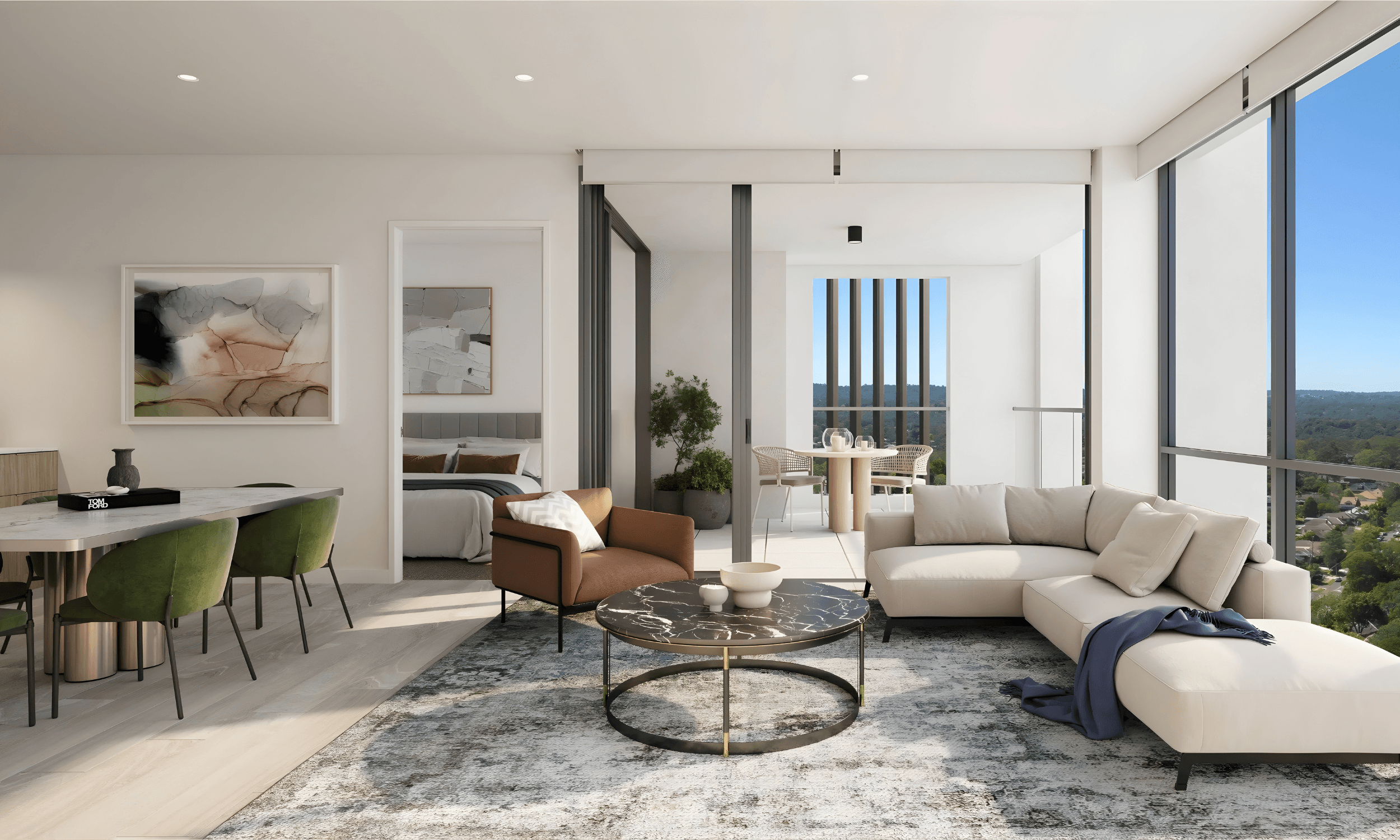 Investment Metrics:
- Completion: Early 2026 (construction advanced, reducing off-plan risk)
- Pricing: One-bedroom from $754,000; two-bedroom from $959,000; three-bedroom from $1,658,000
- Target demographic: Professionals working in Macquarie Park (8 minutes), Chatswood (12 minutes), or Sydney CBD (30 minutes)
- Risk profile: Low-to-moderate. Metro premium established, focus on rental yield and moderate capital growth
The Investment Case: Cielo suits investors prioritising income stability in a proven Metro corridor. The Northwest Metro's operational maturity means connectivity premiums are locked in, with rental demand underpinned by Macquarie Park's 40,000+ professional workforce and major health/education precincts. Expect 4.5-5.5% gross yields and 5-7% annual capital growth as the area matures.
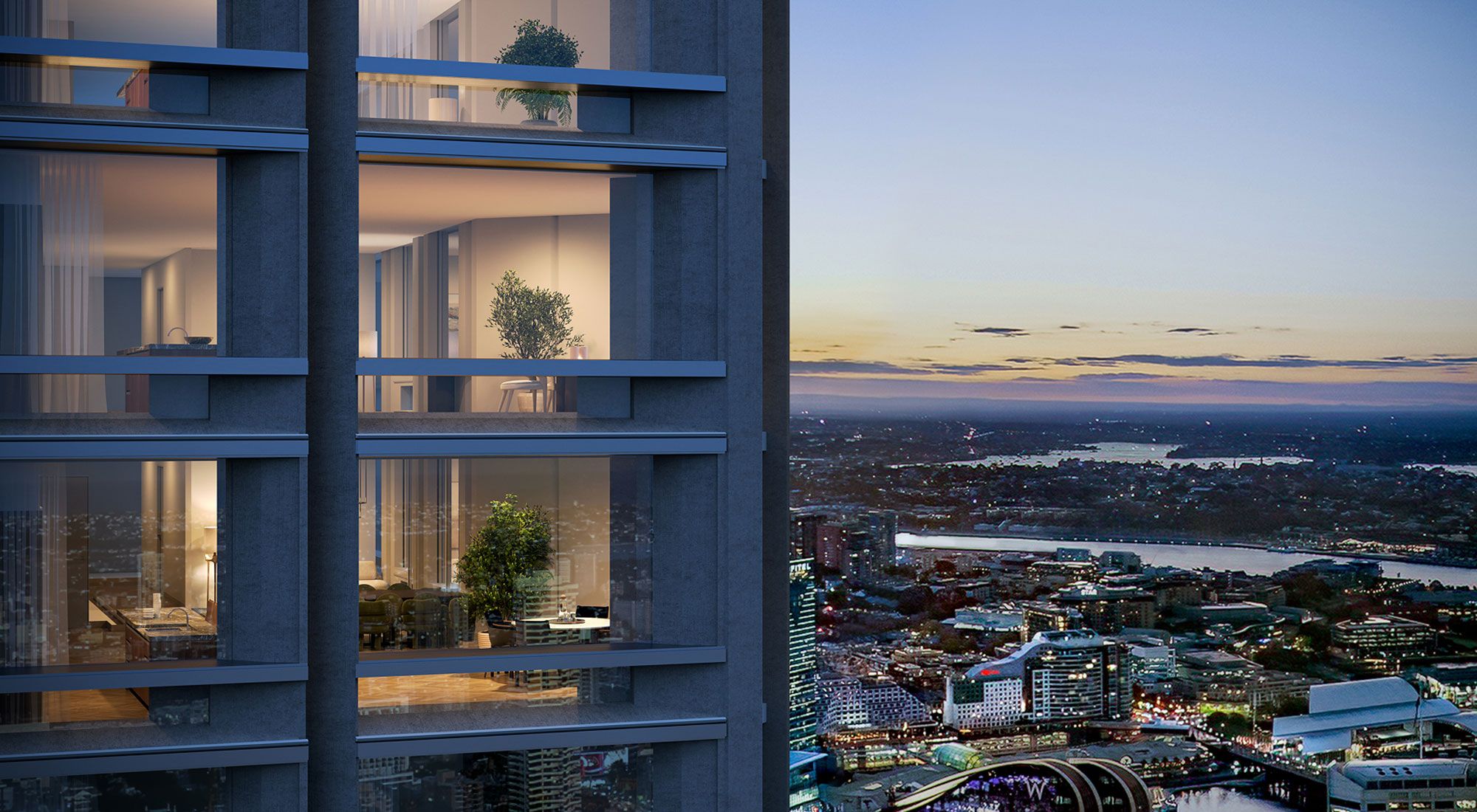
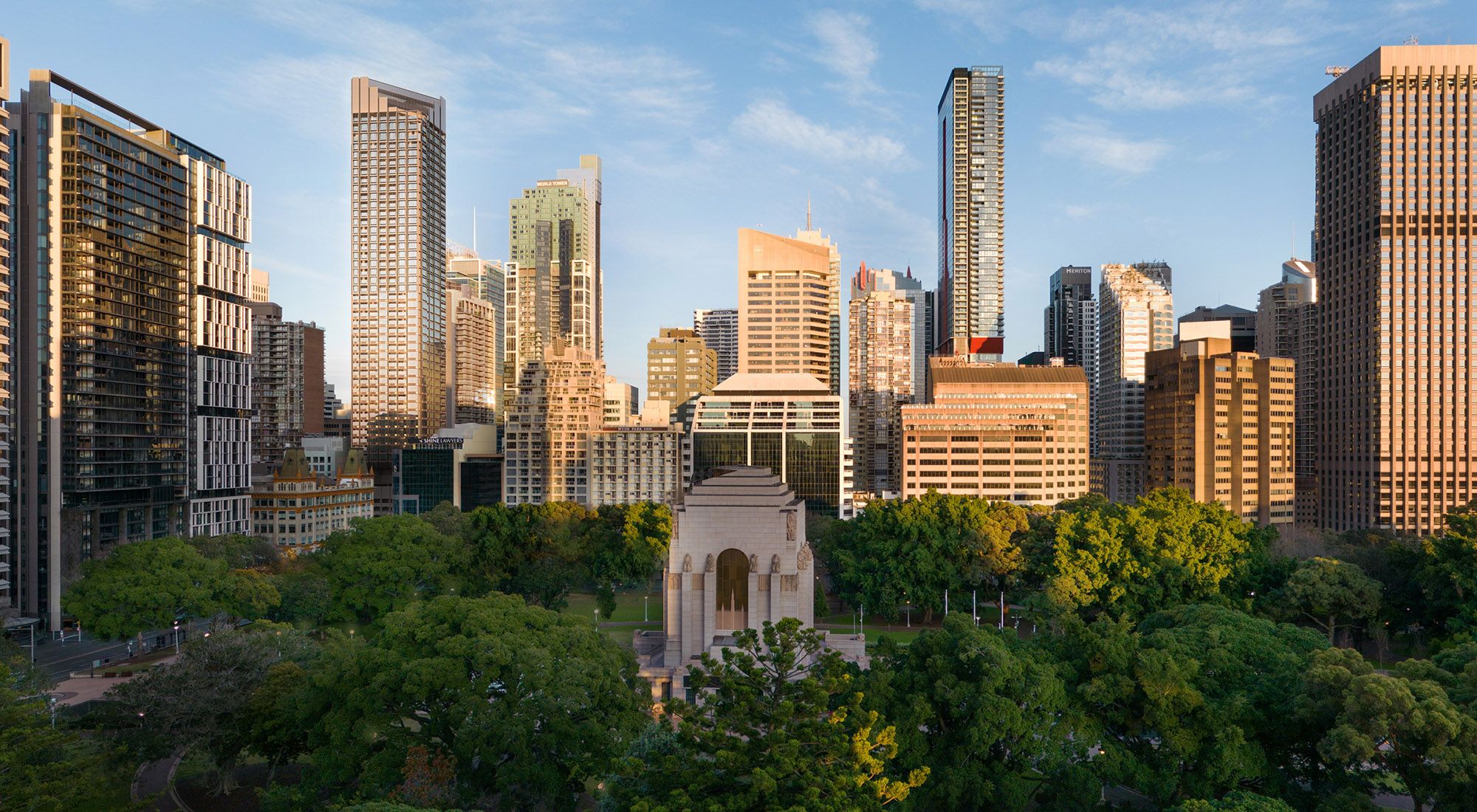
Hyde Metropolitan: CBD Metro Expansion Meets Renewal
In Sydney's CBD, Hyde Metropolitan presents a contrasting opportunity: a luxury tower positioned to benefit from multiple converging infrastructure initiatives, including Metro expansion, CBD revitalisation, and the Tech Central innovation precinct.
Strategic Advantages:
- CBD Metro integration: Walking distance to Museum Station and the new Gadigal Metro, providing rapid connectivity across Sydney
- Multiple infrastructure catalysts: Benefits from Metro expansion, CBD renewal, and Tech Central proximity
- Scarcity premium: Limited new supply in premium CBD locations
- Candalepas design: Award-winning architect delivering landmark quality
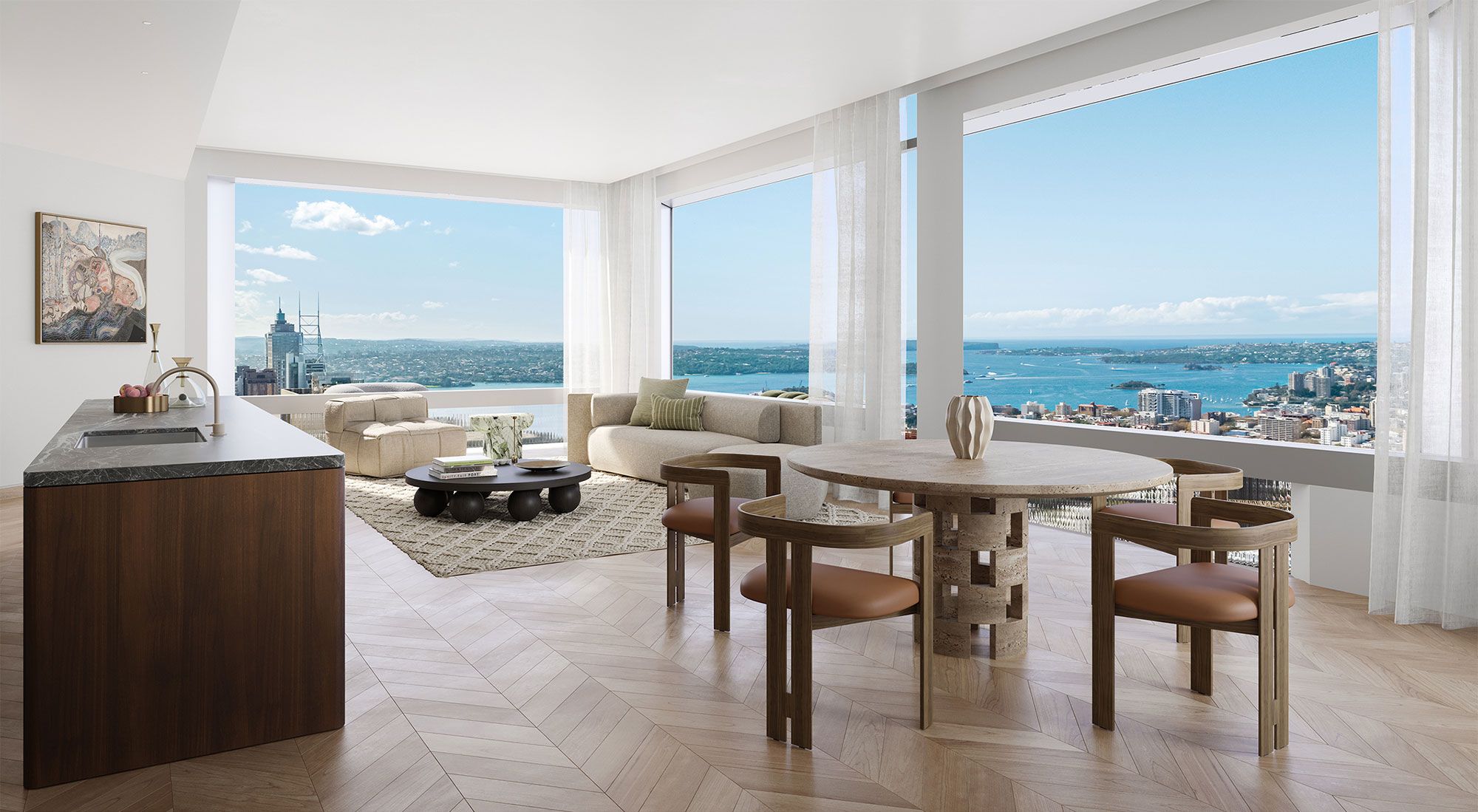 Investment Metrics:
- Completion: Under construction (started October 2025)
- Pricing: One-bedroom from $1,500,000; two-bedroom from $2,200,000; three-bedroom from $5,000,000
- Target demographic: High-income professionals, executives, international investors
- Risk profile: Moderate-to-high. Multiple growth drivers, but a higher price point and longer timeline
The Investment Case: Hyde Metropolitan targets investors seeking capital growth from infrastructure convergence. The CBD's Metro expansion will dramatically improve connectivity to Parramatta (Western Sydney's emerging CBD) and reduce travel times across the harbour. Combined with Tech Central's development, this creates a rare confluence of infrastructure-led demand drivers. Expect lower initial yields (3.5-4.5%) but higher capital growth potential (7-10% annually) as multiple projects mature.
The Strategic Imperative: Infrastructure as Value Driver
Sydney's Metro expansion represents more than transportation improvement—it's a structural economic transformation. For property investors, understanding where each corridor sits in its infrastructure lifecycle is fundamental to optimising risk-adjusted returns.
The data is unequivocal: Metro proximity delivers measurable, sustained value premiums. But the optimal investment strategy depends on risk tolerance, capital availability, and investment horizon.
Conservative, yield-focused investors should prioritise established Metro corridors like Epping, where operational connectivity ensures consistent tenant demand and proven premiums provide downside protection during market corrections.
Growth-oriented investors with longer horizons should consider emerging Metro corridors and CBD locations benefiting from multiple infrastructure initiatives, accepting moderate construction risk for potential 7-10% annual capital appreciation.
The window for optimal positioning won't remain open indefinitely. As Metro West and Southwest projects advance toward completion, today's construction-phase uncertainty will transform into tomorrow's operational certainty—along with fully-priced-in premiums.
For investors ready to act, the question isn't whether Metro infrastructure creates value, but rather: which phase of the infrastructure lifecycle aligns with your risk profile, and which station-proximate asset positions you to capture the coming wave of connectivity-driven growth? Feel free to reach out if you’d like a guided look at the strongest options.