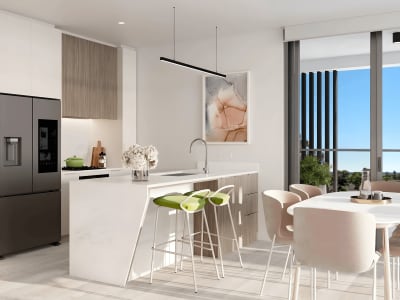
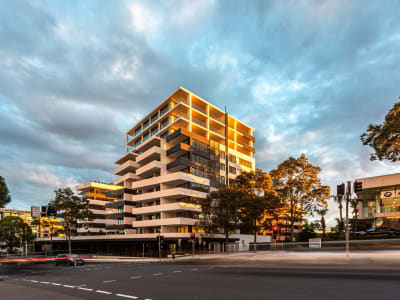
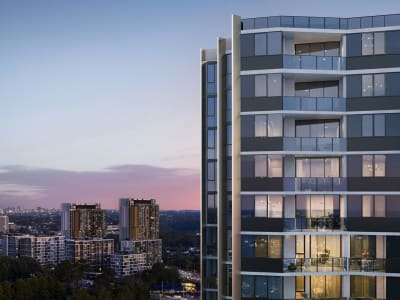
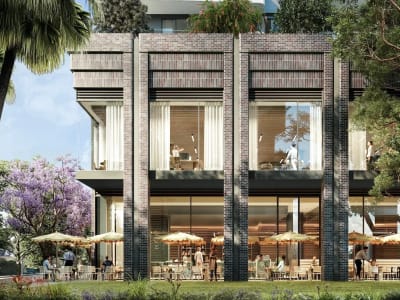
Macquarie Park will deliver Sydney's largest concentration of new apartments in 2026, with 650+ units across Macquarie Rise, Natura, and Midtown MacPark driving unprecedented supply. This Location Deep Dive reveals why this tech hub mega-district offers first-home buyers and investors the ultimate convergence of affordability, infrastructure, and employment proximity at the optimal moment in the market cycle.
Macquarie Park is no longer Sydney's best-kept investment secret—it's become the city's most significant apartment supply center for 2026. With over 650 units across three major developments—Macquarie Rise, Natura, and Midtown MacPark—this tech hub mega-district is delivering unprecedented choice for first-home buyers and investors at precisely the moment infrastructure, employment, and affordability align.
Once dismissed as a car-dependent business park, Macquarie Park has evolved into a self-contained, metro-connected urban ecosystem where 40,000+ professional jobs, world-class shopping, major universities, and premium healthcare facilities converge. The 2026 supply wave represents the district's residential coming-of-age—transforming a commuter hub into a 24/7 live-work community.
The 650+ Unit Supply Wave: Three Developments Defining 2026
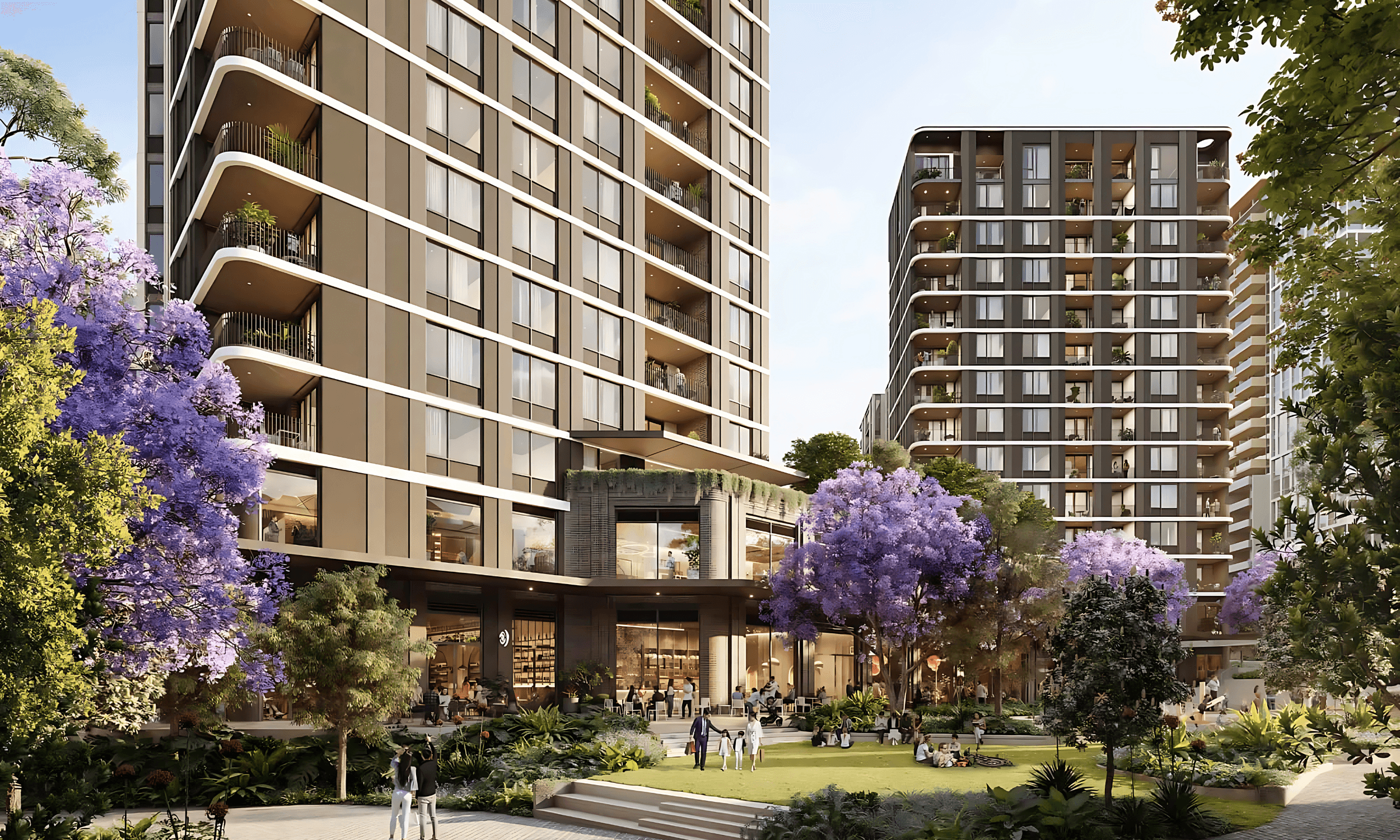
Macquarie Rise: Vertical Community Living
Macquarie Rise stands as the anchor project, delivering 280 residences across two towers with completion scheduled for Q4 2026. Developed by Toga and designed by architects, this development represents the district's most ambitious residential offering to date.
Key Specifications:
- Configuration: 1, 2 & 3-bedroom apartments
- Price range: $685,000-$1,580,000
- Target: Mixed investor and owner-occupier community
- Unique feature: Dual towers with expansive podium gardens and shared amenities
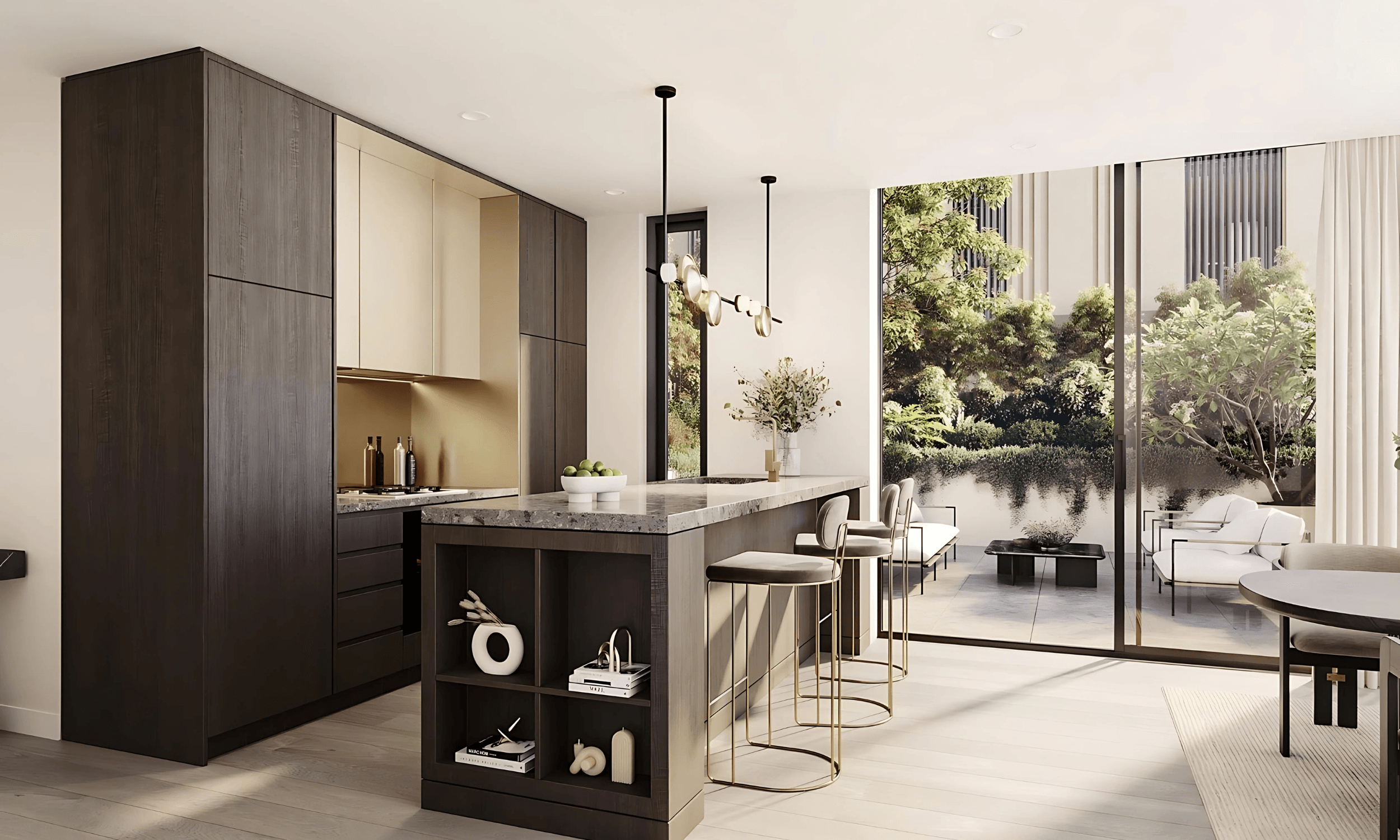 The scale of Macquarie Rise creates a critical mass of residents that will drive demand for local cafes, services, and retail—accelerating the district's evolution from business park to complete community. For first-home buyers, the 1-bedroom apartments starting from $685,000 sit just above the $650,000 first-home buyer assistance threshold, making them eligible for stamp duty exemptions and grants.
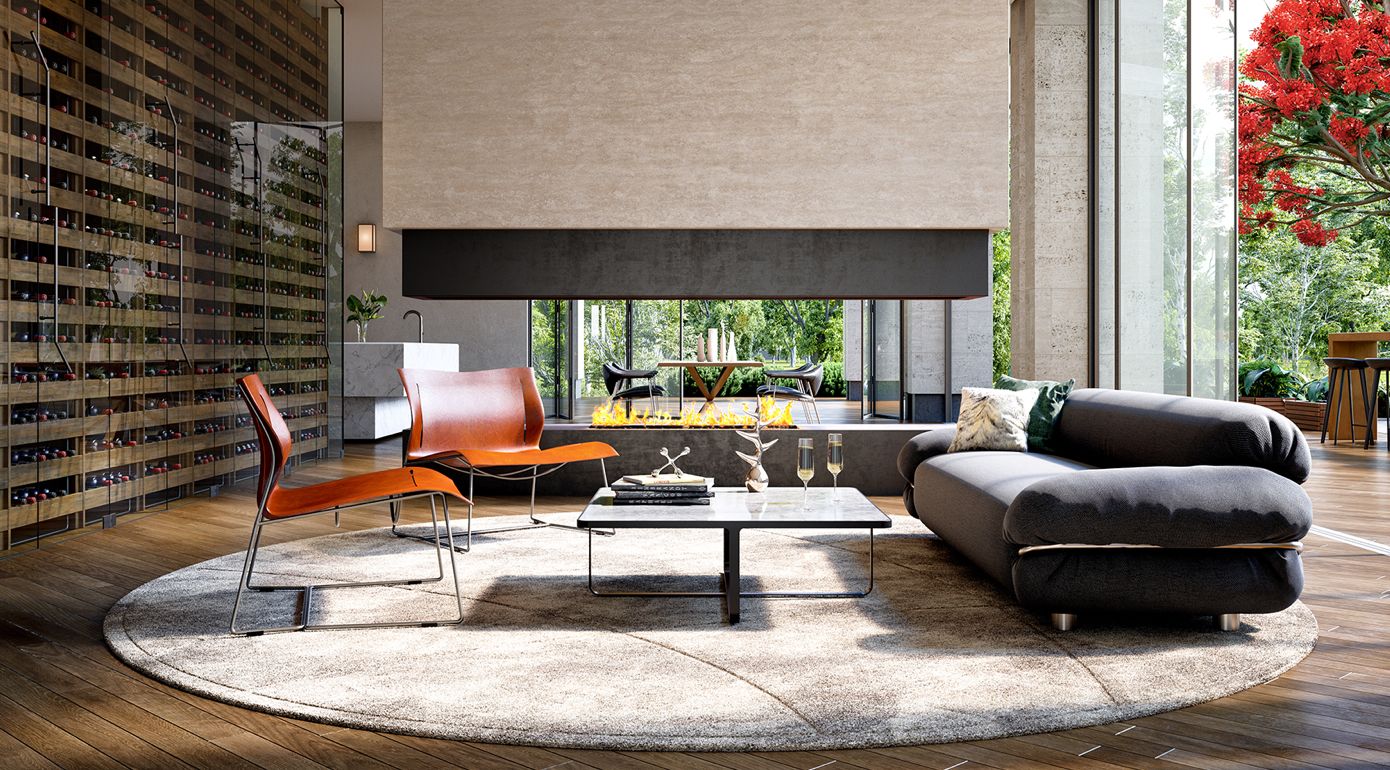
Natura: Biophilic Design Meets Metro Proximity
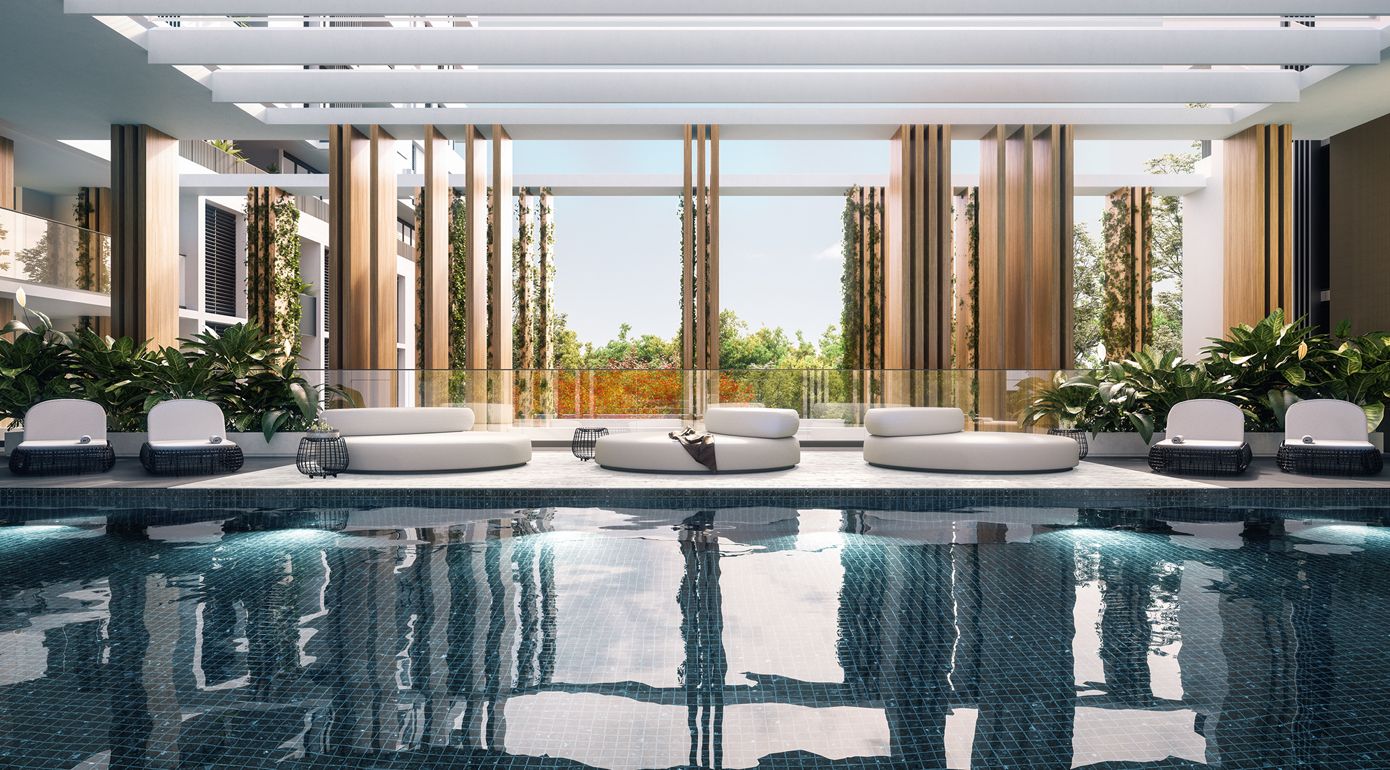
Natura introduces 195 apartments with a distinct wellness and biophilic design focus, scheduled for Q2 2026 completion. Developed by Deicorp and designed to prioritize natural light, green walls, and sustainable living, Natura appeals to the health-conscious professionals who dominate Macquarie Park's workforce.
Key Specifications:
- Configuration: 1 & 2-bedroom apartments
- Price range: $695,000-$1,240,000
- Target: Health-conscious professionals, ESG-focused investors
- Unique feature: Integrated green infrastructure, wellness amenities, 7-star NatHERS ratings
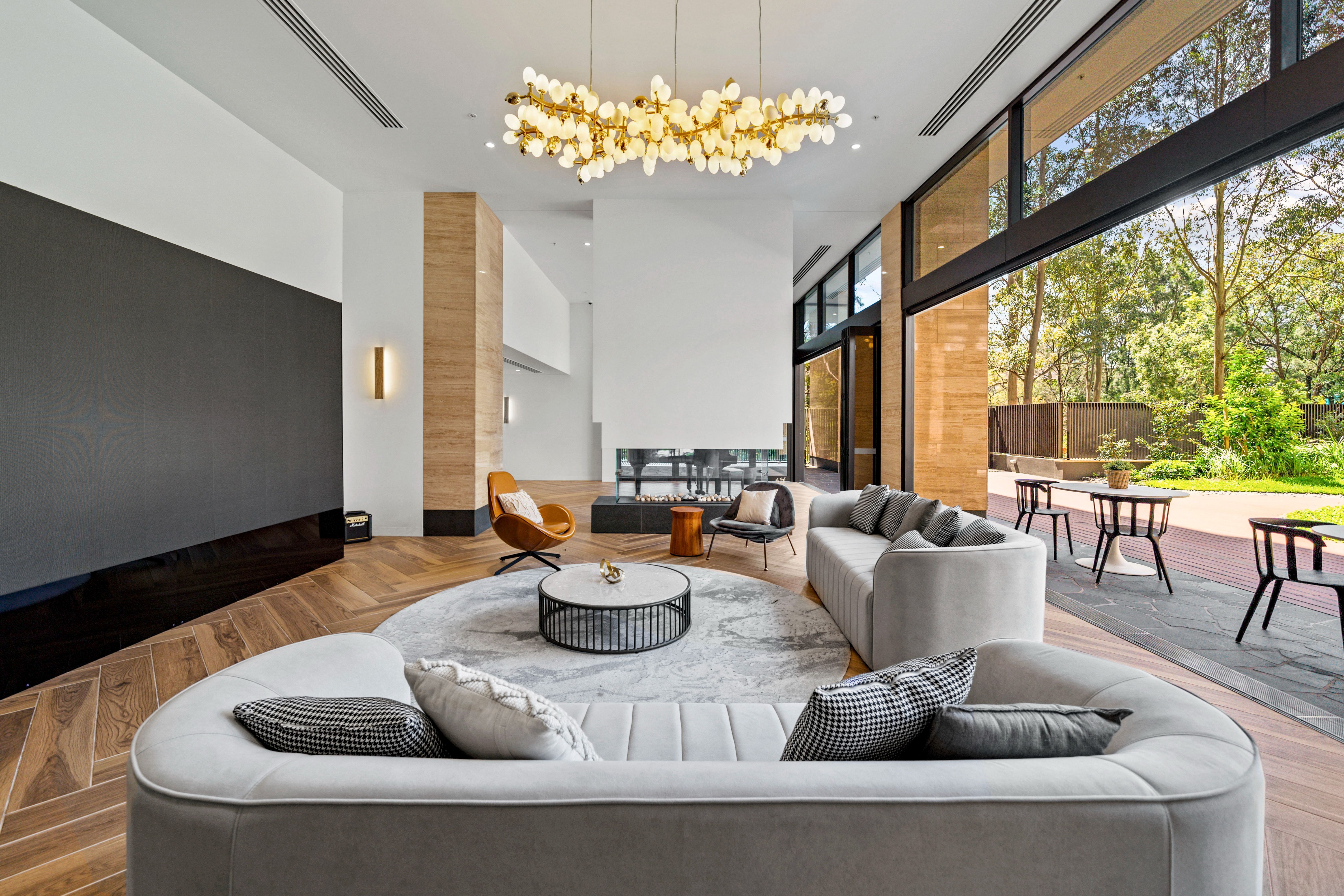 Natura's positioning—just 400 metres from Macquarie Park metro station—makes it the most metro-accessible of the three developments, a critical advantage for tenants working across Sydney's metro network. For investors, the biophilic design theme creates a differentiation point that commands rental premiums of 5-8% above standard stock.
Midtown MacPark: Urban Village Concept
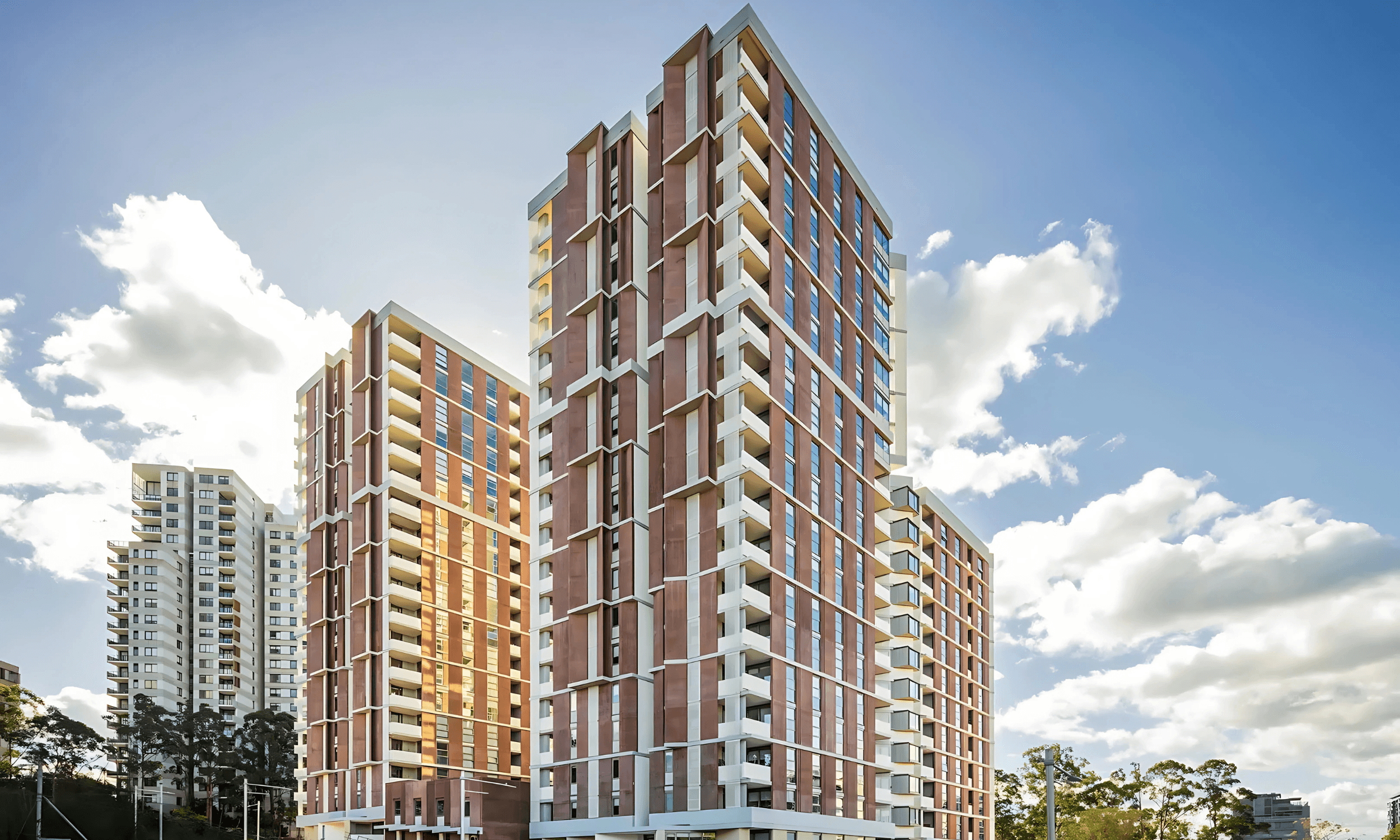
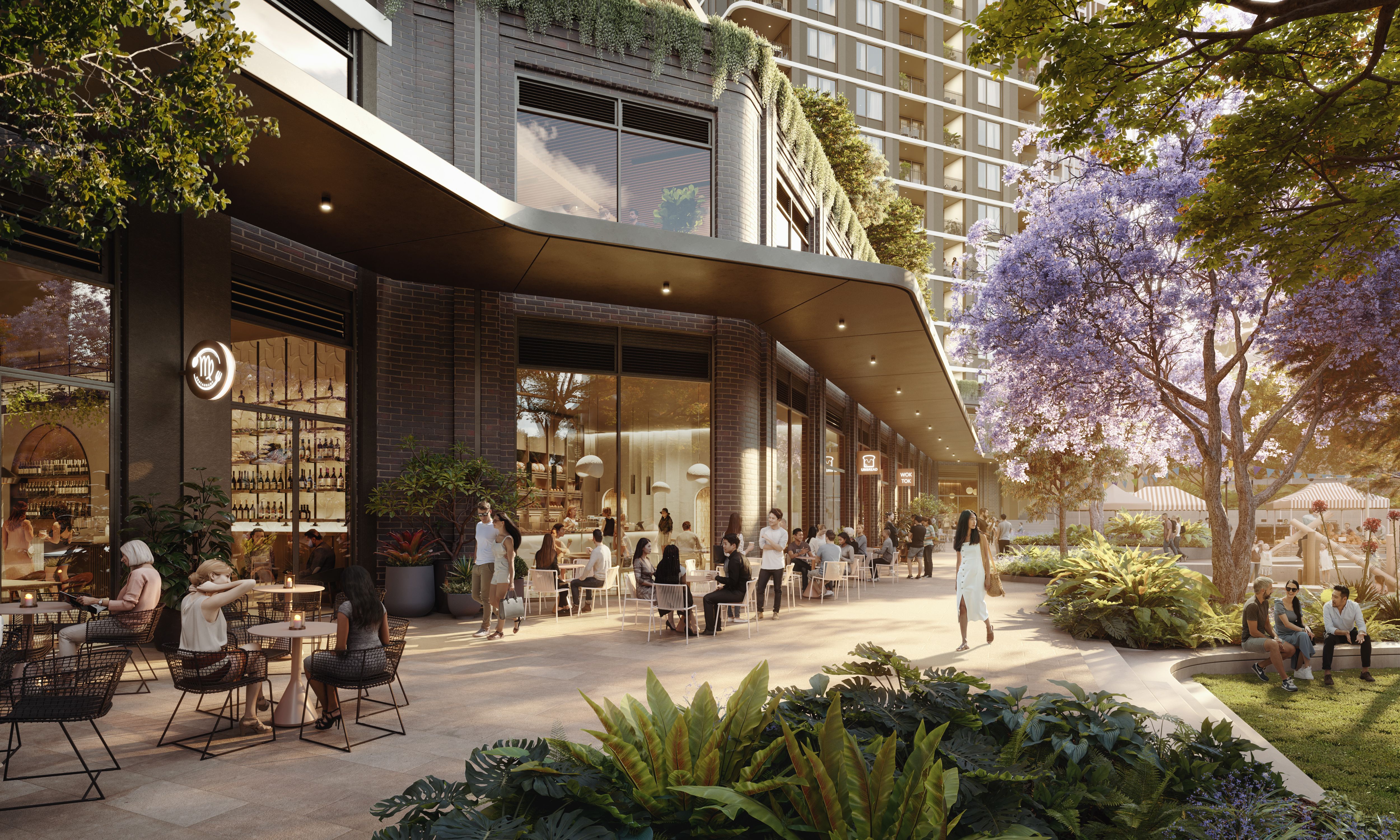
Midtown MacPark completes the supply trifecta with 180 apartments in a lower-rise, village-style configuration, delivering in Q3 2026. Developed by Trident and designed around a central courtyard and activated laneways, this project targets buyers seeking community over vertical living.
Key Specifications:
- Configuration: 1, 2 & 3-bedroom apartments
- Price range: $665,000-$1,450,000
- Target: First-home buyers seeking community, families needing space
- Unique feature: Courtyard-centric design, ground-level retail activation, family amenities
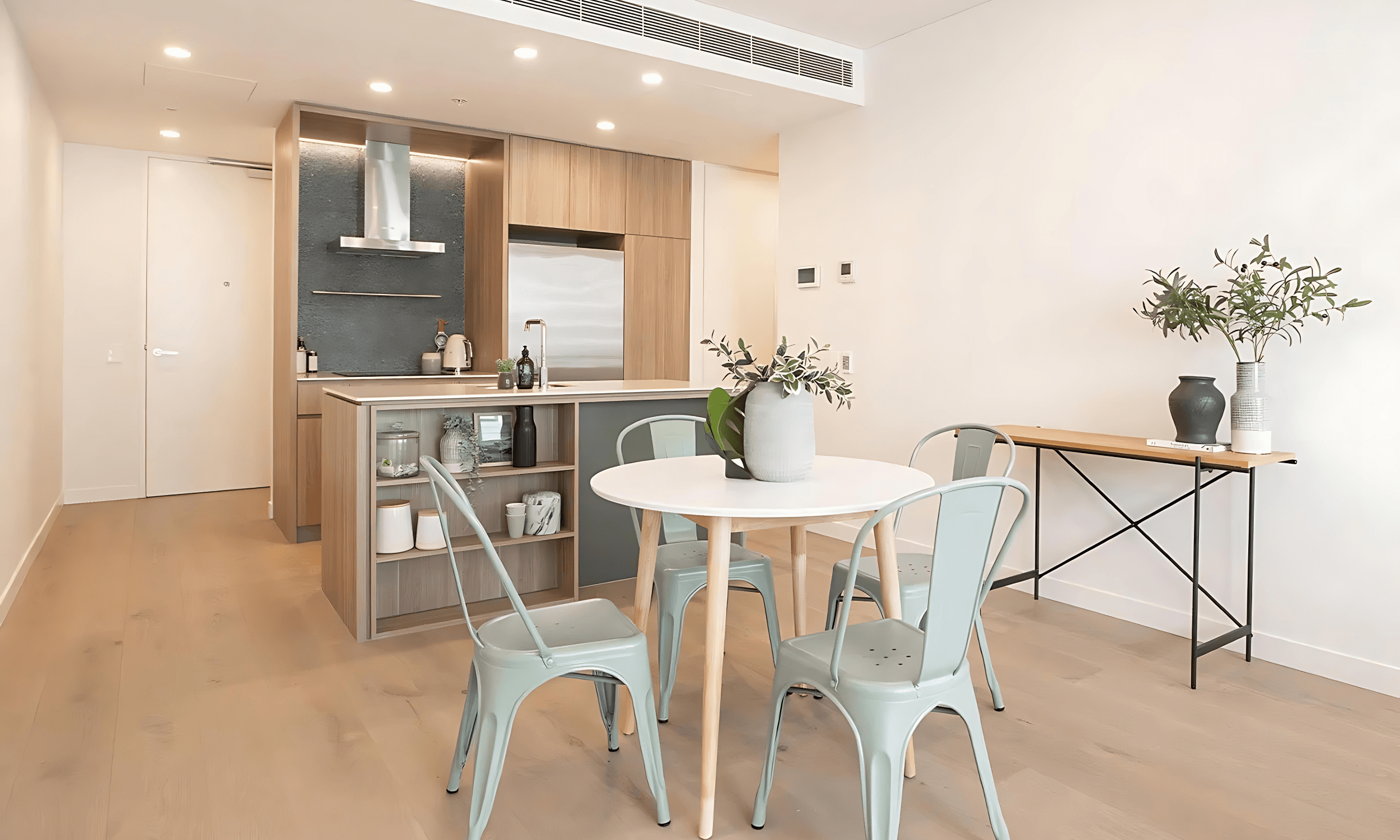 Midtown MacPark's ground-floor commercial tenancies—already pre-leased to a premium grocer and café operator—will create immediate amenity for residents and establish a neighborhood focal point. This "instant community" factor reduces leasing risk for investors while providing owner-occupiers with the convenience of doorstep services.
Employment Proximity: The 40,000-Job Magnet
Tech & Corporate Headquarters
Macquarie Park's employment base is its foundational value proposition. The district hosts regional Australian headquarters for Microsoft, Oracle, Hewlett-Packard, Canon, and Optus, alongside major financial institutions like AMP and insurance giants AIA and Allianz. This concentration of 40,000+ professional jobs creates a tenant pool with average household incomes exceeding $180,000—among Sydney's highest.
For first-home buyers working in these companies, Macquarie Park offers a 5-15 minute commute (walk, cycle, or short bus) that eliminates the daily transport burden while providing housing at 30-40% discounts to comparable jobs-adjacent suburbs like North Sydney or St Leonards.
Healthcare & Education Anchors
Macquarie University Hospital and the university's main campus employ over 5,000 people, providing stable, high-income employment that isn't subject to corporate relocation risk. The university's expansion plans through 2030 will add a further 2,000 academic and support positions, ensuring employment growth continues.
Northern Sydney Institute of TAFE and multiple private schools create additional employment clusters that support rental demand from educators and support staff seeking quality housing near their workplaces.
Infrastructure Investment: The $5+ Billion Revolution
Sydney Metro Northwest: The Game Changer
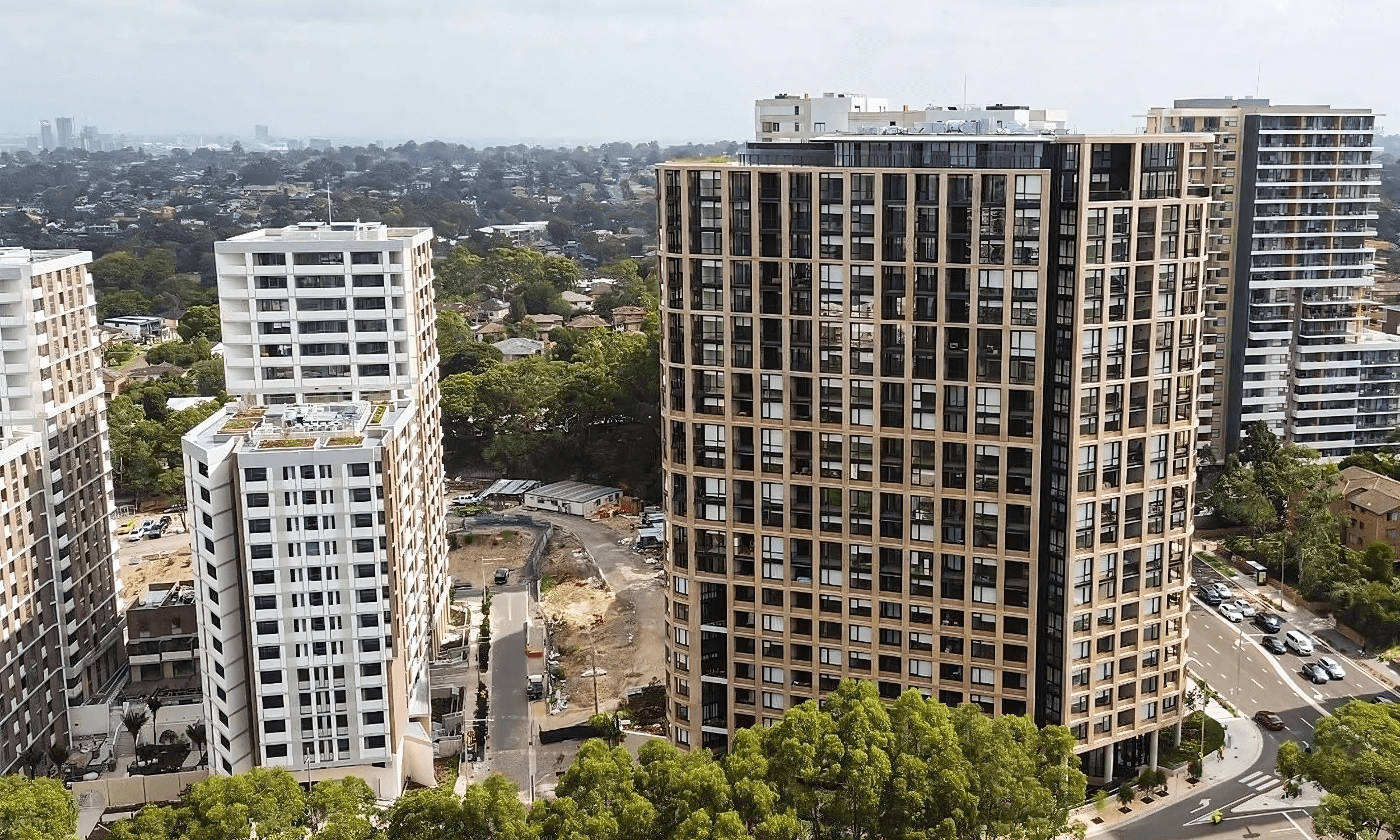
The Sydney Metro Northwest line—opened in 2019 but reaching full utilization and surrounding development maturity in 2026—has fundamentally redefined Macquarie Park's accessibility. The 26-minute journey to the CBD and 16-minute connection to Chatswood creates a connectivity premium that typically drives 15-20% price appreciation within 3-4 years of activation.
Macquarie Park Metro Station sits at the district's heart, with all three featured developments within 400-600 metres—genuine walkability that tenants and owner-occupiers increasingly demand. The metro's every-4-minute frequency during peak makes car ownership optional, a crucial lifestyle shift for first-home buyers.
Road & Active Transport Upgrades
M2 Motorway upgrades ($500 million, completed 2025) have reduced peak-hour congestion by 15%, making Macquarie Park more accessible from the Inner West and Western Sydney. For investors, this expands the accessible tenant pool from a 30-minute drive radius.
New cycle infrastructure includes 12 kilometres of protected cycleways connecting Macquarie Park to Ryde, Lane Cove, and the Parramatta River cycle network. This active transport investment appeals to the health-conscious professionals who dominate the employment base, creating a rental premium for cycle-friendly buildings.
Amenity & Lifestyle Infrastructure
Macquarie Centre—currently undergoing a $400 million expansion—will deliver Australia's largest retail footprint by 2027, including designer retail, premium dining, and entertainment options that eliminate the need for residents to leave the district for lifestyle needs.
Macquarie Park Innovation District masterplan will create Australia's largest dedicated innovation precinct, adding 15,000 additional knowledge-economy jobs and $7 billion in economic activity by 2030, directly benefiting property values through enhanced desirability and rental demand.
Developer Competition: Quality Through Rivalry
Who's Building What
The concentration of 650+ units across three major developers has created an unspoken competition for excellence. Toga (Macquarie Rise), Deicorp (Natura), and Trident (Midtown MacPark) are each determined to establish Macquarie Park credentials, resulting in above-standard specifications and amenity offerings.
This competition benefits buyers through:
- Enhanced specifications: Higher-grade appliances, better finishes, superior design
- Amenity arms race: Each development aims to outdo competitors with pools, gyms, and rooftop terraces
- Pricing discipline: Developers monitor each other's pricing, preventing excessive premiums
- Marketing investment: More resources dedicated to attracting buyers to the district
Design Excellence as Differentiator
Rather than competing solely on price, developers are competing on design innovation. Macquarie Rise offers double-height ceilings and expansive terraces. Natura provides integrated green walls and biophilic design. Midtown MacPark delivers activated laneways and community courtyards. This quality competition ensures the district's reputation grows, supporting capital appreciation for early buyers.
First-Home Buyer Deep Dive
Affordability vs. Established Suburbs
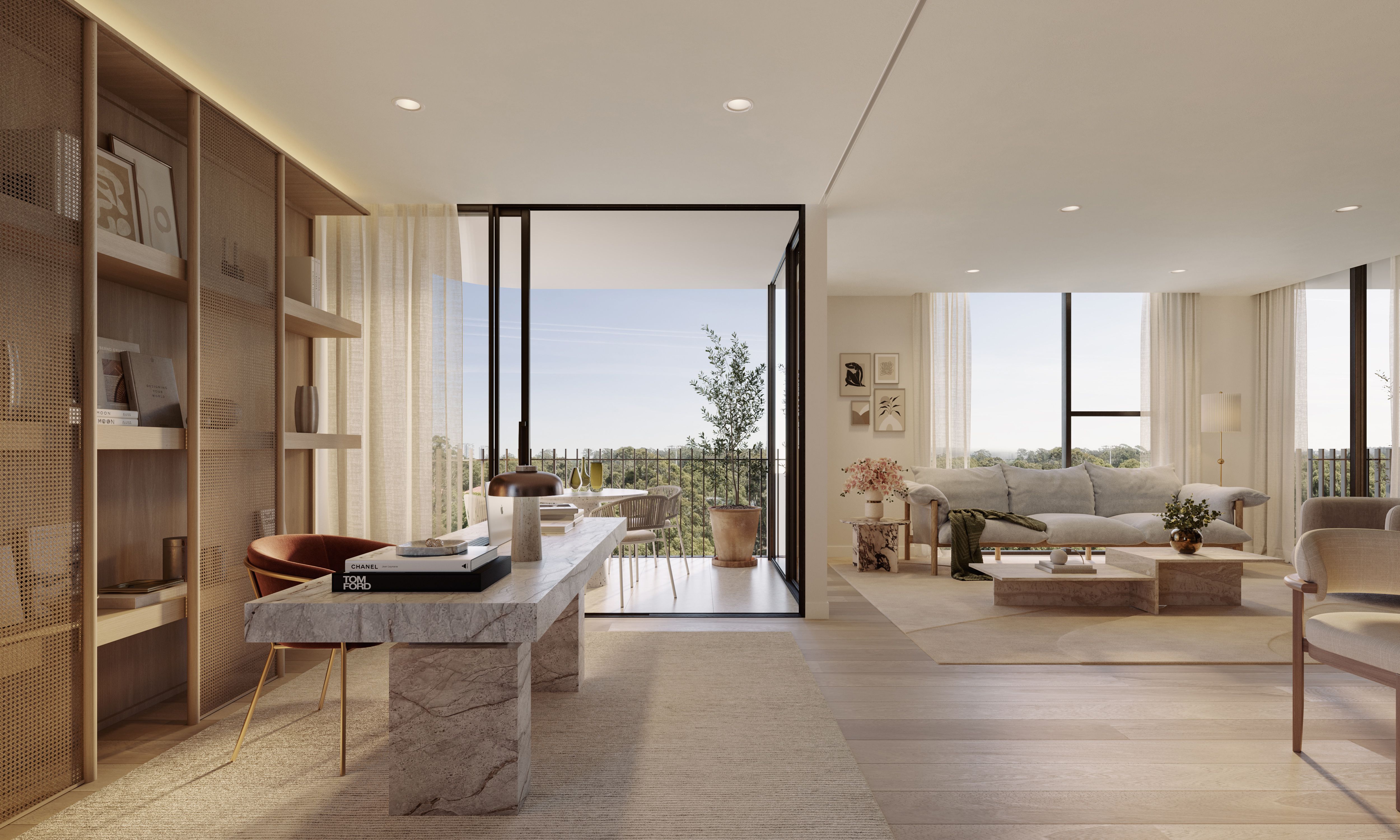
For first-home buyers, Macquarie Park's 2026 supply wave creates a rare affordability advantage. While neighboring suburbs have median prices of:
- North Ryde: $1,180,000
- Epping: $1,050,000
- Chatswood: $1,420,000
Macquarie Park's $945,000 median represents a 10-35% discount despite superior metro connectivity in many cases. The new supply adds competitive pressure that keeps prices in check during 2026, creating a window before market recognition drives parity pricing.
Government Incentives & Schemes
The 2026 first-home buyer landscape includes:
- First Home Buyer Assistance Scheme: Stamp duty exemption for purchases up to $650,000; concessional rates up to $1,000,000
- First Home Loan Guarantee: 5% deposit loans without LMI for eligible buyers
- Regional First Home Buyer Guarantee: Macquarie Park qualifies as a "regional" metro area for enhanced support
- Shared Equity Scheme: Government co-purchases up to 40% for eligible buyers, reducing the mortgage burden
These schemes, combined with developer incentives (common in large-scale releases), can reduce initial purchase costs by $50,000-$80,000, making Macquarie Park genuinely accessible for first-home buyers with household incomes of $120,000-$150,000.
Investor Analysis: Rental Demand & Yields
Tenant Demand Fundamentals
Macquarie Park's rental market is underpinned by:
- 40,000+ local jobs creating work tenant demand
- Macquarie University enrolls 45,000 students (10,000+ seeking off-campus housing)
- Metro connectivity is expanding the tenant pool to CBD workers seeking value
- Healthcare expansion at Macquarie University Hospital is creating shift-worker rental demand
Vacancy rates consistently sit at 1.2-1.8%, well below Sydney's average of 2.5%, ensuring minimal rental downtime.
Yield Projections & Cash Flow
2026 gross rental yields for new apartments:
- 1-bedroom: $580-650/week = 4.3-4.8% gross yield
- 2-bedroom: $720-850/week = 4.1-4.6% gross yield
- 3-bedroom: $950-1,200/week = 3.8-4.2% gross yield
Net yields after body corporate, rates, and management average 3.1-3.5%—strong for Sydney metro and supported by high tenant quality, reducing default risk.
Capital Growth Drivers
2026-2029 capital growth will be driven by:
- Affordability gap closure: 15-18% appreciation as Macquarie Park reaches price parity with neighboring suburbs
- Innovation District activation: 15,000 new jobs announced in 2026, driving demand
- Metro network expansion: Western Sydney Airport metro connection (planned) will enhance the connectivity premium
- Supply constraints post-2027: Limited development sites mean current 650+ units represent a peak before supply tightens
Historical precedents (Parramatta post-metro, Chatswood post-rail) suggest 20-25% growth over 3 years is conservative.
The 2026 Timing Advantage: Why This Year Matters
Market Cycle Positioning
2026 sits at the optimal intersection of:
- Interest rates have peaked and are beginning to decline (RBA forecast)
- Supply concentration creates competitive developer pricing
- Infrastructure maturity delivering fully-realized amenity benefits
- Employment growth from Innovation District announcements
- Market recognition is beginning, but not yet mainstream
Buyers entering in 2026 capture the "infrastructure completion premium"—the 12-18 month window after infrastructure delivers but before prices fully reflect improved connectivity and amenity.
The 2027-2028 Outlook
From 2027, several factors will diminish the 2026 opportunity:
- Supply tapering: Development sites will be absorbed, reducing competitive pressure
- Price appreciation: Substantial 2026-2027 growth will make entry points significantly higher
- Mainstream recognition: Media coverage and word-of-mouth will drive demand
- Interest rate cycle: As rates decline further, competition will increase
First-home buyers with approved finance should act in Q2-Q3 2026 to maximize selection and negotiating power. Investors should position before Innovation District job announcements in late 2026 to drive institutional capital into the district.
Risk Analysis: What Could Derail the Macquarie Park Story?
Downside Scenarios
Commercial real estate downturn: If tech companies downsize office footprints, local employment could stagnate. However, the diversity of employers (healthcare, education, finance) provides defensive characteristics.
Metro reliability issues: Any extended metro disruptions could impact tenant demand. The network's strong performance record since 2019 mitigates this risk.
Over-supply concerns: 650+ units is substantial, but spread across 12-18 months and absorbed by 40,000+ jobs and university demand, the market can comfortably absorb this supply.
Mitigating Factors
- Employment diversity reduces sector-specific risk
- Infrastructure lock-in (metro, motorways) provides a permanent connectivity premium
- Land constraints limit future supply after the current pipeline
- Strong population growth in Northern Sydney ensures sustained demand
Conclusion: The Macquarie Park Imperative
Macquarie Park's 2026 supply wave—650+ apartments across Macquarie Rise, Natura, and Midtown MacPark—represents more than just new housing stock. It signals the district's transformation from business park to integrated urban village, from commuter hub to self-contained community, from affordable alternative to premium destination in its own right.
For first-home buyers, this is the window to enter Sydney's property market with government support, competitive pricing, and metro connectivity that makes car ownership optional—not a compromise, but a lifestyle upgrade.
For investors, Macquarie Park offers the rare trifecta: strong rental yields (4.3-4.8% gross), solid capital growth prospects (20-25% over 3 years), and tenant quality that ensures cash flow reliability. The 2026 timing captures the infrastructure premium before it's fully priced into the market.
The developer competition that created this supply surge ensures quality and amenity exceed standard, while the 40,000-job employment hub provides a tenant base that is both sizable and affluent. Metro connectivity expands the rental pool to CBD workers seeking value, creating multiple demand drivers.
2026 is the year Macquarie Park matures from a hidden gem to an established hotspot. The question for buyers isn't whether to consider the district, but whether to act before the market's inevitable recognition closes the affordability window and transforms these 650+ units from abundant choice to scarce commodity. For those seeking early positioning, we invite you to reach out for private guidance.